browse by topics


What’s the best way to explore Los Angeles, a city whose freeway system was once described by architectural theorist Reyner Banham as a “coherent state of mind, a complete way of life”? “If you love driving, you’ll love it,” acknowledges David Alhadeff, founder of The Future Perfect, a leading contemporary design gallery, and a resident of the Californian city. For this issue of M Magazine, we invited Alhadeff and the celebrated Swiss ceramicist Carmen D’Apollonio, who is also based in LA, to offer us an inside guide to life on the Pacific coast. But, in a city defined by the automobile, what happens if you don’t own a car? “If you hate driving, this will feel harder,” Alhadeff adds, “but just lean back in your Uber and treat it like meditation.”
Los Angeles has always provoked strong, polarising opinions. In penning his 1971 paean to the urbanism of Los Angeles, Los Angeles: The Architecture of Four Ecologies, Banham acknowledged an issue of fit between his subject and the traditional written structures of architectural history.
“Simply to go from the oldest monument to the newest could well prove a short, boring and uninstructive journey,” Banham wrote, “because the point about this giant city, which has grown almost simultaneously all over, is that all its parts are equal and equally accessible from all other parts at once.”
To Banham, LA was thrilling because of its break from the prescriptions of much 20th-century urbanism: it was a city designed around automotive mobility, which shunned traditional notions of urban form and a dense core in favour of a decentralised, kinetic network of populist, stylistically frenetic hubs. “The unique value of Los Angeles – what excites, intrigues and sometimes repels me,” he recounted in a 1968 BBC radio lecture, “is that it offers radical alternatives to almost every urban concept in unquestioned currency.” To Banham, LA smashed the orthodoxies of urban planning, recasting “the city as scrambled egg”.
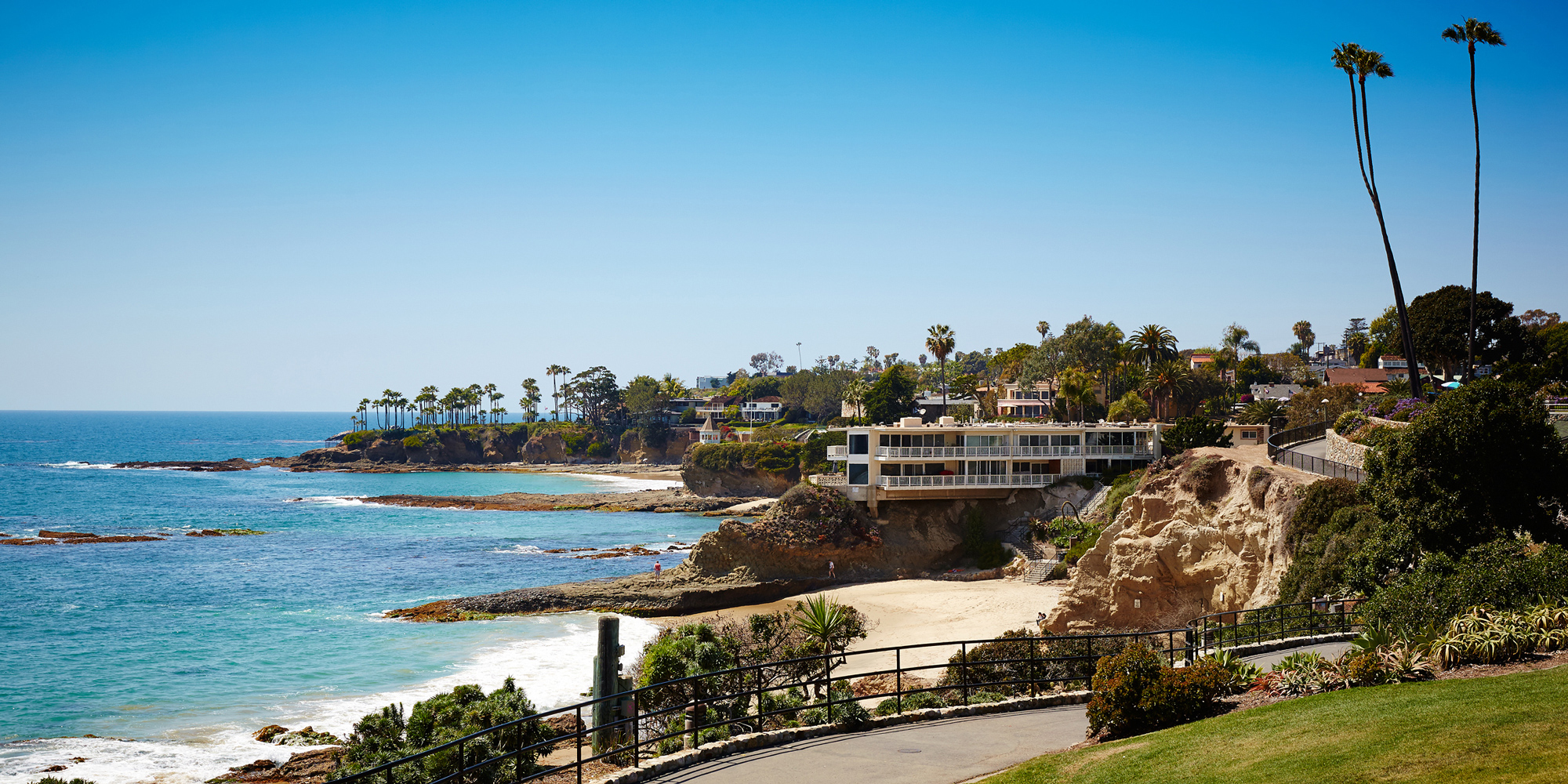
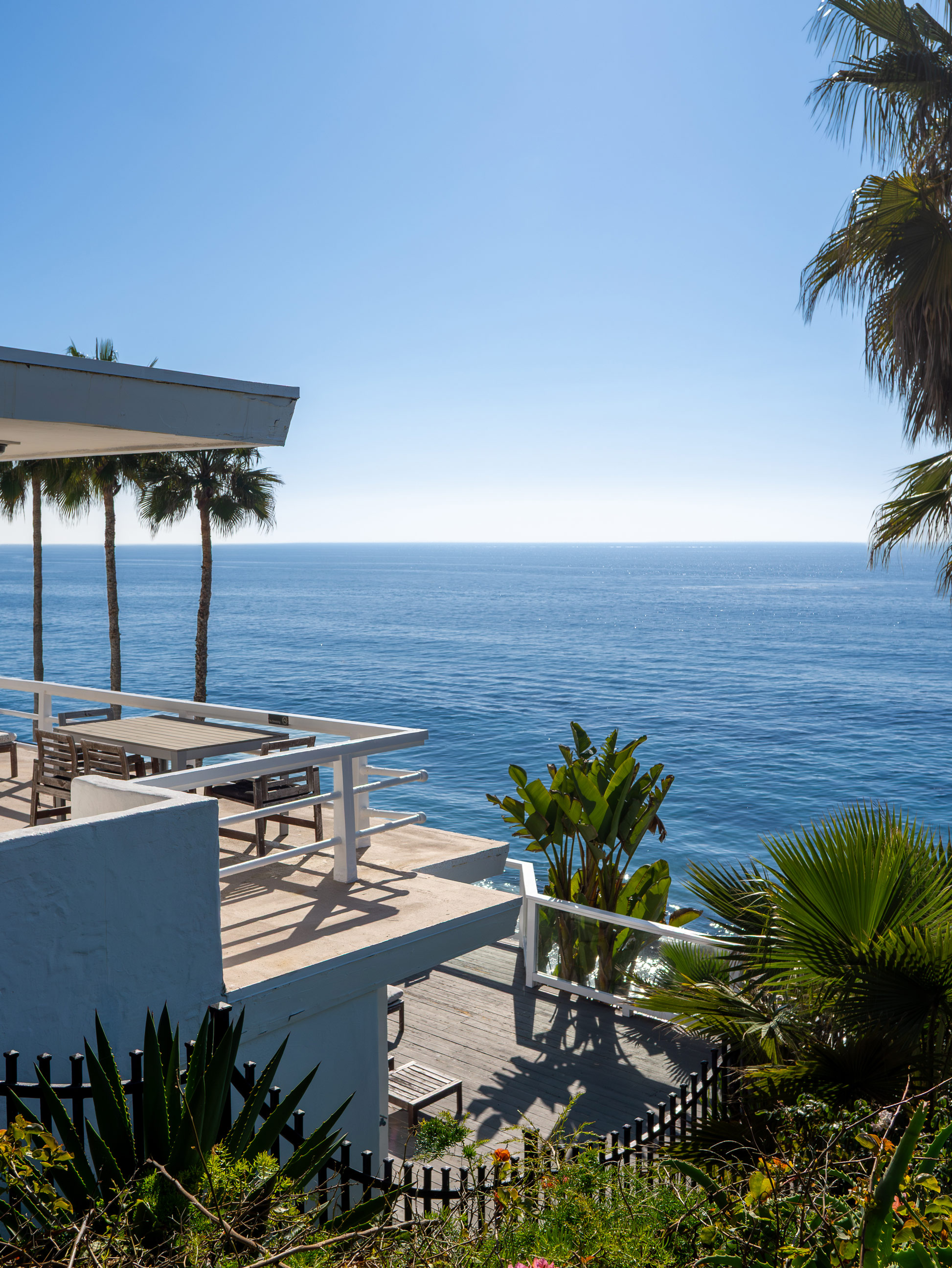 Laguna Beach, Los Angeles
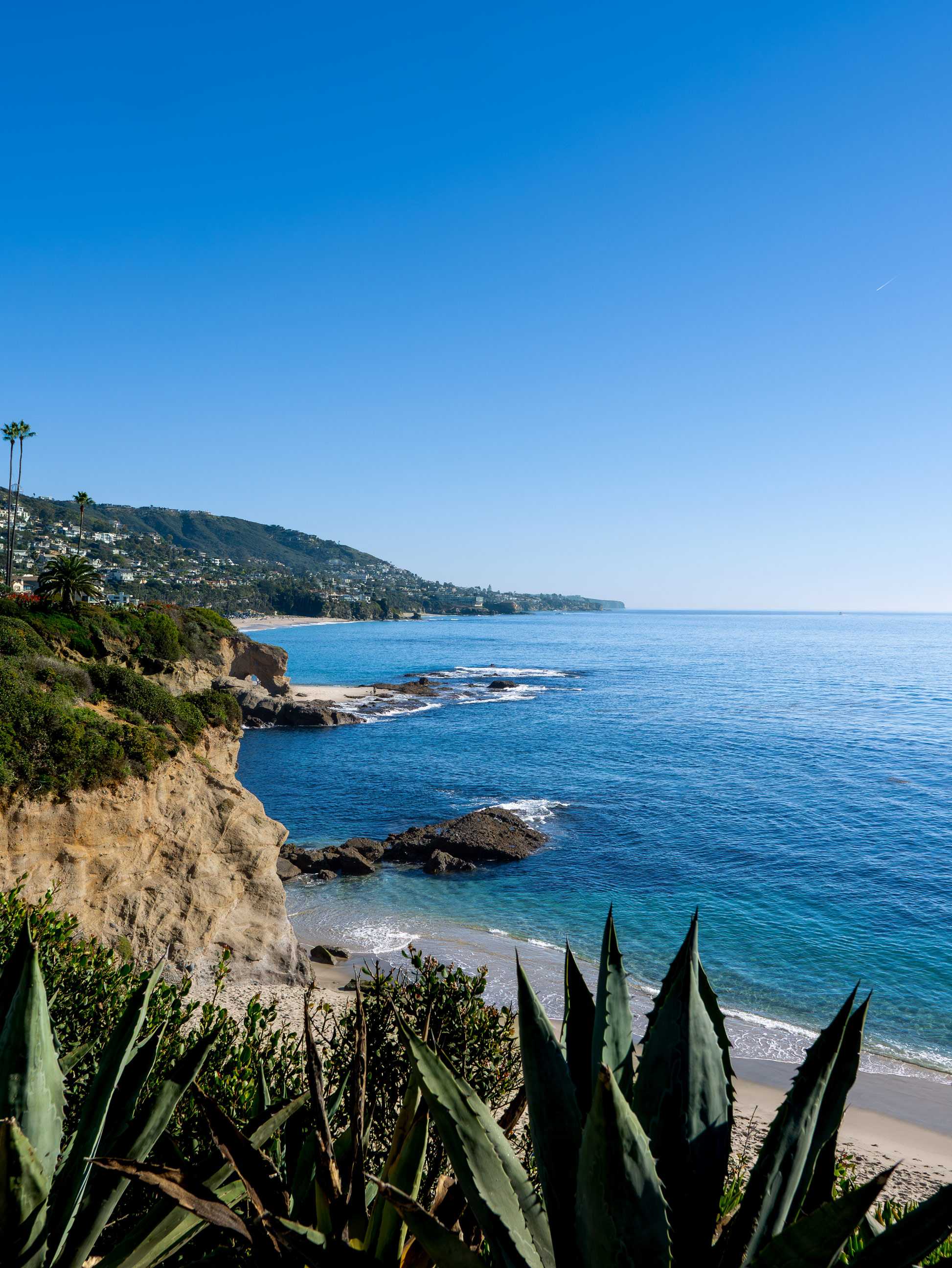 Laguna Beach, Los Angeles
Today, some elements of Banham’s assessment of Los Angeles no longer ring true. The city’s flatlands (“a great service area feeding and supplying the foothills and beaches”) have densified and become increasingly residential, for instance, while significant investment has gone into bolstering LA’s mass transit system, slowly complicating its relationship with mobility beyond a simple love affair with the car. Yet the sense of excitement and experimentalism that enraptured Banham remains present, with Los Angeles blending commerce, culture, art, cinema, and even nature in its copious beaches and foothills, to intoxicating effect. It is this complexity that drew Molteni&C to the city, with the brand’s flagship store in West Hollywood designed by Vincent Van Duysen to offer “a contemporary interpretation of an Italian Villa [in] LA” – a plurality of references and styles that is perfectly at home in a city that delights in contrast.
To guide the contemporary traveller through this urban melange, M Magazine has sought out the advice of two of the city’s leading creative residents: D’Apollonio, a Swiss ceramicist represented by the prestigious Friedman Benda gallery, and Alhadeff, whose gallery is based in The Goldwyn House at the base of the Hollywood Hills, a home designed in 1916 by architect Arthur S. Heineman. Together, they have peeled back the cover on a city that Banham professed to “[make] nonsense of history and breaks all the rules”, but which generated “a passion that goes beyond sense or reason”. In the answers that follow, D’Apollonio and Alhadeff share their own passion for a city unlike any other.
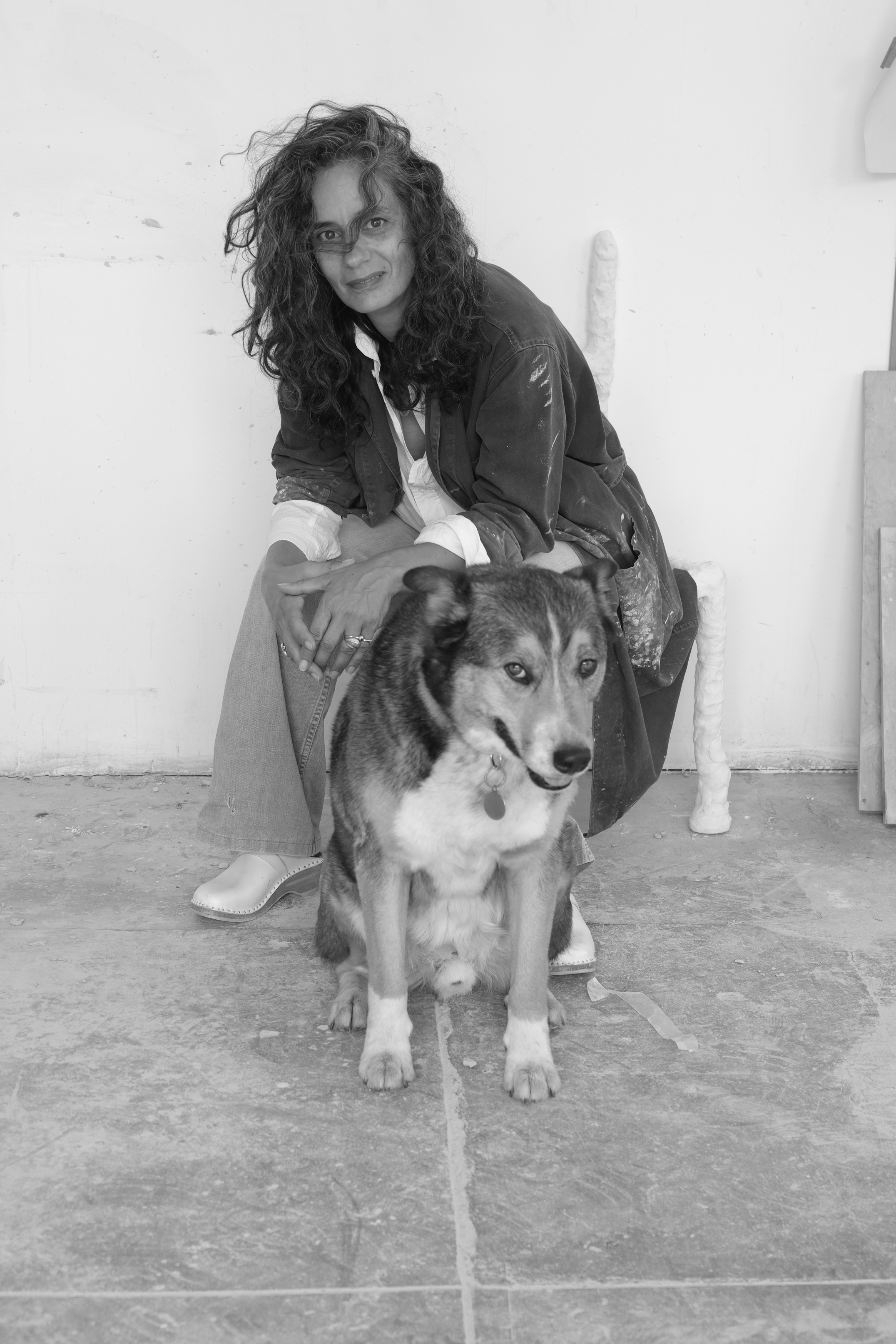 Carmen D'Apollonio, Ceramist and Artist. Image Credit: Stephanie Kunz
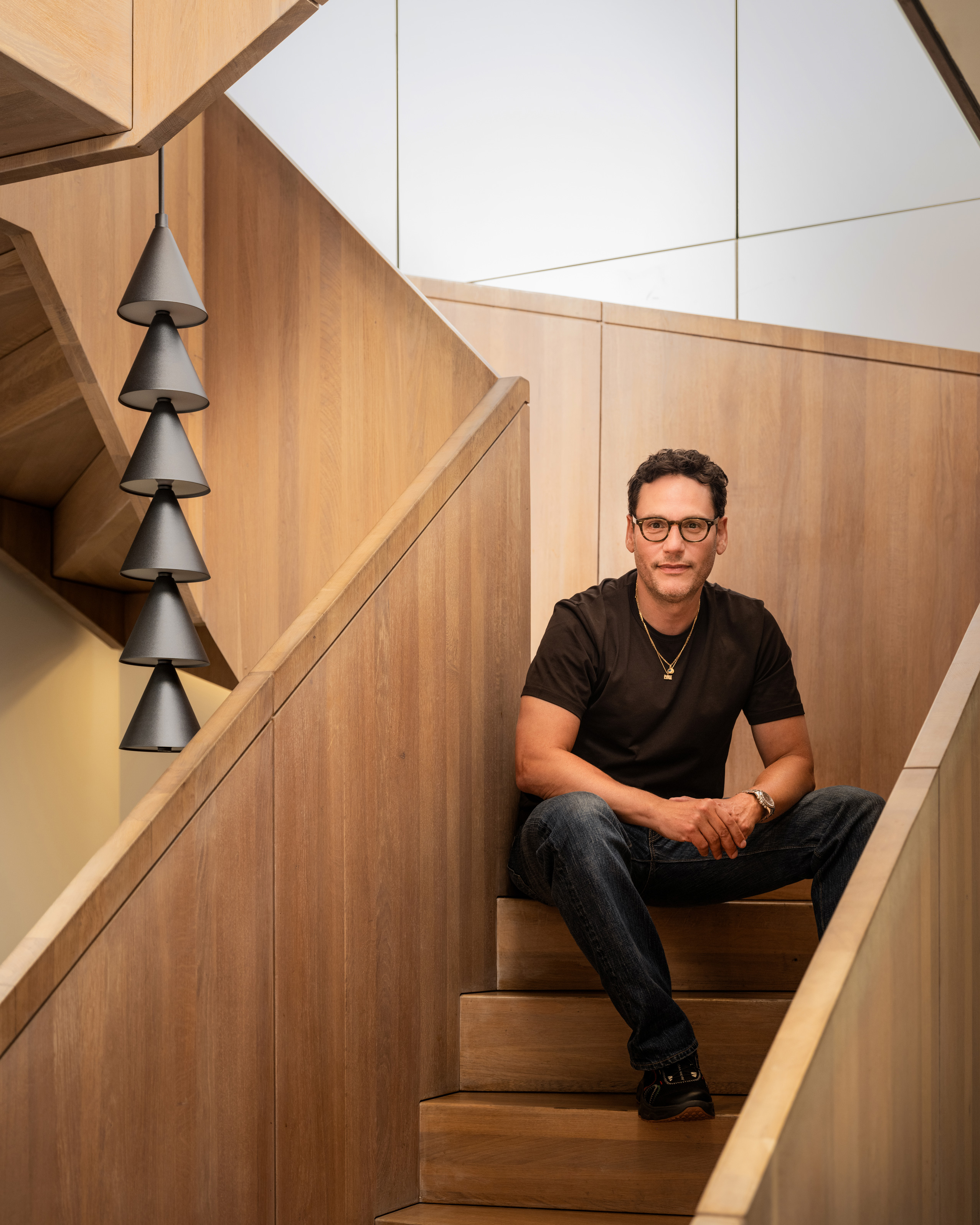 David Alhadeff, Founder of The Future Perfect. Image Credit: Joe Kramm
Where is the best place to stay in Los Angeles?
David Alhadeff The Chateau Marmont is the obvious answer and it’s probably one of the best places to stay. It’s a bit run down, which is part of the charm or an unexpected disappointment, depending on your expectations. But there’s no other hotel where you’re as likely to rub shoulders with LA’s A-list. I’d also consider The Proper in Santa Monica or Sunset Tower. If you’re seeking a more polished experience and have high expectations for your hotel stay, The Maybourne Beverly Hills offers a very walkable location and impeccable service, while Hotel Bel-Air is ideal if you want something quieter and more tucked away.
Carmen D’Apollonio Lincoln Heights – where my studio is.
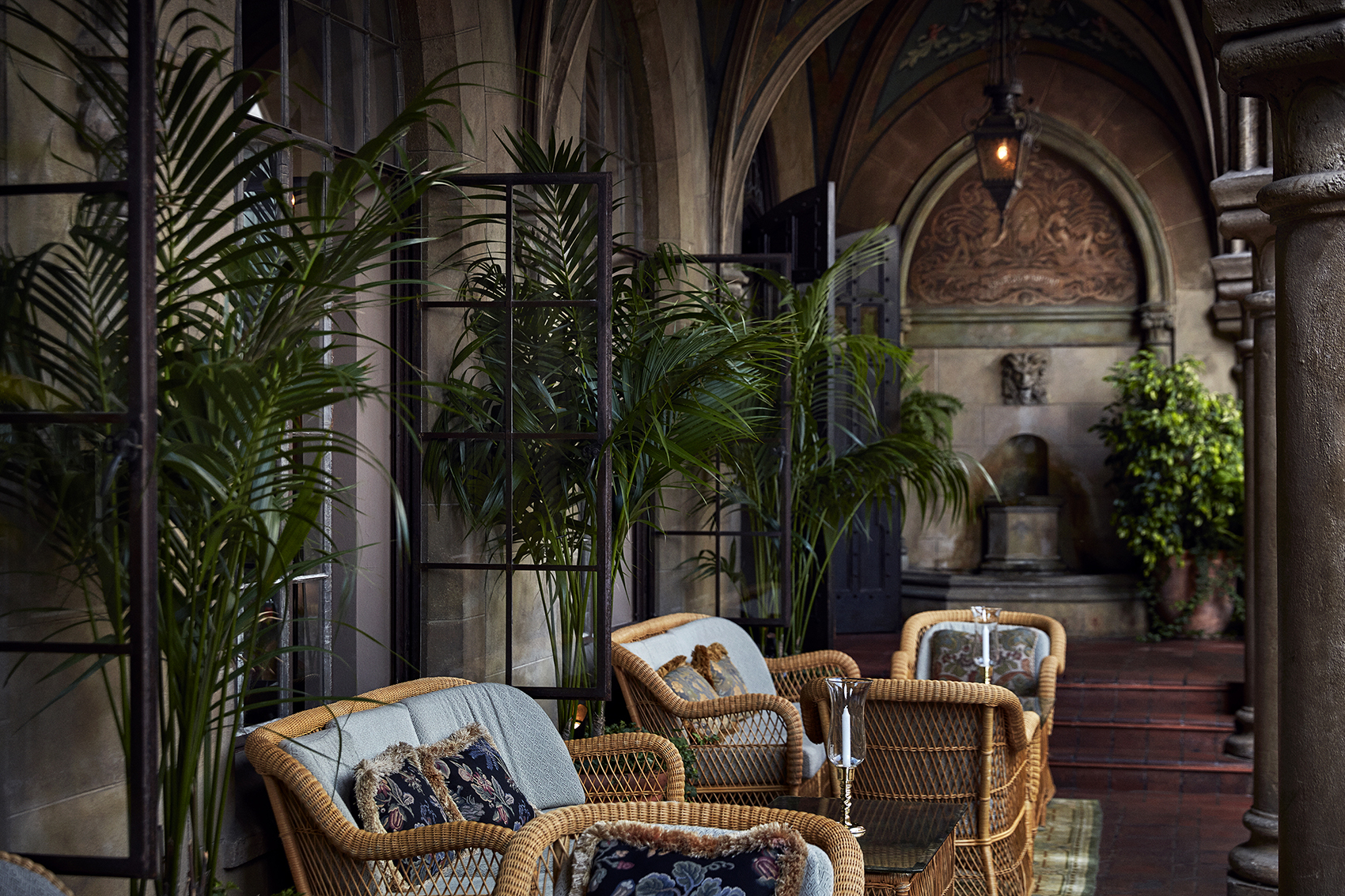 Chateau Marmont, Los Angeles. Image credit: JF Rothenberg Vlores
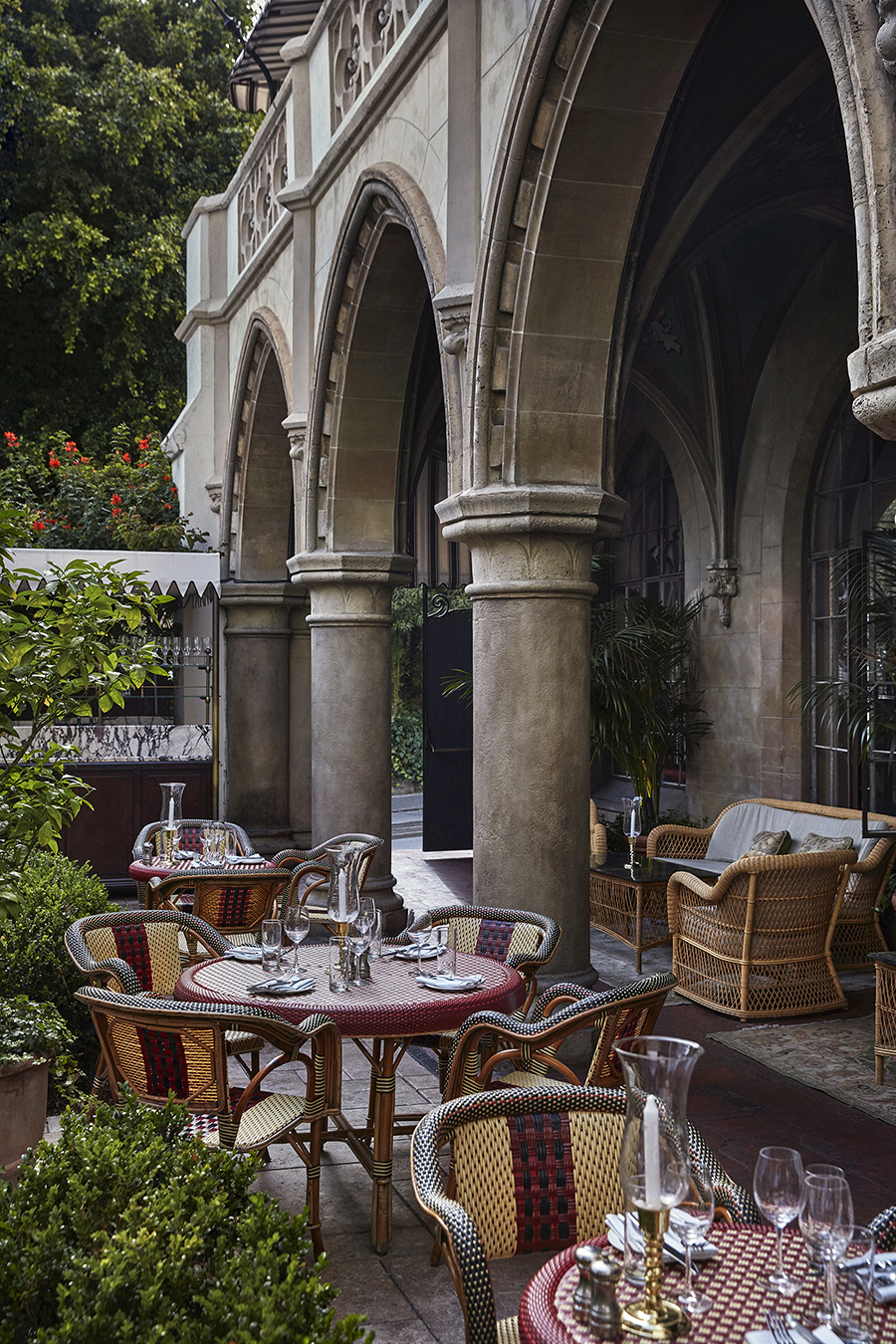 Chateau Marmont, Los Angeles. Image credit: JF Rothenberg Vlores
What is your favourite place to eat in the city?
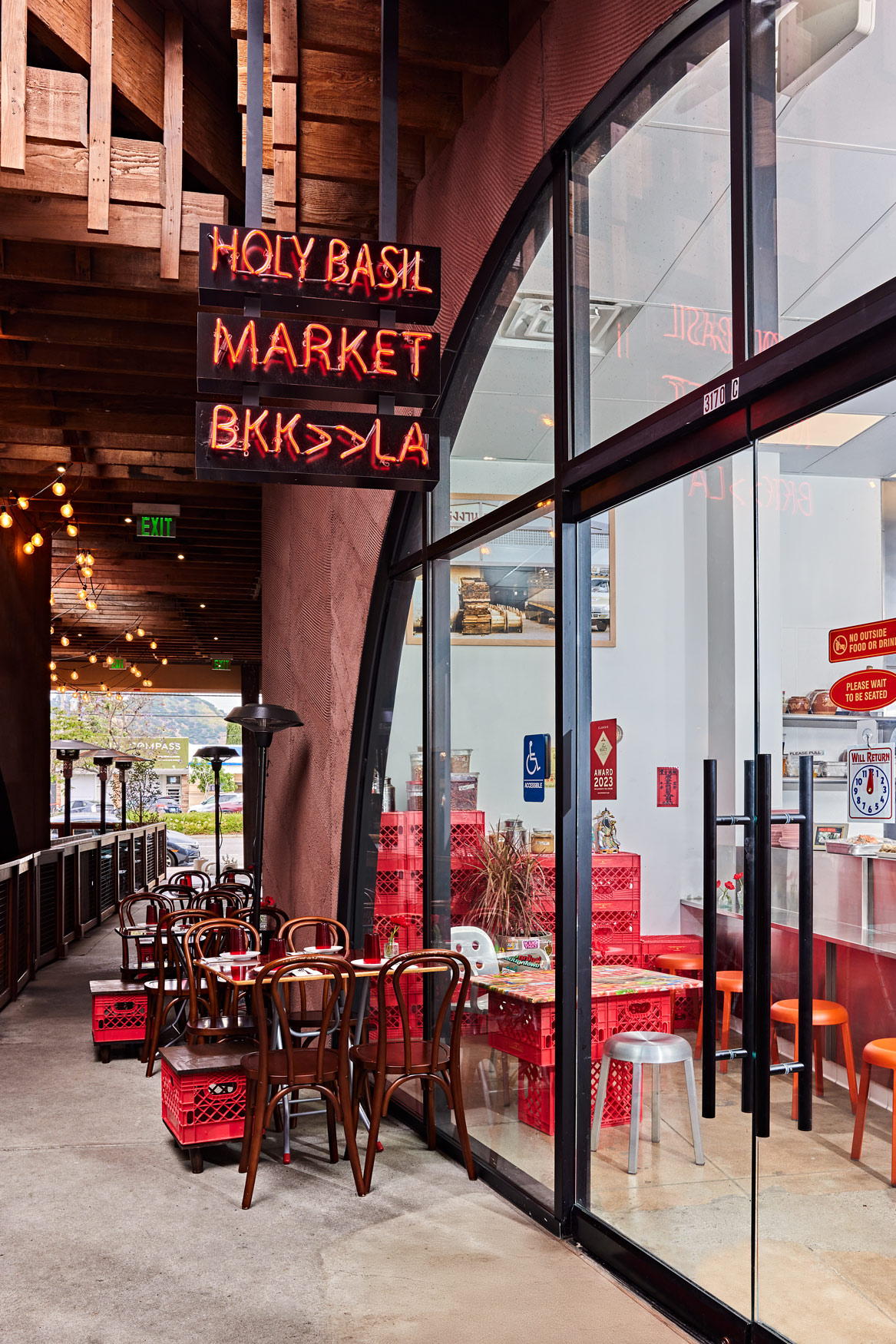 Holy Basil in Atwater Village, Los Angeles. Image credit: Patcha Kitchaicharoen
DA Holy Basil in Atwater Village! It’s humble and straightforward, but the food is amazing. For a true “locals only” vibe, Pace in Laurel Canyon is a classic. The newest, hottest restaurants in town are Wythe in Los Feliz and Max & Helen’s on Larchmont. If you’re one of the lucky few to snag a reservation, congratulations.
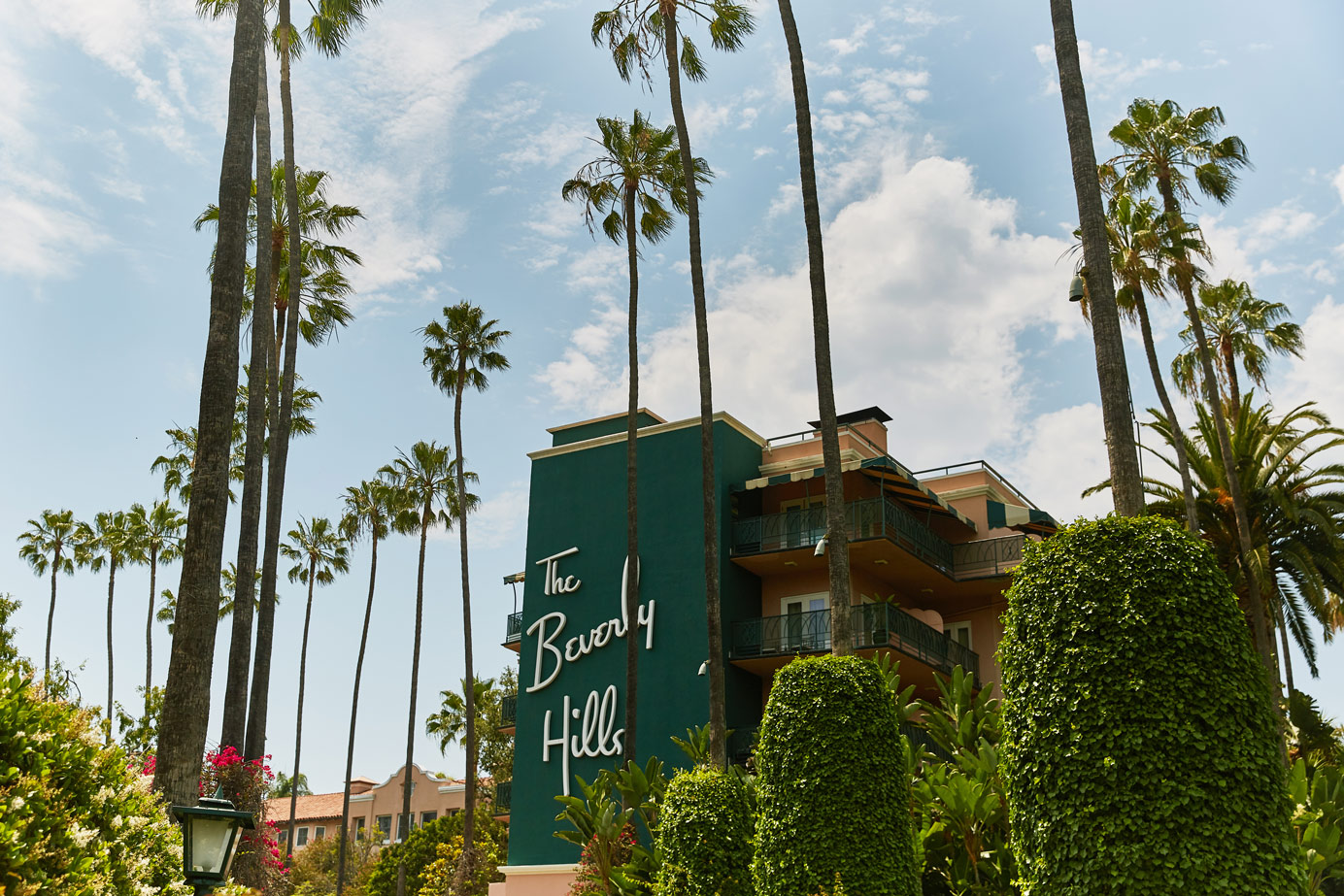
CD Beverly Hills Hotel. It’s a great place to eat and watch people.
Which museums and galleries do you most enjoy visiting?
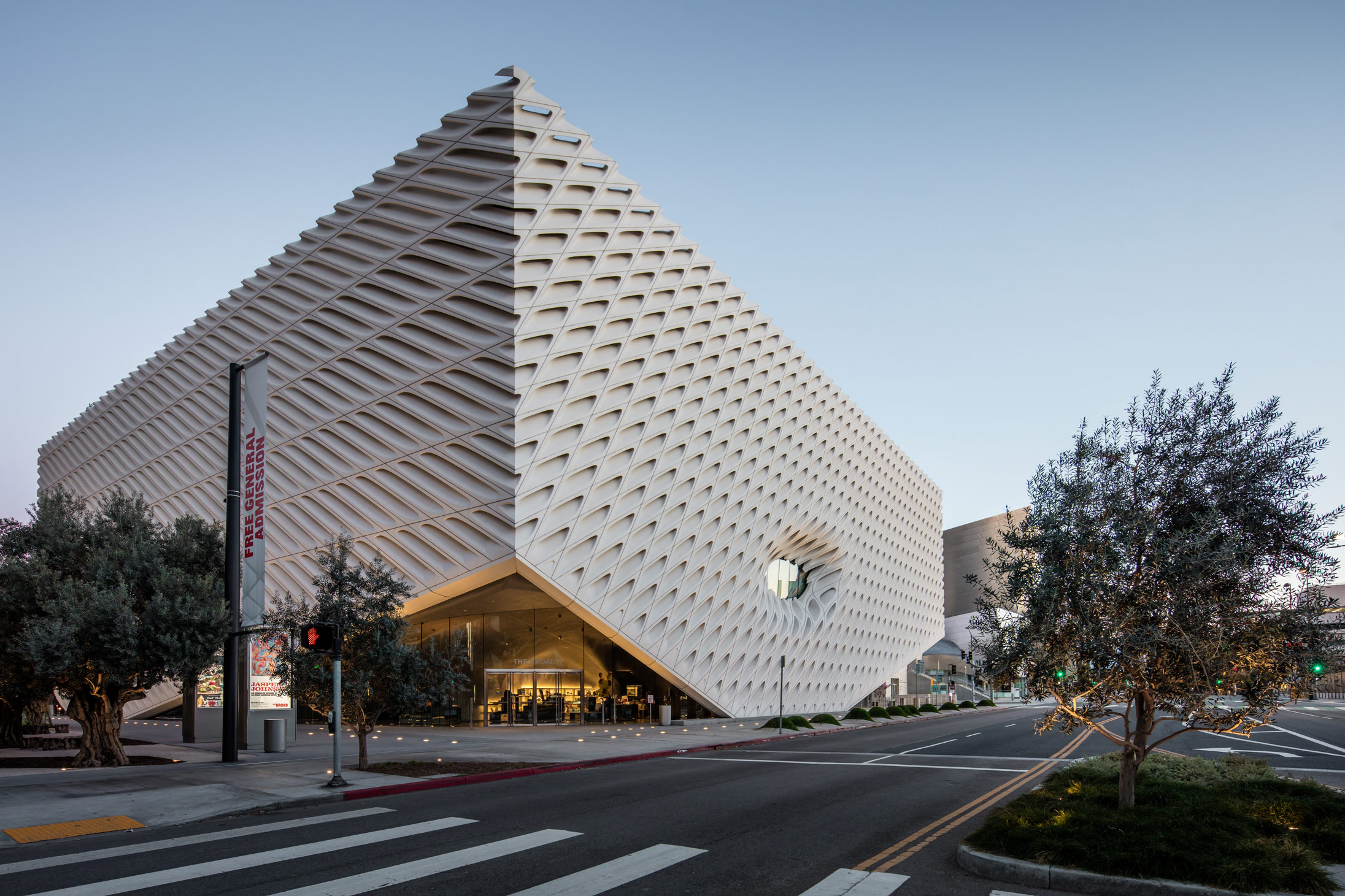
CD The Broad, LACMA, Friedman Benda Gallery. I also like going to local fairs and shops selling local artists.
DA I think for someone who’s never visited before you have to see The Broad. MOCA and LACMA are both incredible institutions, though for me it’s always the current exhibition that dictates a visit. On the gallery side, LA has become such a rich environment. The list could be endless, but here are a few of my favourites: Sea View, Night Gallery, Chris Sharp Gallery, Hauser & Wirth, David Zwirner, and South Willard.
Which design stores would would you recommend?
CD The Rose Bowl Flea Market.
DA Obviously, The Future Perfect at The Goldwyn House is a must. There’s really nothing else like it. The house and gardens alone make it special, and there are very few places where you can visit a residence like that. And of course, the curation of design is excellent (if I do say so myself). For vintage and historical design, Gallery Half and Obsolete have an incredible curation, while JF Chen is a true institution for serious collectors. And I love LA’s garden stores, like Tropics Inc and Inner Gardens. These are both special destinations. For the treasure hunters, the Pasadena Antique Center is excellent. Just be sure to visit the Fair Oaks Avenue location (in my opinion, far better than the Pasadena Antique Mall).
Where would you go to buy books?
 Arcana Library, Los Angeles. Image credit: Joshua White
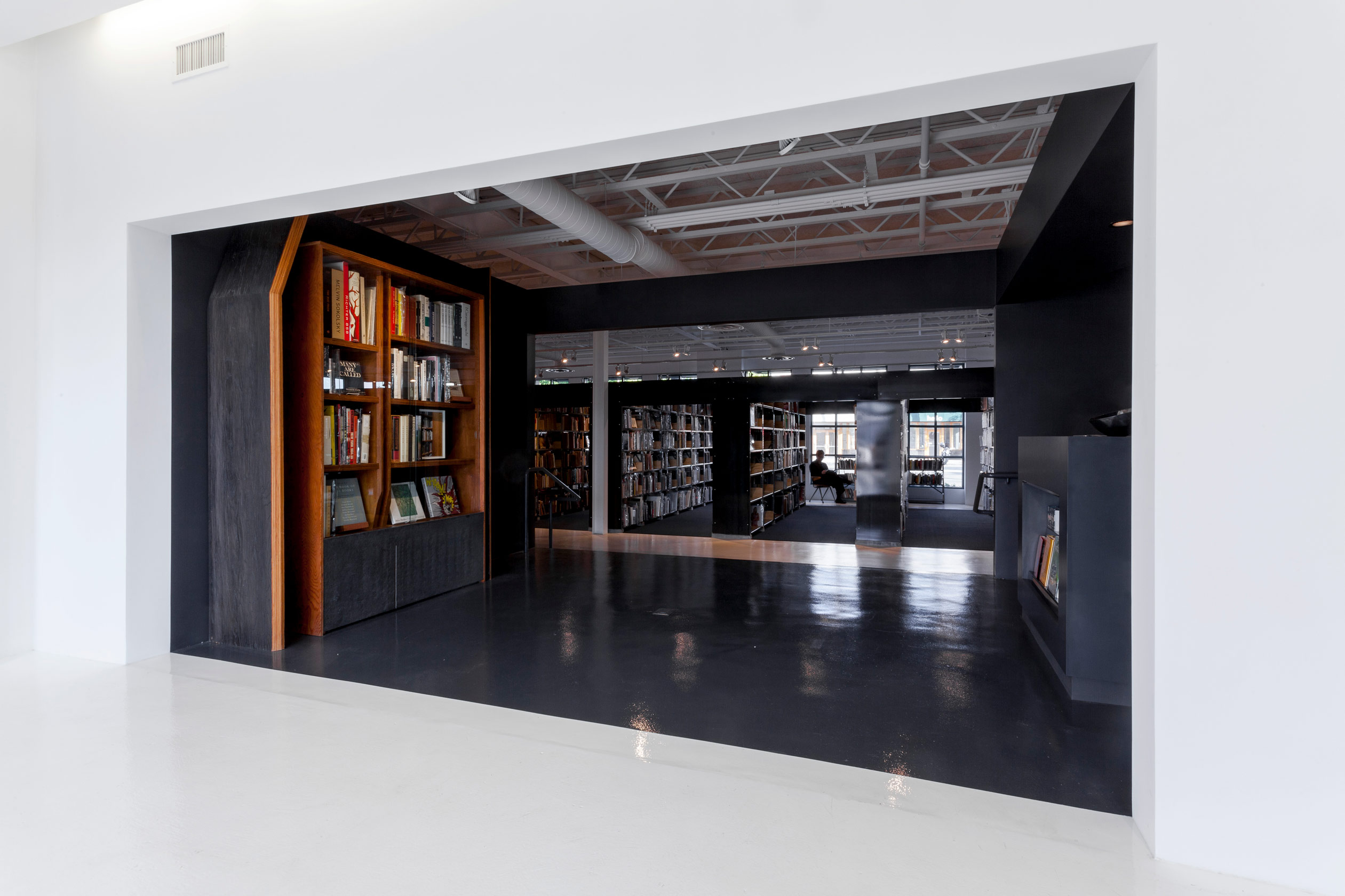
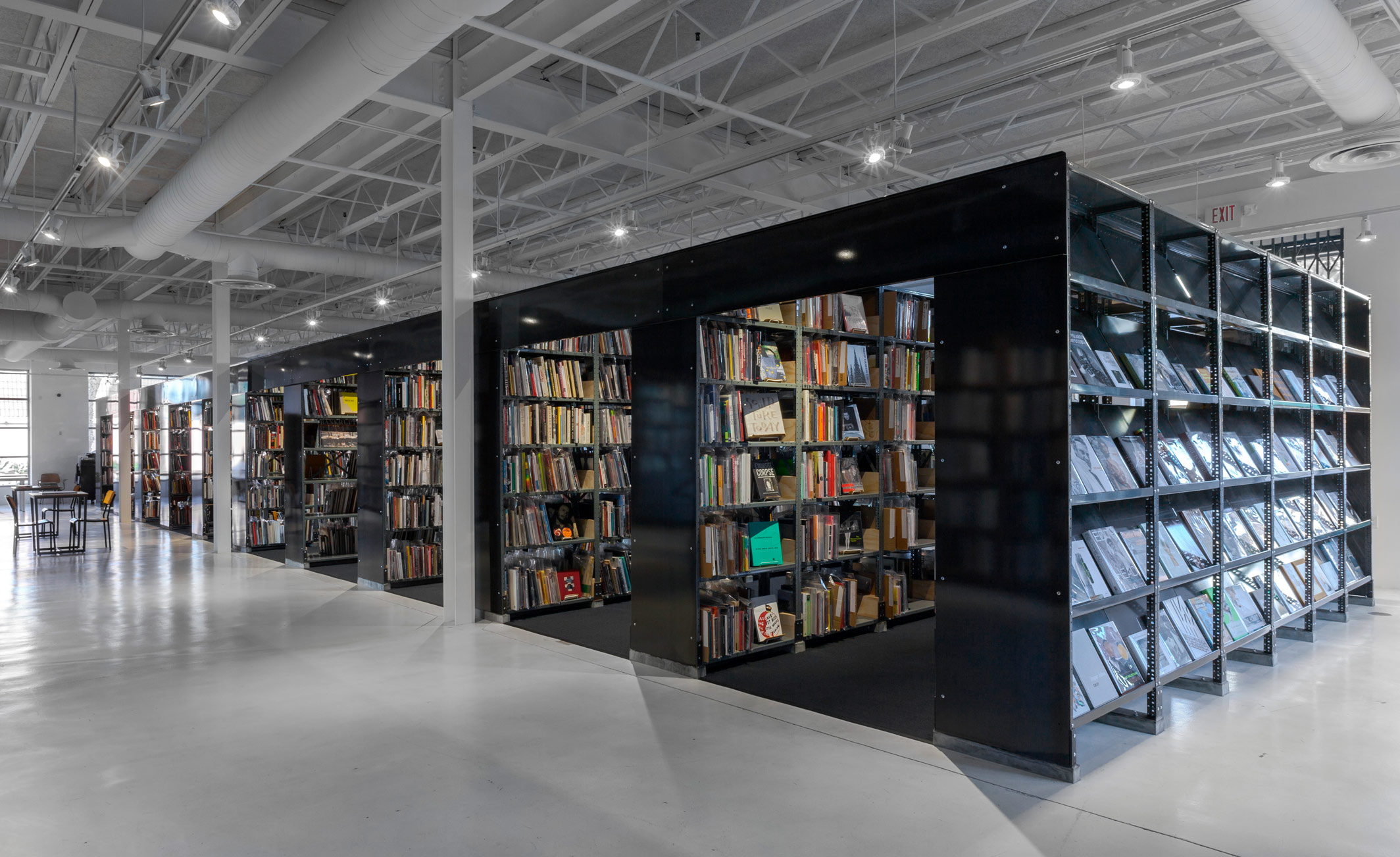
CD Arcana in Culver City.
DA Arcana: Books on the Arts, no question.
 Arcana Library, Los Angeles. Image credit: Joshua White
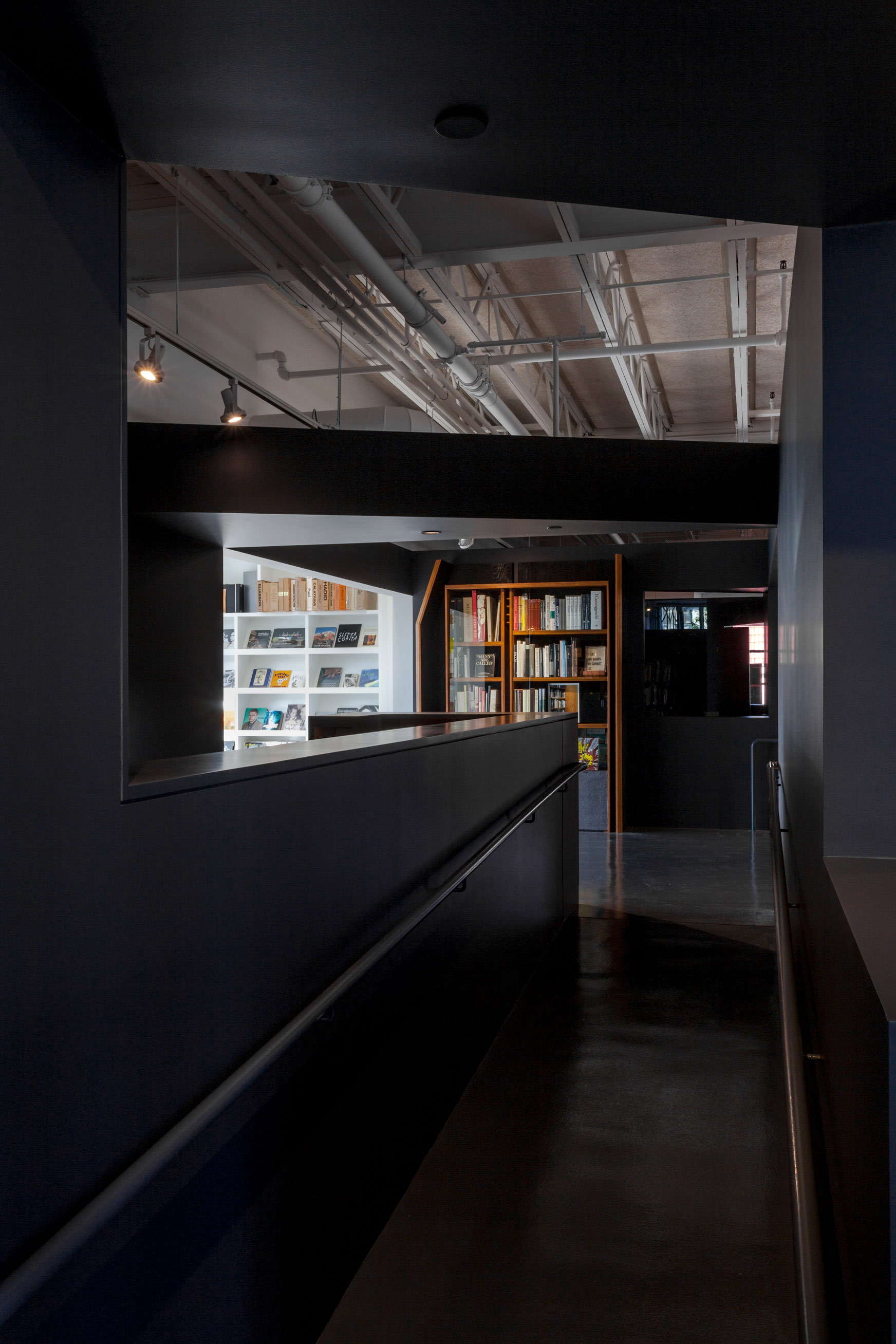 Arcana Library, Los Angeles. Image credit: Joshua White
Which parks or green spaces do you most enjoy visiting in LA?
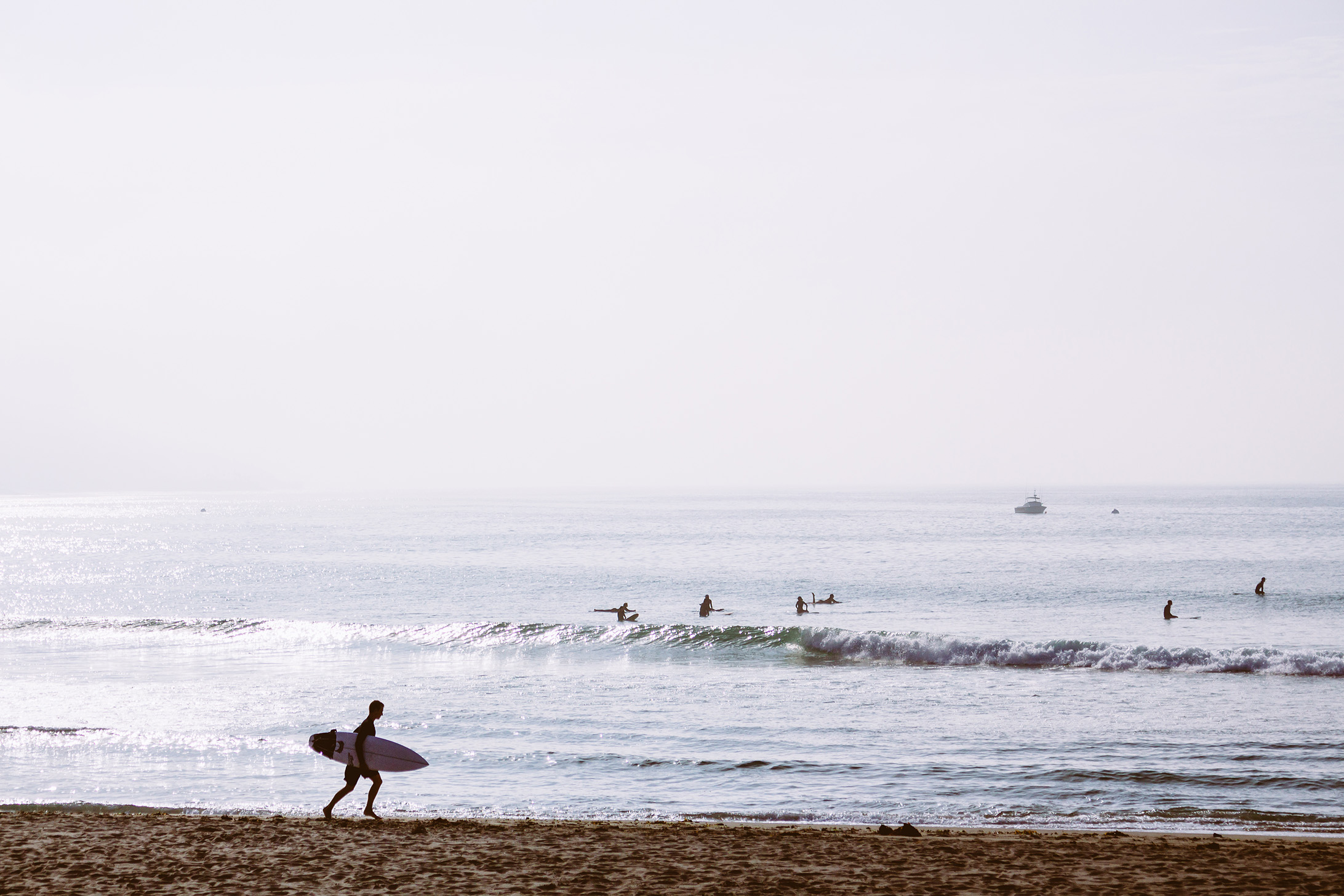
DA LA is all about the hikes rather than parks in the typically urban sense. On the Westside, Tigertail Trail is my favourite hike in the city – challenging, tucked away, and incredibly rewarding. Runyon Canyon is probably the most famous and conveniently close to The Goldwyn House. Griffith Park is also excellent. My favourite beach is any of them. People love to debate, but unless you surf, you’ll be happy at any beach. If you have time to visit Malibu, the beaches feel more intimate and getaway-like than Santa Monica or Venice.
CD I like to take my dog Dino to Ascot Hills Park in Lincoln Heights. There are great trails and views.
What are your favourite pieces of architecture in Los Angeles?
CD Schindler House.
DA The Broad Museum is great and Walt Disney Concert Hall is cool. If you can visit the Neutra VDL House, it’s well worth it. I also love the interior lobby of the Bradbury Building. For iconic residential architecture, drive through Hancock Park. It’s older, grander, and more cinematic than the LA flats. And for pop-culture: if you’re old enough to remember Thriller, visit the street it was filmed on at 1345 Carroll Ave in Echo Park. If you’re not, the American Horror Story “Murder House” at 1120 Westchester Place is equally iconic.
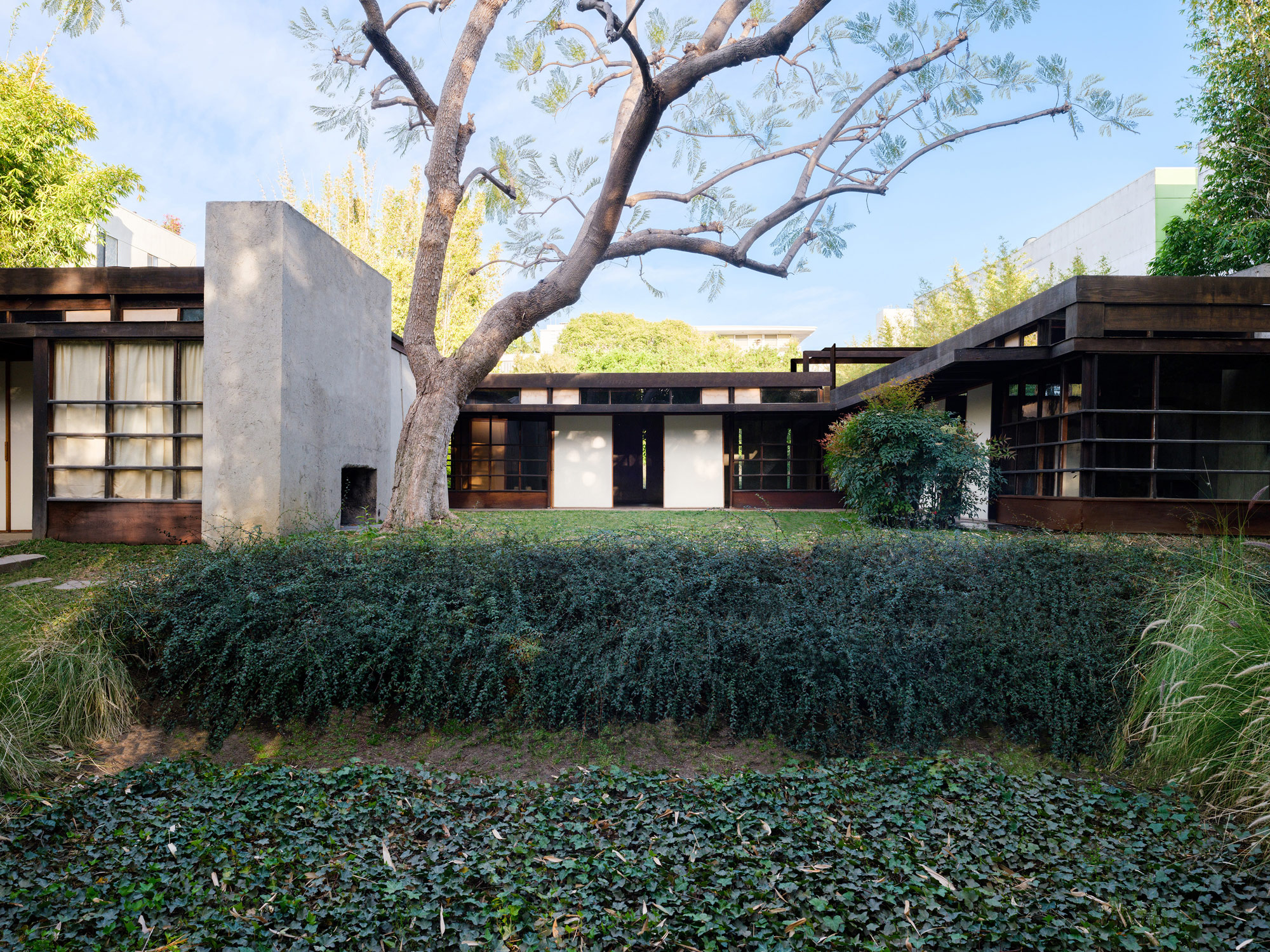
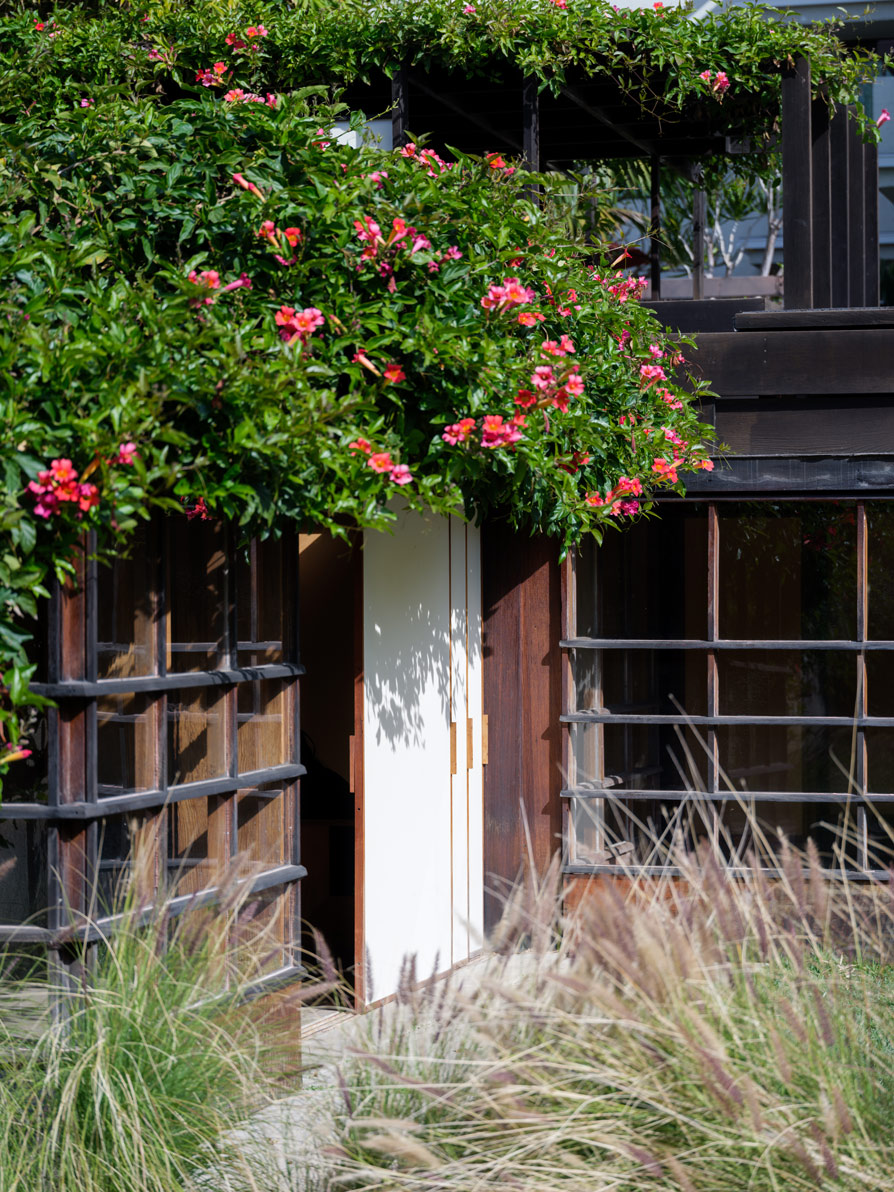 Schindler House, Los Angeles
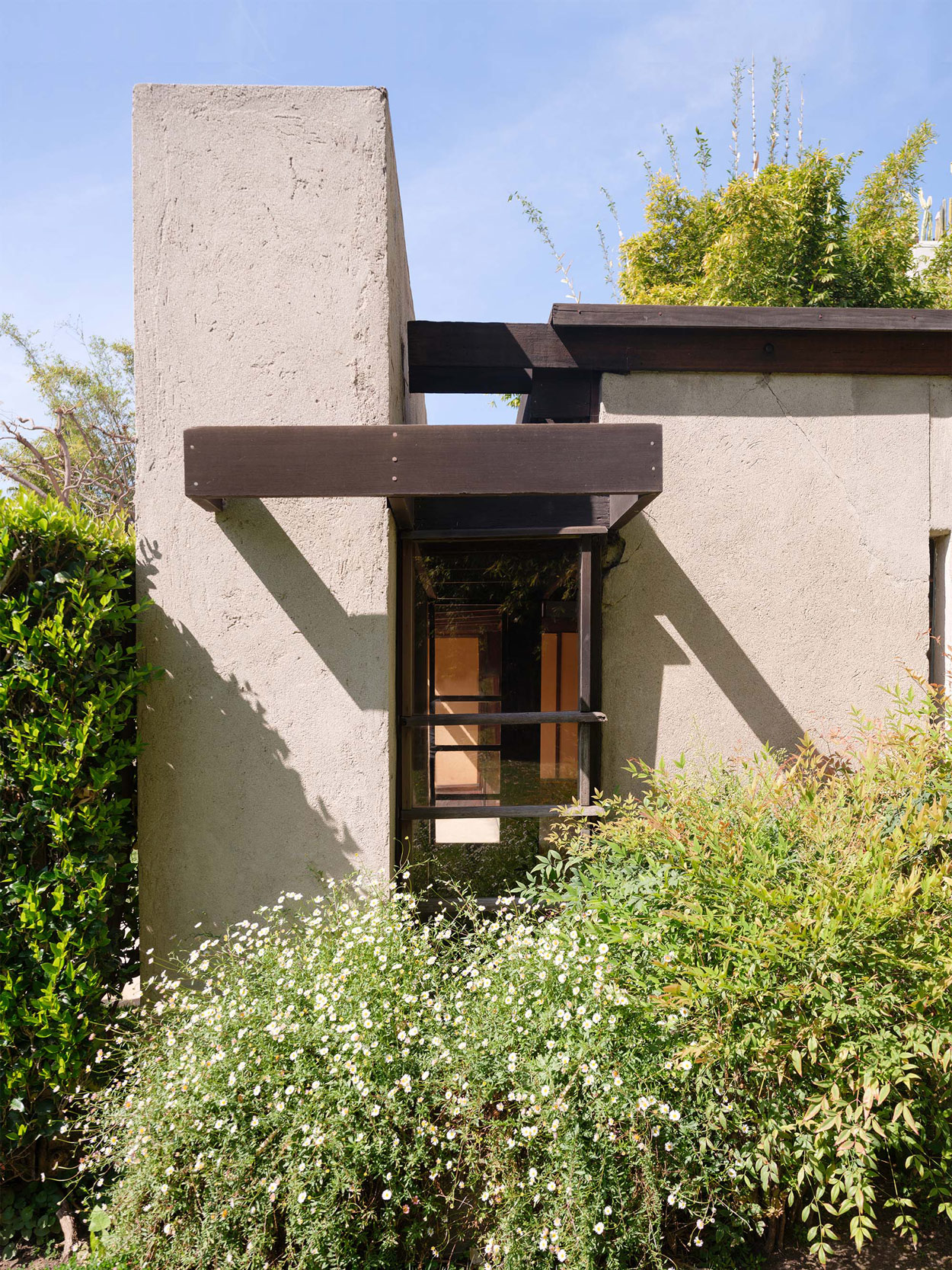 Schindler House, Los Angeles
Are there any day trips in Los Angeles that you would recommend?
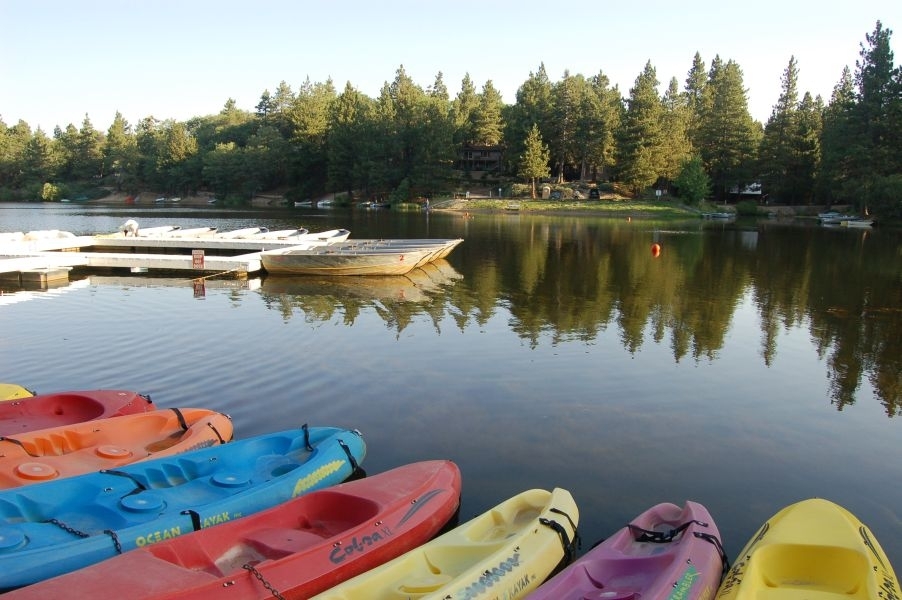 Green Valley Lake near Lake Arrowhead, Los Angeles
DA So many! But my favourite is Laguna Beach, it’s worth the drive.
CD Green Valley Lake near Lake Arrowhead.
What, to you, is most distinctive about Los Angeles in comparison to other world cities?
CD LA has a little bit of everything – different cultures, foods and landscapes.
DA It’s the totally confused and indiscernible scale of the city. LA was designed for the car, and its sprawling nature can be intimidating, impossible, annoying – yet also really exciting and fun. There are amazing restaurants hiding in strip malls that you would normally ignore. Coffee shops tuck themselves into commercial districts, turning a cappuccino into a destination. It’s frustrating until you try Maru Coffee and you realise the drive, the parking, and the effort were all well worth it. LA annoys and delights in a single breath.
Main Image: Laguna Beach, Los Angeles.
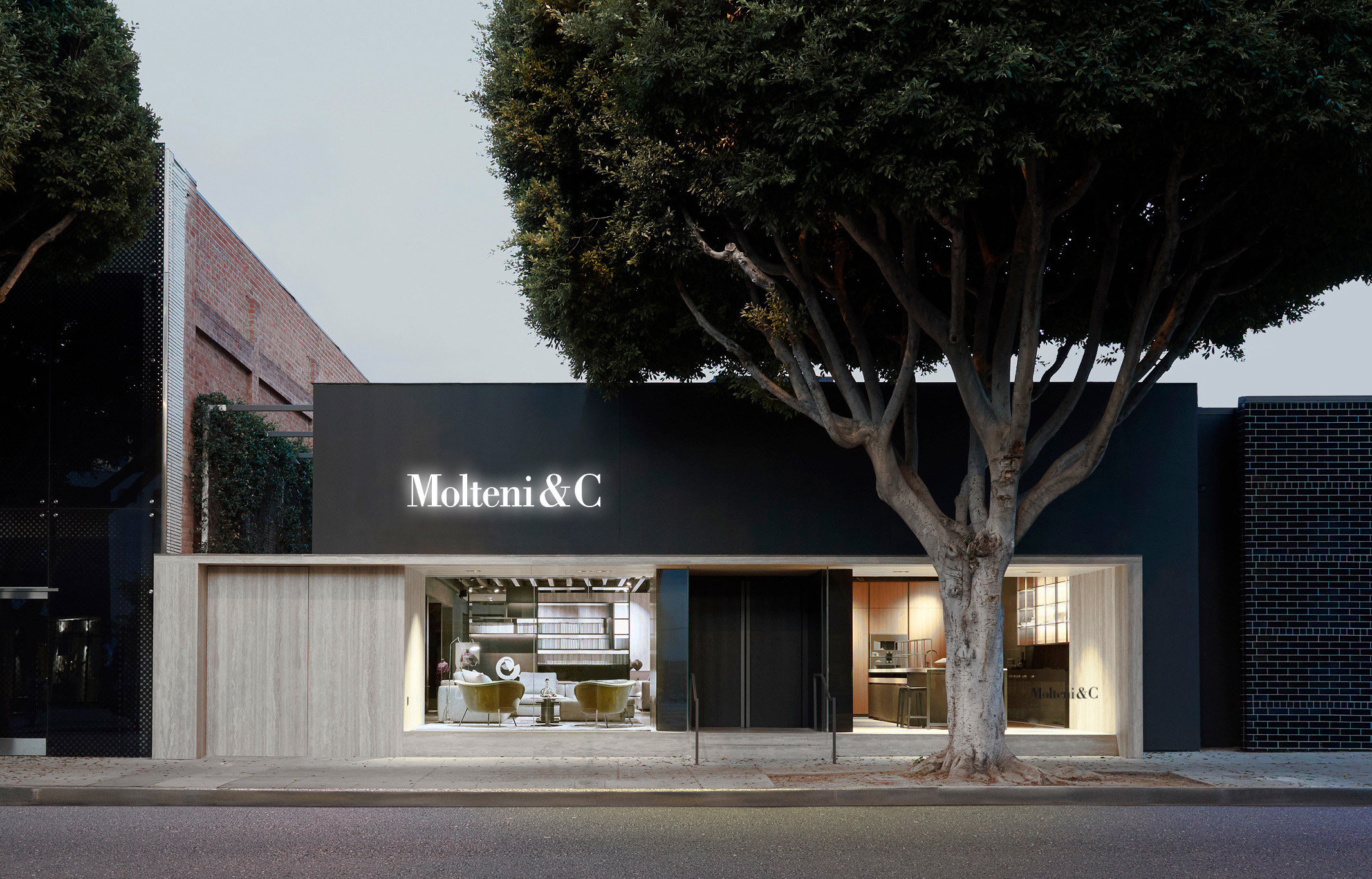
Molteni&C Los Angeles Flagship Store
Opening on 4 June 2026 in West Hollywood, the Los Angeles Flagship Store is Molteni&C newest directly operated store in one of the most influential design districts in North America.
A century of sound, design, and memory explored through an elegant reflection on acoustics as an emotional and architectural experience, in the enduring spirit of Bang & Olufsen.
Porosity between the exterior and interior space defines contemporary luxury in a series of new developments that open up buildings to the great outdoors.
Design historian Catharine Rossi explores the significance of circles, cycles and circularity for the way in which we live and design architecture today.


