browse by topics


We all know – intuitively and from experience – how important a connection to nature is for our health and wellbeing. And yet, in a world that is now more urban than rural, most of us move through life inside highly controlled containers, linked by tightly planned transport networks. In that context, nature – like time and silence – has become a valued commodity. More than gilded details, glittering chandeliers or opulent textiles, what many of us now crave is greenery, light and air.
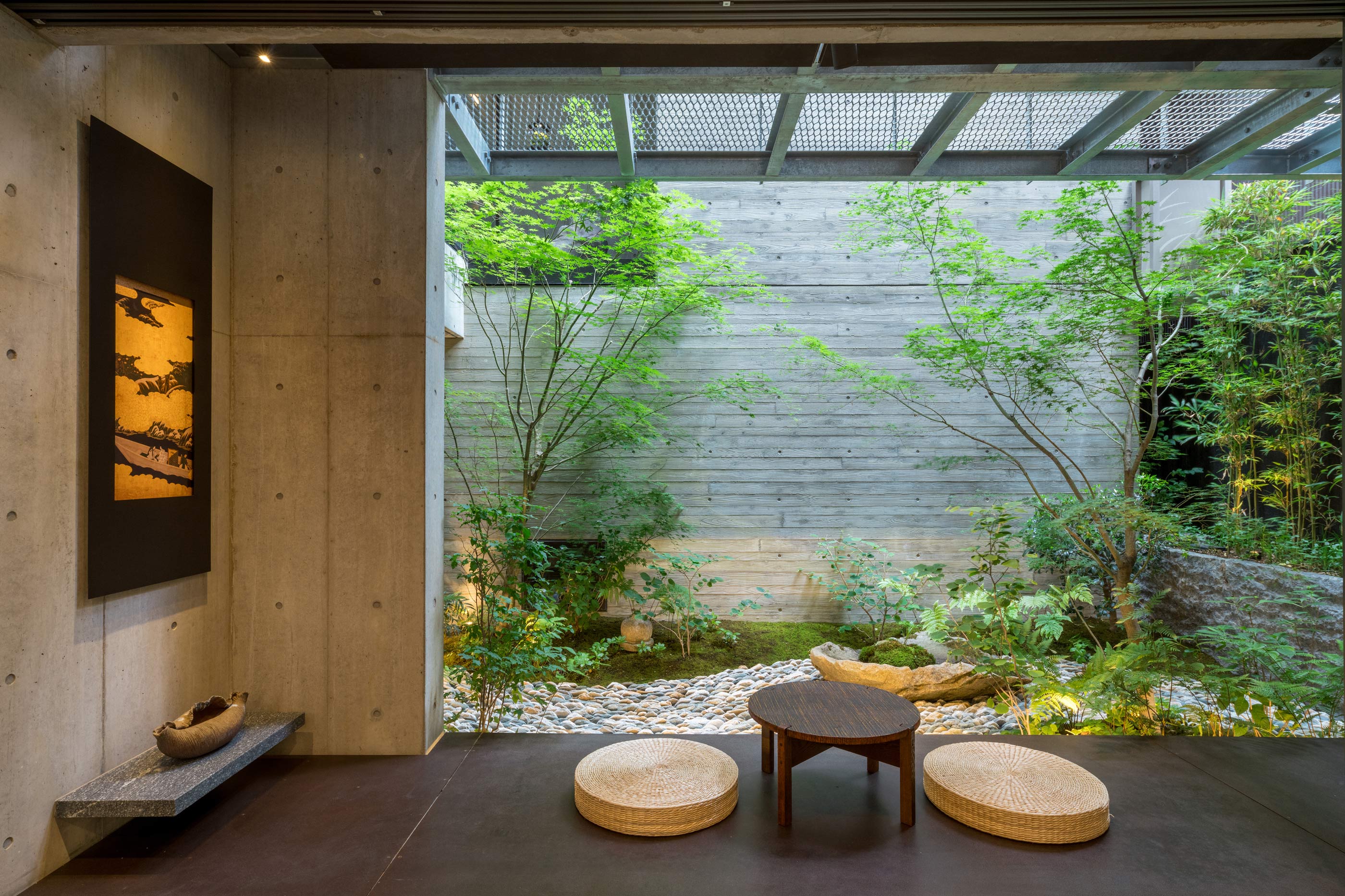 The Genji Kyoto hotel's gardens are designed as extensions of its architecture. Image credit: architect and chief designer Geoffrey P. Mousas and landscape designer Marc Peter Keane
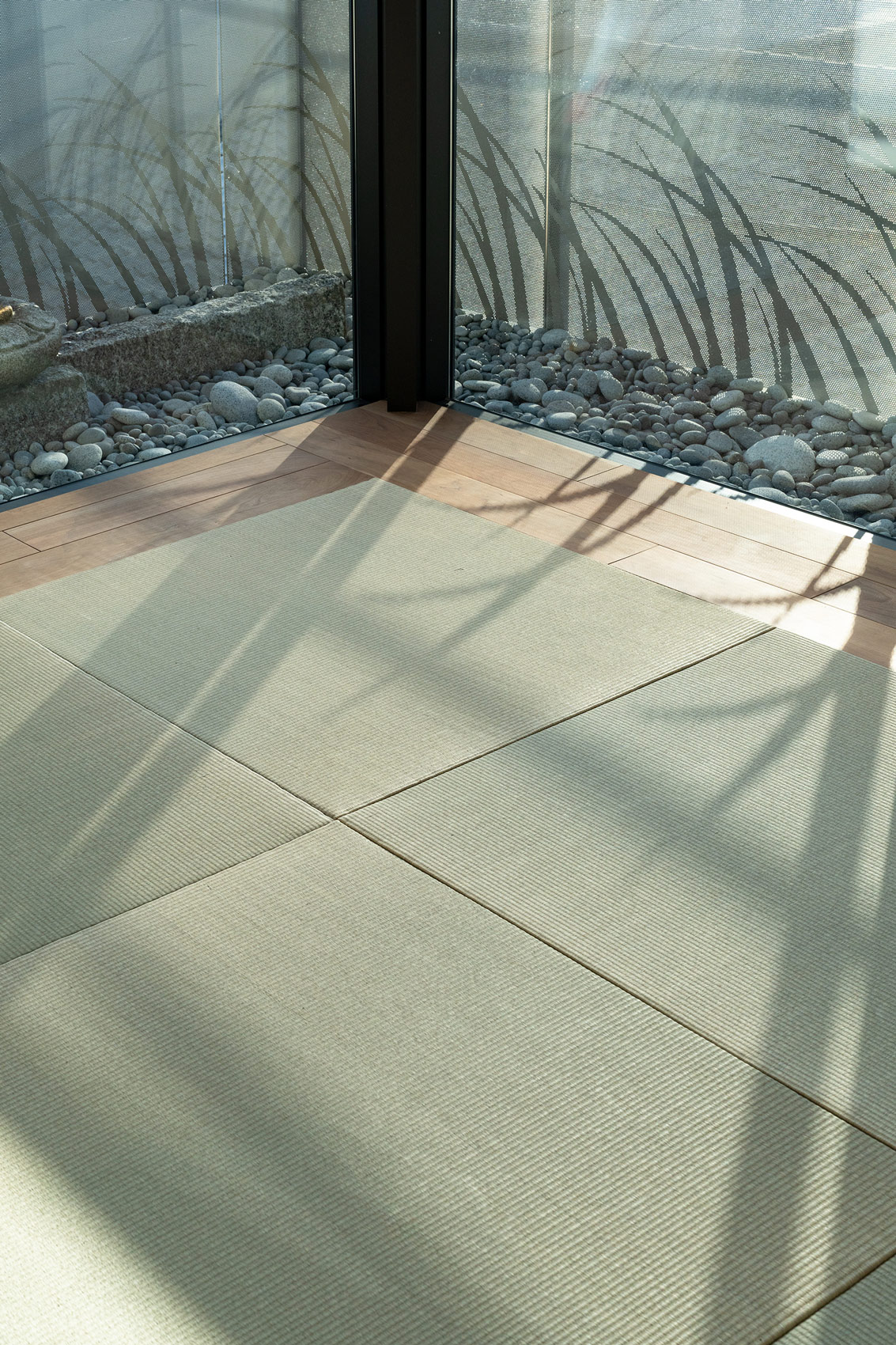 The Genji Kyoto hotel's gardens are designed as extensions of its architecture. Image credit: architect and chief designer Geoffrey P. Mousas and landscape designer Marc Peter Keane
“There is a growing desire for spaces that feel more connected to natural rhythms – daylight, seasons, weather, landscape – rather than being completely insulated from them,” says Vincent Van Duysen, creative director of Molteni&C.
“For a long time, luxury was associated with control, perfection and enclosure. Today, it is increasingly linked to a sense of ease, openness and authenticity. People want interiors that breathe, that allow moments of pause, and which offer a more fluid relationship between inside and outside.”
Architecture, he adds, has a powerful role to play in creating spaces that feel calming, generous and grounded, and designers are increasingly stepping up to that challenge, blurring the boundaries between indoors and outdoors, and questioning what we mean by high design and quality of life. Through biophilic features that bring nature indoors and porous edges that blur the barrier between interior and exterior, the spaces that contemporary design is now creating are intended to nurture wellbeing. Their openness and flexibility also invite creativity and personalisation, allowing rooms and buildings to adapt over time.
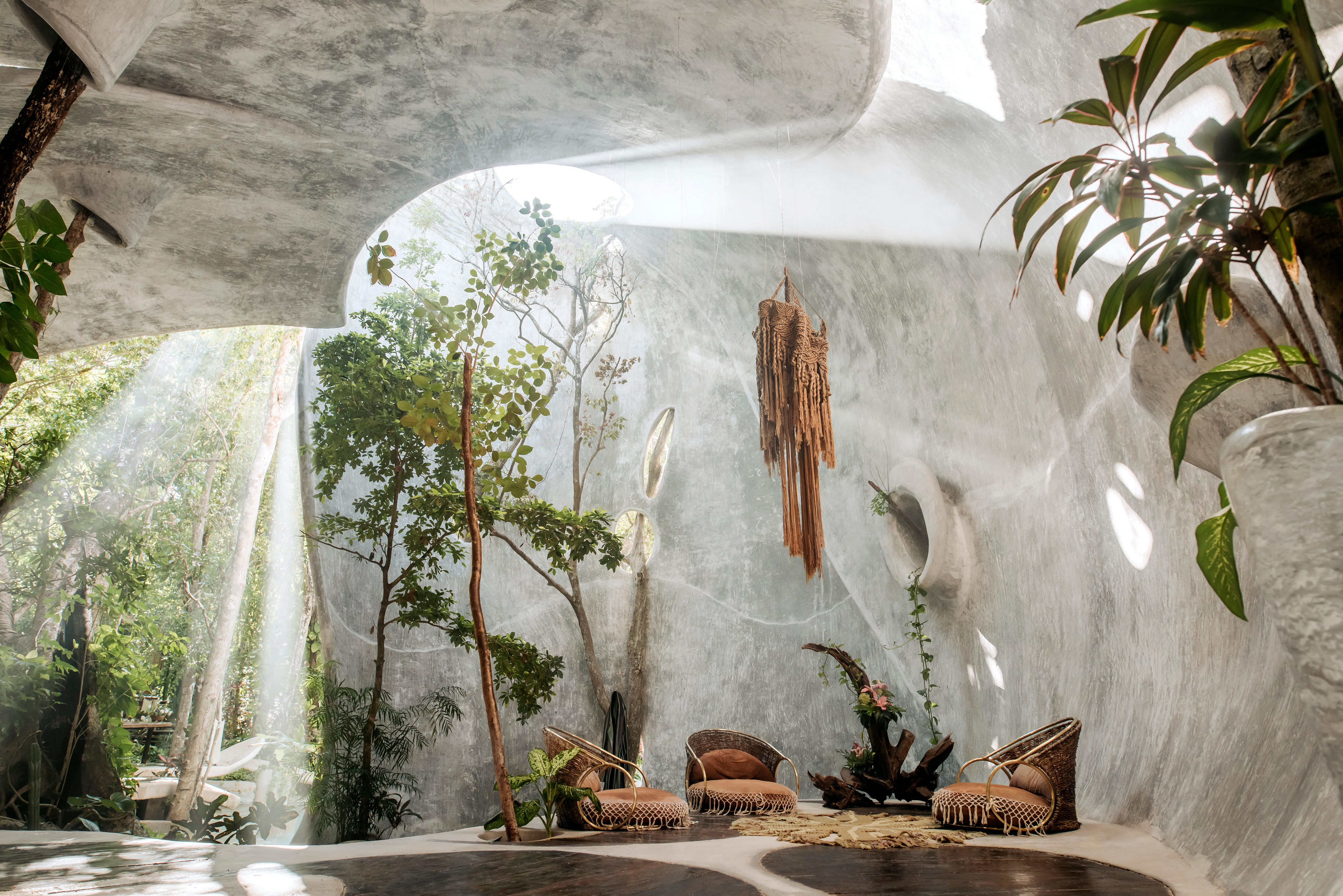
This shift is playing out around the world. At the Genji Kyoto hotel in Japan, for instance, gardens are conceived as extensions of the architecture: “It’s hard to tell where the building ends and the garden begins, and vice versa,” says its architect Geoffrey P. Moussas. The hotel’s lobby doubles as a zen garden; each bedroom has a private pocket garden; and the roof is topped with a sky garden. In Mexico, meanwhile, SFER IK is a cultural centre embedded within the jungle in Francisco Uh May, where artworks by figures such as Ernesto Neto and Marléne Huissoud cohabit with trees, vines and wildlife. In the USA, Serenbe, a residential community outside of Atlanta, places biophilia at its core: it is surrounded by forests, meadows and nature trails, with fresh food grown on its 25-acre organic farm and edible landscape of blueberry bushes.
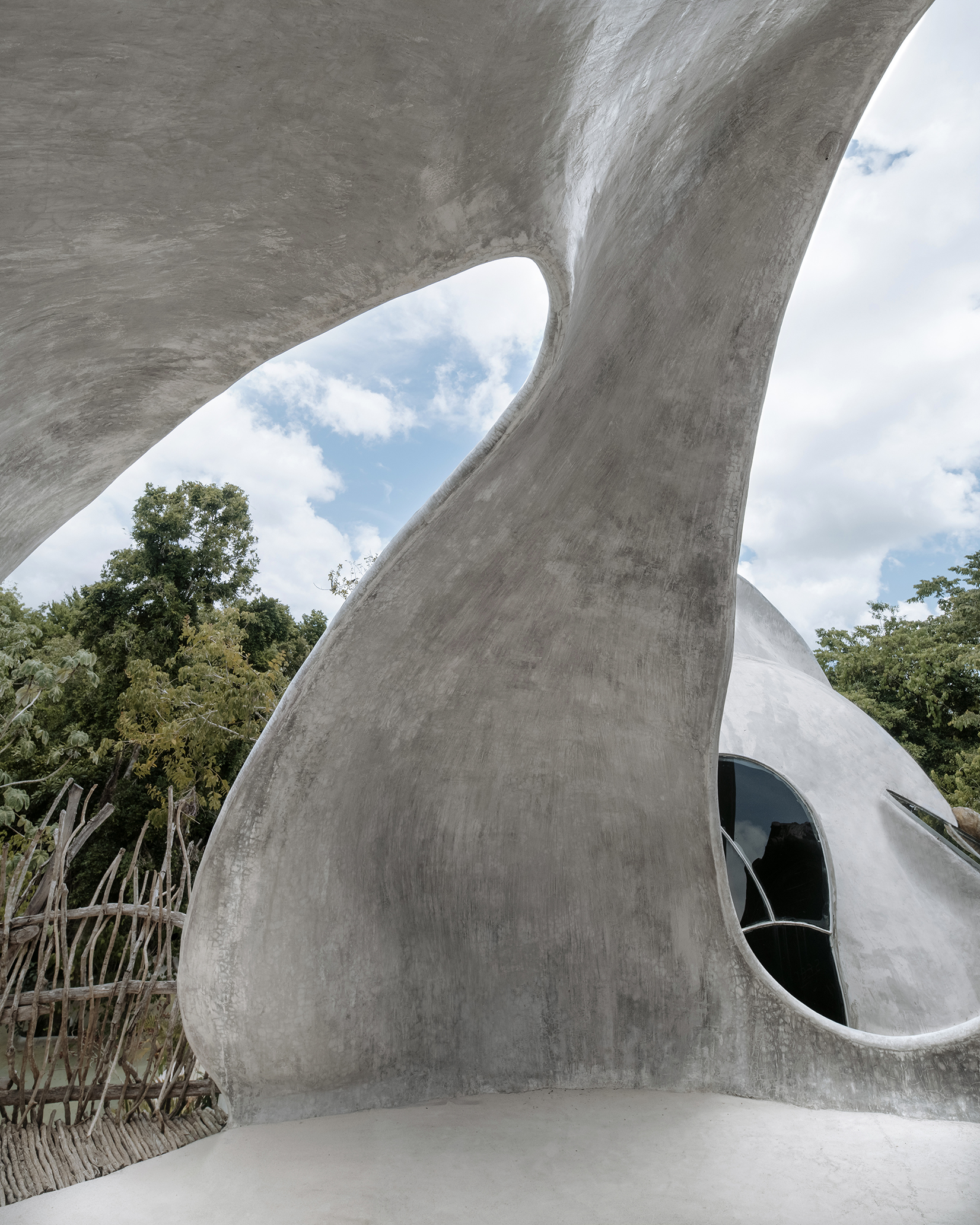 SFER IK, a culture centre embedded within the jungle in Mexico. Image credit: Courtesy of AZULIK
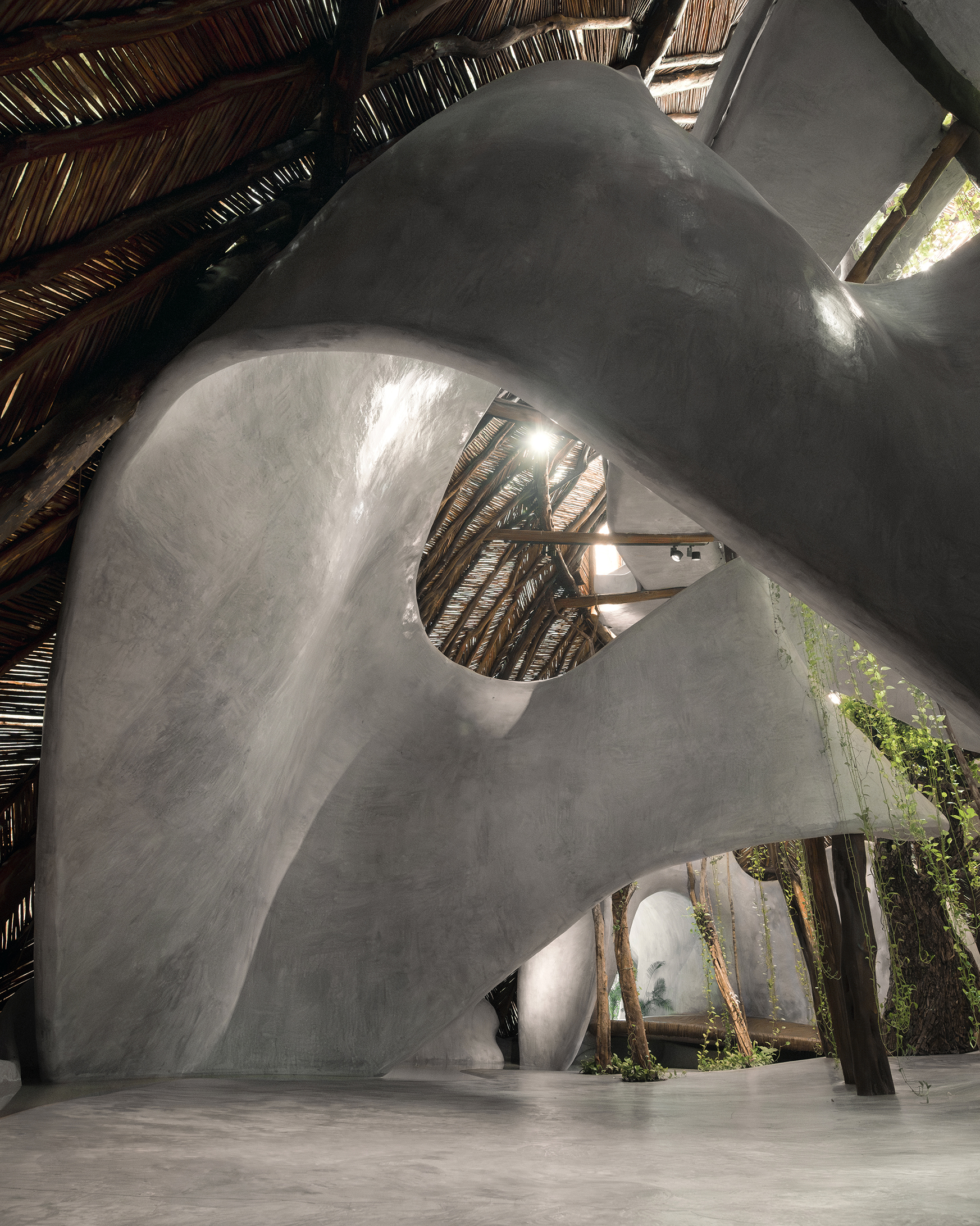 SFER IK, a culture centre embedded within the jungle in Mexico. Image credit: Courtesy of AZULIK
When architect Mark Shaw, founding director of Studioshaw, designed his own RIBA-award-winning home in London after a decade of living on upper floors, this longing for nature was a decisive driver. The courtyard outside his bedroom resembles a jungle. “It feels like sleeping among the plants – they’re growing right up against the glass,” he says. The experience continues throughout the house: his shower sits in a glass box enveloped in greenery and filled with large ferns; the living room is flooded with daylight; and on his way to the front gate he brushes past a birch tree and a line of scented plants. In the evening, he watches the sunset from his upstairs study, with views across neighbouring gardens, parks and marshes – it is no surprise that the project was named Catching Sun House. Shaw is aware of low winter sunlight penetrating deep into the building, and of the arrival of spring as the light changes.
“One of the beautiful things about the climate in the UK is that it never stops changing,” he observes.
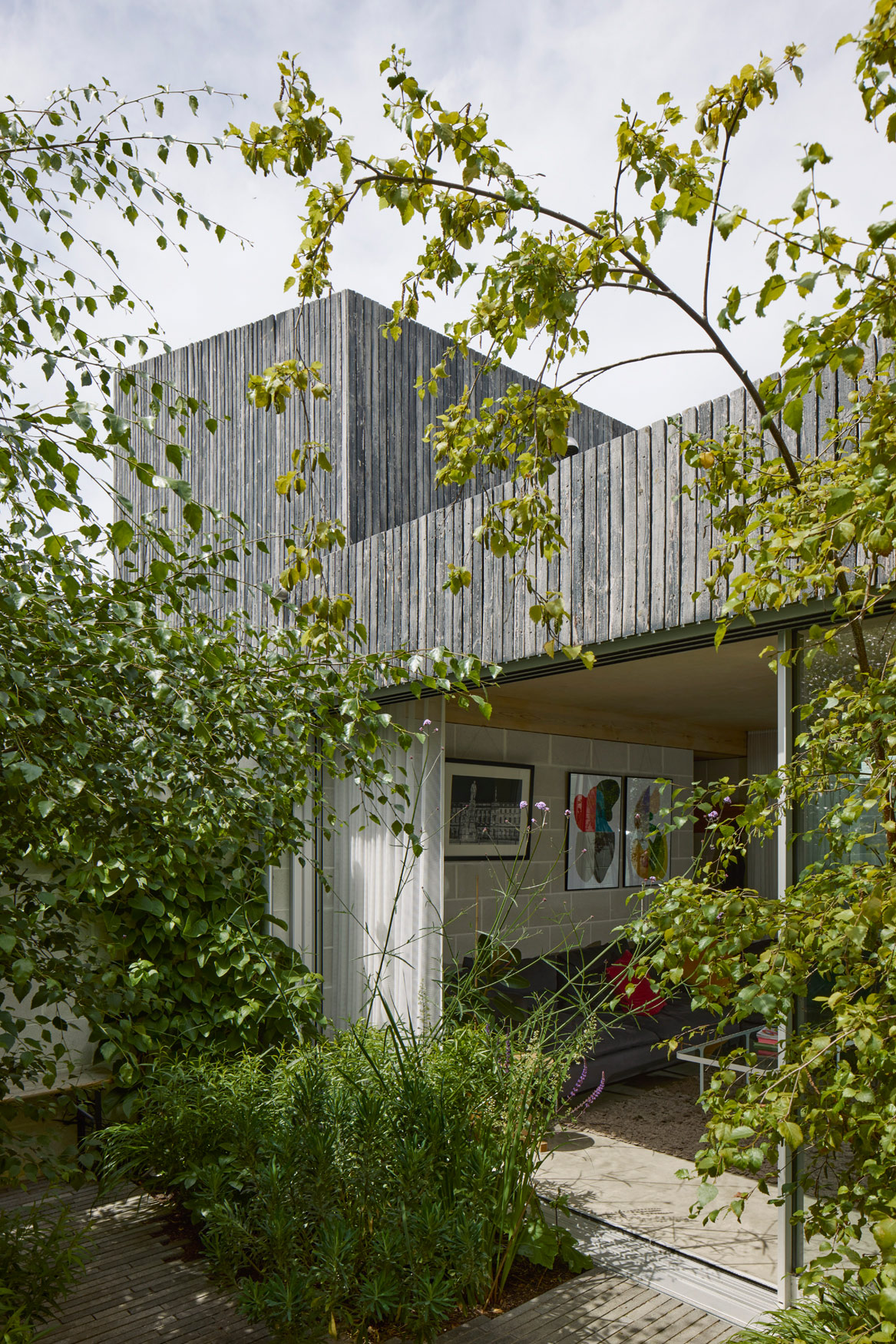 Catching Sun House, designed by Studioshaw, is a RI - BA-award-winning home in London that opens into a courtyard. Image: James Brittai
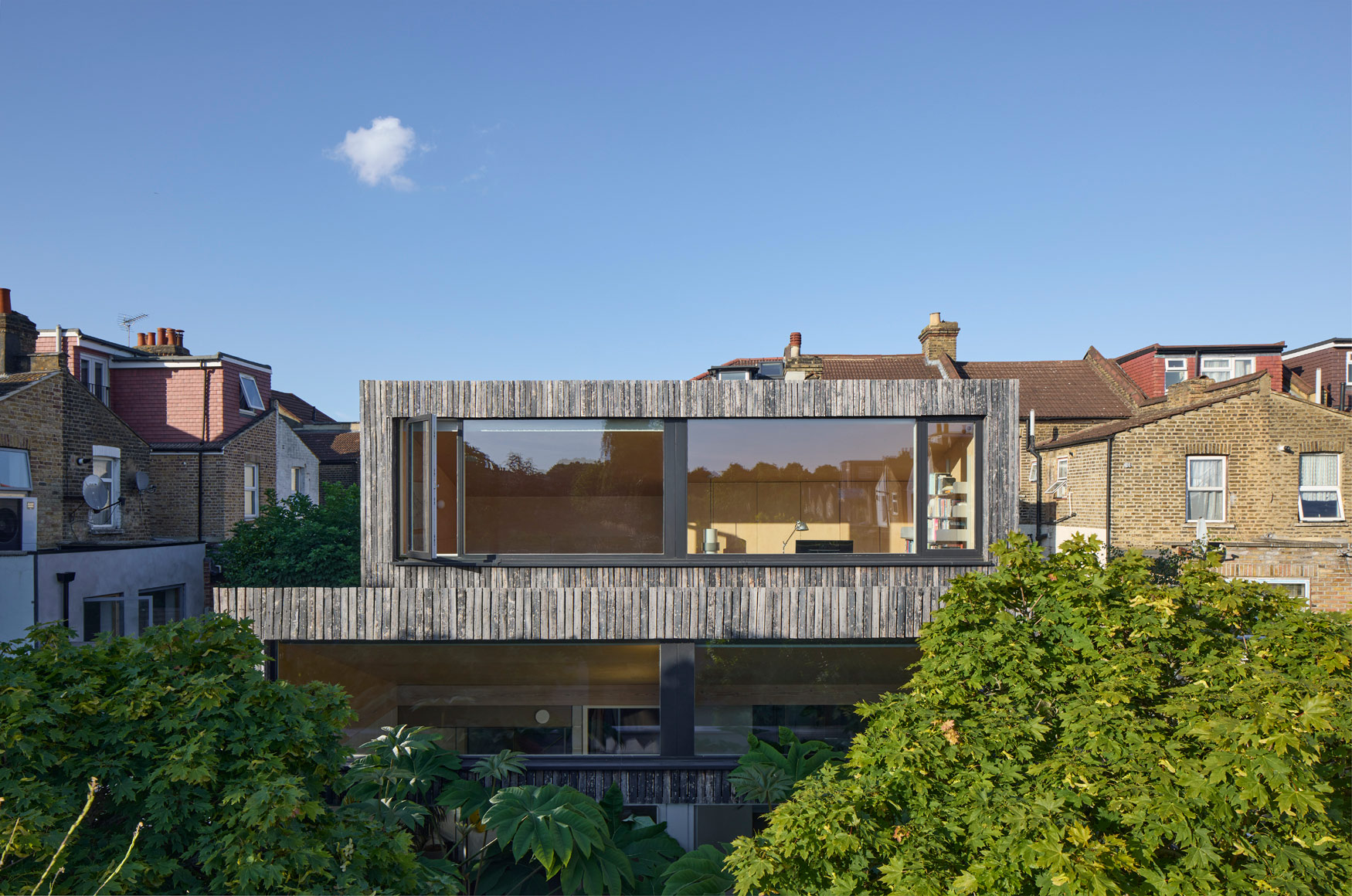 Catching Sun House, designed by Studioshaw, is a RI - BA-award-winning home in London that opens into a courtyard. Image: James Brittai
Shaw lives in a dense part of a major city – proof that the natural and the man-made need not be rigidly separated. Instead, we can live more harmoniously with the environment if we loosen the edges and relinquish a little control. It is an idea that French gardener and designer Gilles Clément articulated in his 2004 ‘Manifesto of the Third Landscape’, which explored the potential of road verges, infrastructural edges and urban scrublands. In these neglected, undesigned spaces, Clément argued, biodiversity – and imagination – are able to flourish. “There is no similarity in form between these fragments of landscape,” Clément observed, “Only one common point: they all constitute a refuge area for diversity. Everywhere else, diversity is driven out.” Embracing Clément’s ideas, his commitment to serendipitous diversity in place of strict control, has now provided a started point for Molteni&C’s exhibit at the 2026 Milan Design Week.
The Outdoor Collection that Molteni&C launches this year reflects a similar in-between spirit to Clément’s thinking: furniture designed to sit comfortably between interior and exterior. Dordoni Studio's Chelsea collection – a modular sofa, armchair and chair – evolves from an indoor range of the same name, but has now been executed with light, stable and resistant aluminium, wrapped in durable woven textile webbing and finished with subtly piped cushions. In this way, the materials have been adapted for outdoor use while retaining the elegance of the original interior design. Yabu Pushelberg’s new collection, meanwhile, is inspired by what the designers describe as the “poetry of nomadic objects”: a folding chair that can be moved to follow the light or escape the wind. Van Duysen’s own Soleva collection comprises a sofa, armchair, chair, sunbed and table, all of which strike a delicate balance between lightness and solidity through a slender tubular frame, resilient powder coating, and the use of natural materials that are durable, elastic and tactile, including marine plywood.
The same impulse evinced in the Molteni&C collections can be seen in commercial and hospitality spaces too. At a recent event for watch brand Jaeger-LeCoultre at The Conduit, a members' club in London, visitors entered an immersive oasis inspired by the Vallée de Joux in the Alps. Natural textures and materials, layered lighting and finely crafted details were complemented by bespoke visuals, creating a sense of pause within the city. “Introducing nature into a commercial space changes how people feel,” says Saina Attaoui, founder of L'Atelier Five, the design agency behind the installation. “It softens the pace, creates calm, and gives people a nurturing environment where they can slow down and connect.”
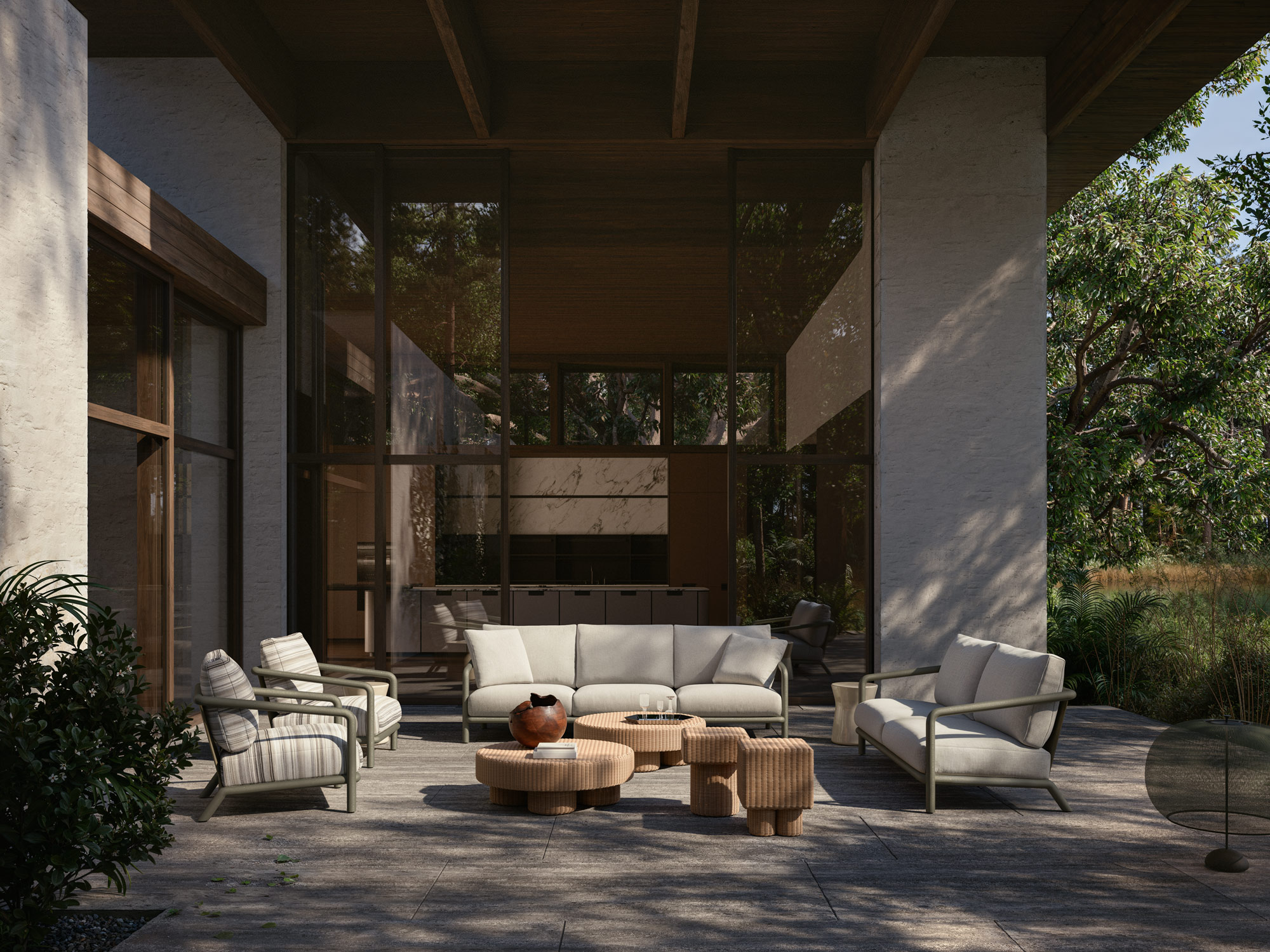 Molteni&C's Soleva collection by Vincent Van Duysen in an architecture by the designer
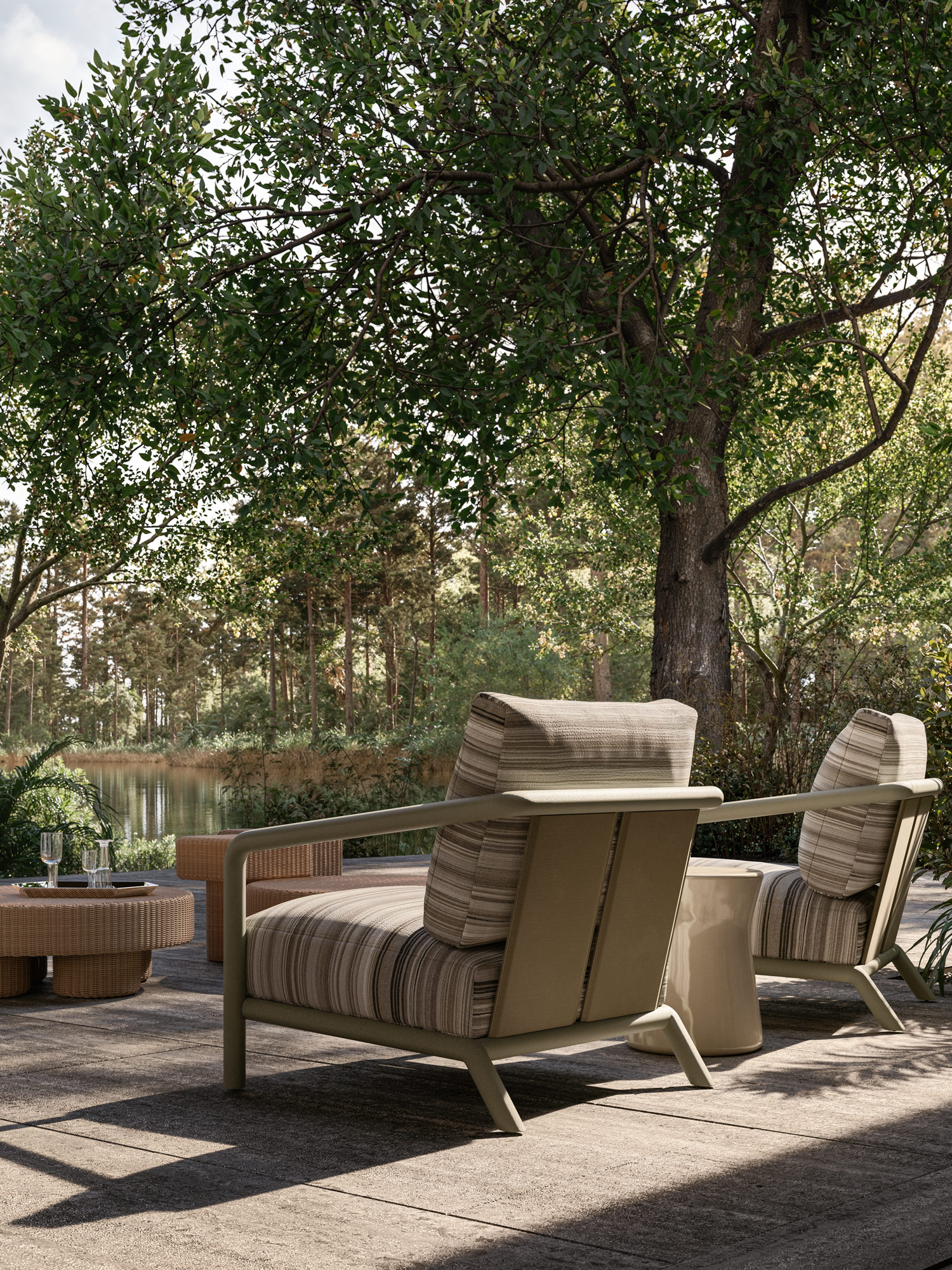 Molteni&C's Soleva collection by Vincent Van Duysen in an architecture by the designer
In Nepal, the city of Pokhara is a gateway to Annapurna I, the world’s tenth-highest mountain. Nearby, a restauranteur and their team are developing a luxury hotel intended as a place to acclimatise before hiking or exploring the region. Architect Guy Hollaway, whose Hollaway Studio practice is designing the project, recalls waking at five in the morning to watch the sunrise there. “It was the most extraordinary thing,” he says. “You feel as if you’re on top of the world, and it’s difficult to describe how close and immense the mountains feel.” As such, the hotel will take a horseshoe form, orientated towards the range, with a restaurant on one side, a lounge on the other and an open-air gathering space at its centre. Each bedroom will have an uninterrupted view. “Essentially, the whole building is open to the elements,” Hollaway explains.
“It uses the contours of the site – former paddy fields – to embed the accommodation into the landscape. You really feel part of the mountains, though glazing and shutters allow it to close down during the rainy season.”
In contrast to projects like this, which welcome nature into architecture, there are others that take architecture into the great outdoors, making it available to all. In 2023, EFFEKT completed a treetop walkway across the Fyresdal pine forest in southern Norway. One kilometre long and two metres wide, the timber boardwalk hovers 15m above the ground, bending with the mountain terrain before leading to a summit. From there, visitors encounter expansive views and the full force of the elements. Tue Foged, the practice’s co-founder, describes it as “a slow and poetic walk through the forest canopy, culminating in a rush of excitement as [you] take in the view of lake against sky, 60 metres above the water level”. Designed for pedestrians, cyclists, pushchairs and wheelchairs alike, the project was driven by inclusivity. “It grew out of a heartfelt desire to give all people, regardless of physical ability, the sensation of walking amongst the treetops,” says Monica Sølyst, project lead at commissioning body Faun Naturforvaltning.
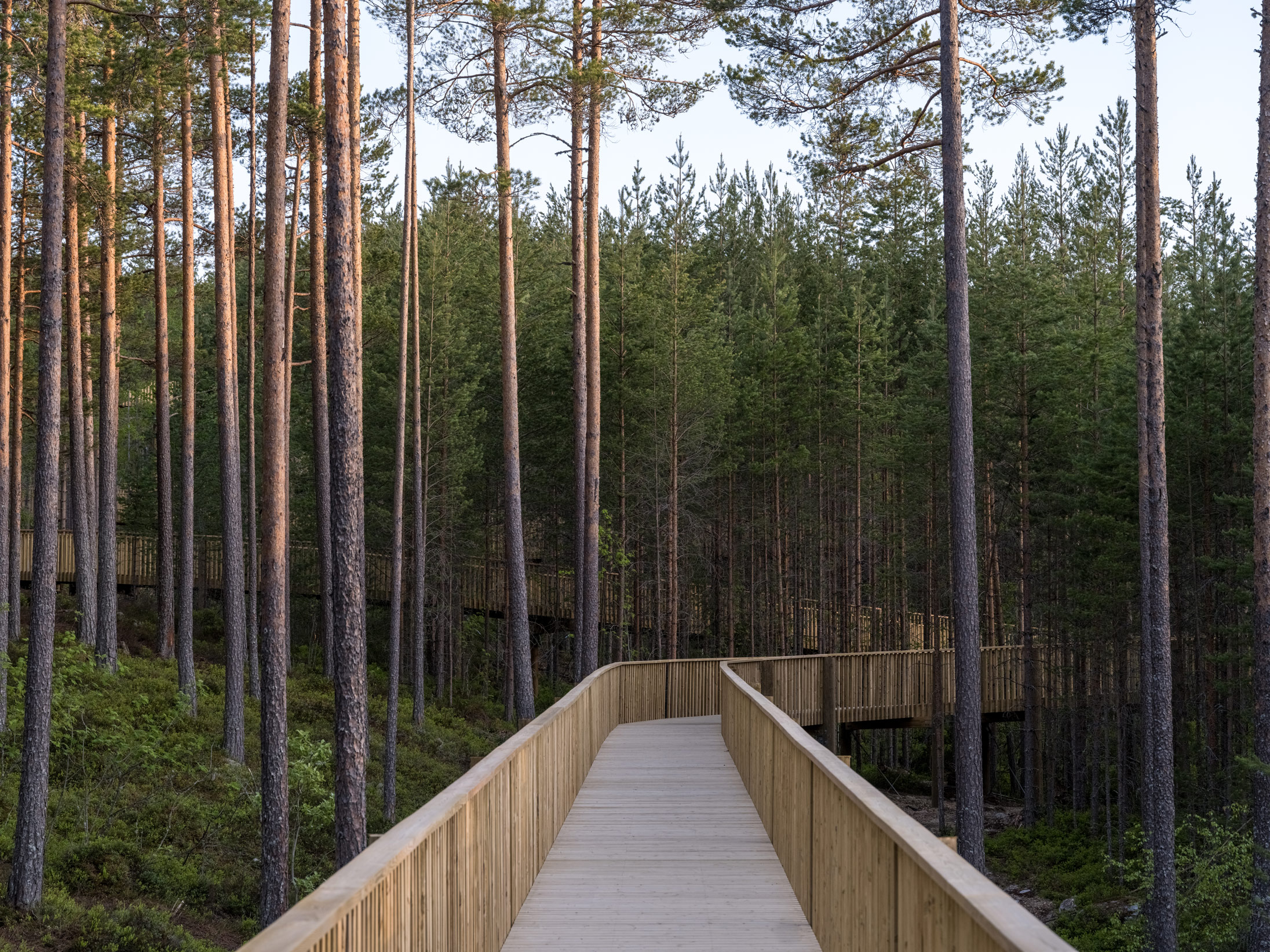
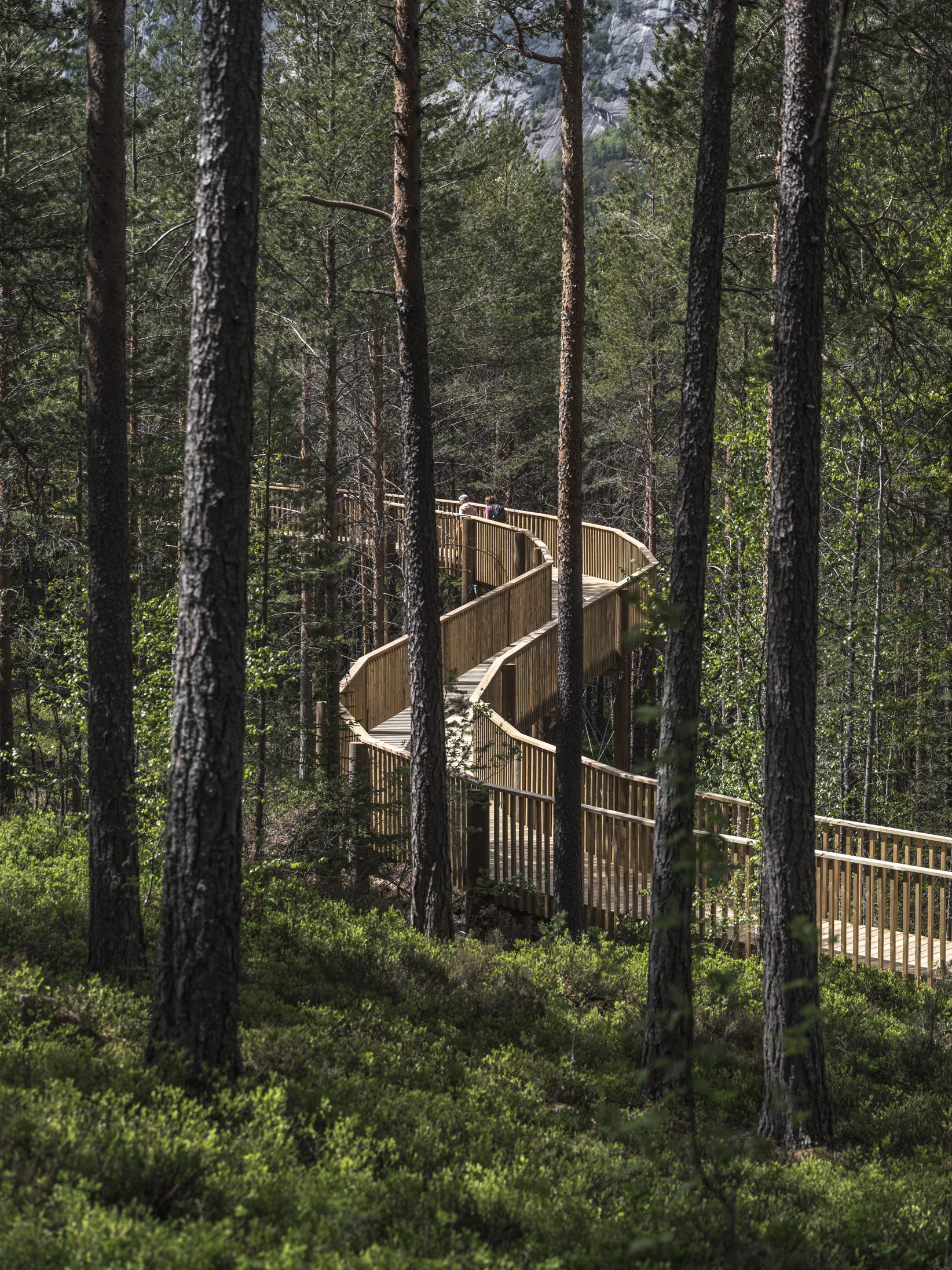 EFFEKT's treetop walkway across the Fyrsedal pine forest in southern Norway. Image: Rasmus Hjortshøj
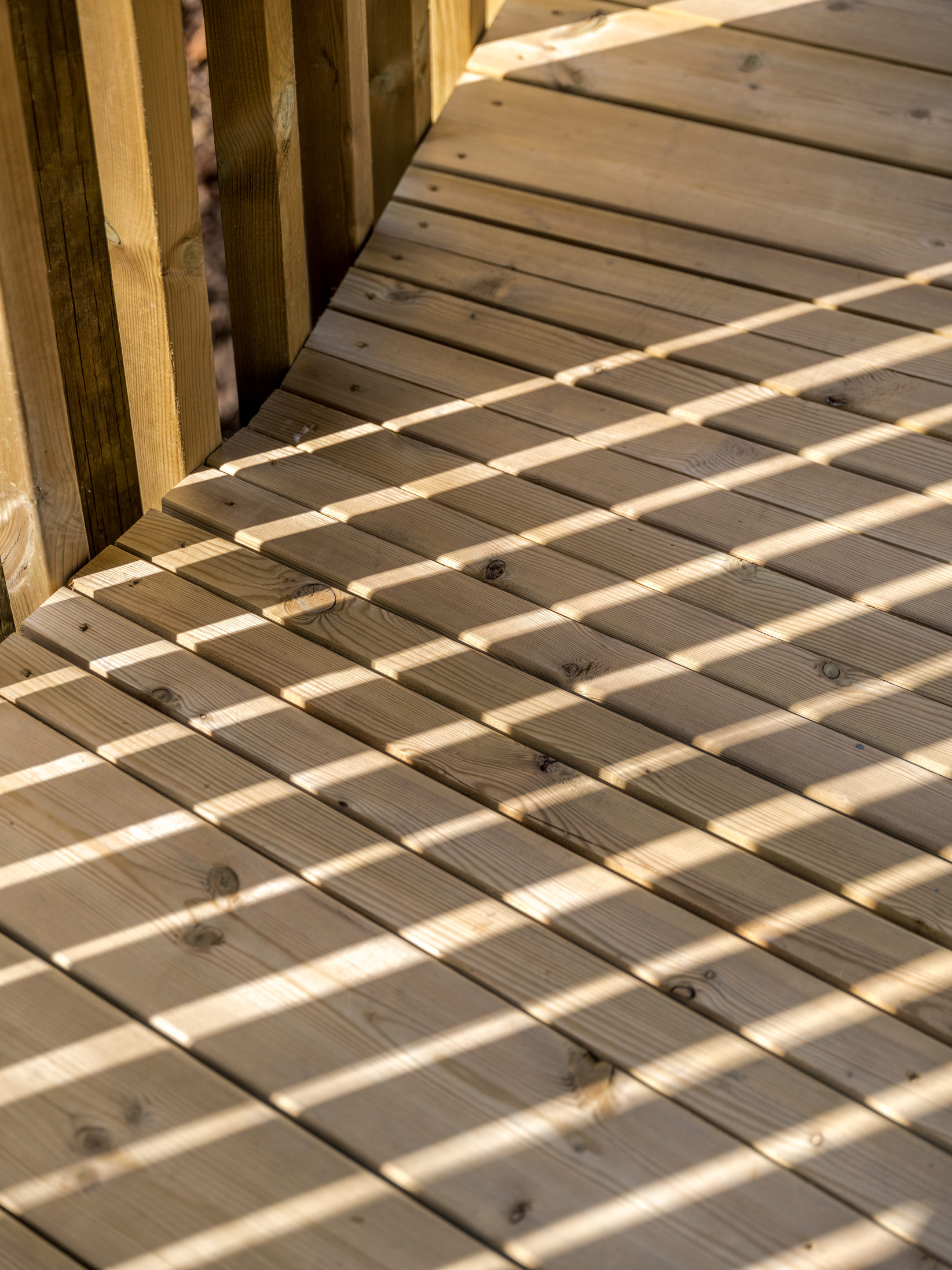 EFFEKT's treetop walkway across the Fyrsedal pine forest in southern Norway. Image: Rasmus Hjortshøj
What unites these projects is that nature is integral to their conception, not applied as an afterthought. And in each case, design centres the human experience and everyday use.
As Van Duysen puts it: “True luxury is not about excess or spectacle. It is about creating environments that support daily life in a subtle and lasting way.”
Main Image: The Genji Kyoto hotel's gardens are designed as extensions of its architecture.
Image credit: architect and chief designer Geoffrey P. Mousas and landscape designer Marc Peter Keane
A century of sound, design, and memory explored through an elegant reflection on acoustics as an emotional and architectural experience, in the enduring spirit of Bang & Olufsen.
The Future Perfect’s David Alhadeff and ceramicist Carmen D’Apollonio guide us through the cultural hotspots of the city they call home: Los Angeles.
Design historian Catharine Rossi explores the significance of circles, cycles and circularity for the way in which we live and design architecture today.


