browse by topics


As we approach the end of the year, the mind begins to turn towards the holidays, and all the opportunities they bring for families and friends to come together, break bread and celebrate. The holidays reveal the potential for meaning, joy and magic in our daily lives, but this emphasis on everyday enchantment was a topic pursued year round by Gio Ponti, one of Italy’s leading designers and architects of the 20th century. In this article, M Magazine explores Ponti’s relationship with the holidays through the objects that he created, as told by his grandson Salvatore Licitra, and supported by Elisa Ossino, an architect and interior designer, whose work shares key tenets with Ponti’s own practice. Together, they explore how we can live beautifully not only during the holidays, but all year round – just as Ponti intended.
In December 1951, Gio Ponti took out a white postcard and began to draw. Across the paper, his pen traced a simple chair, its tapered legs not dissimilar to those he had envisaged for the design of the D.151.4 armchair, created only a few years previously. Yet elsewhere on the postcard, reality slipped into something stranger and more wonderful. Sat atop Ponti’s chair, for instance, is not a person, but a glove. It perches bolt upright and looks out at the card’s recipient, bright lipstick marking out a mouth below its thumb, while an almond eye is stitched into its palm. Emerging from the bottom of the glove, meanwhile, a pair of legs flick out in seated repose, while its thumb and forefinger carefully balance a briar pipe. Instead of smoke, a series of words puff out in curlicues from its bowl: “Buon Natale, Buon 1952 – Happy Christmas, Happy 1952”.
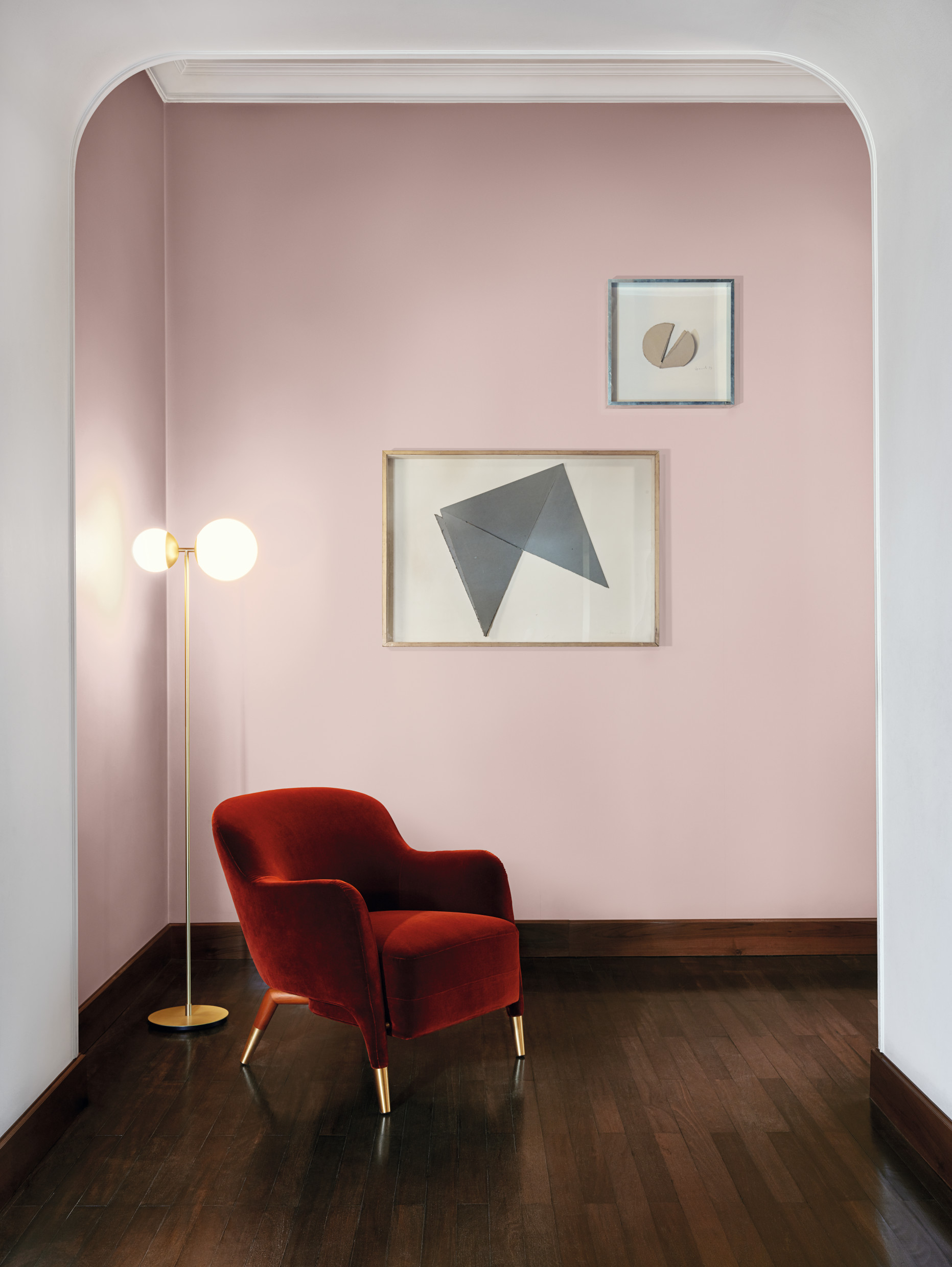
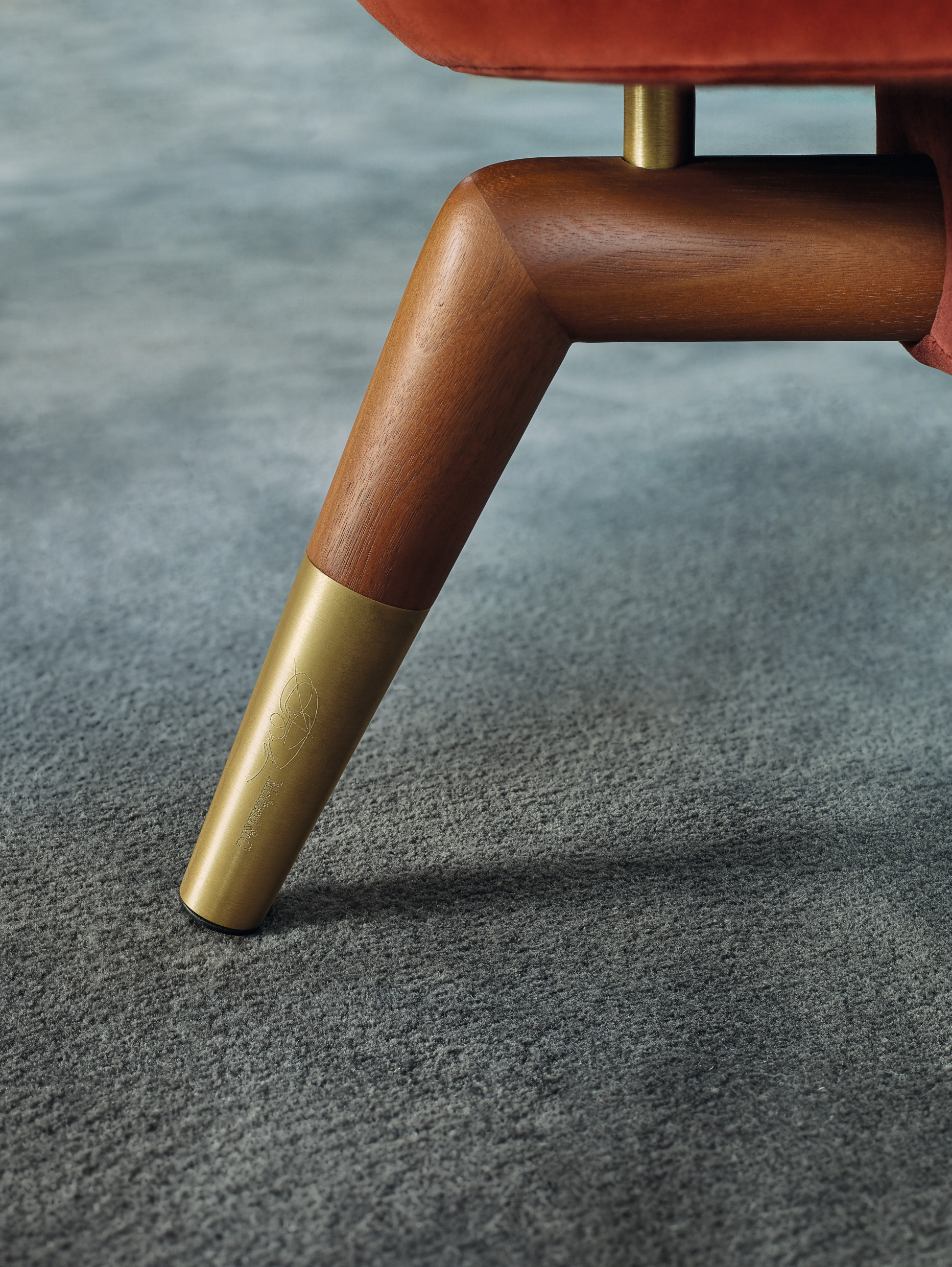
“It wasn’t that the holidays were particularly important to him,” recalls Ponti’s grandson Salvatore Licitra, the founder of the Gio Ponti Archives and custodian of his grandfather’s work, “but rather he loved taking the opportunity to send illustrated letters, where calligraphy and drawing could appear as siblings, sharing a common origin.”
Indeed, the 1951 Christmas card is one of many that Ponti created throughout his life – paper worlds that drew the recipient into Ponti’s imagination and artistry. To Licitra, Ponti’s reputation across 20th-century architecture and design – all of his work is rich in craft, playfulness, material understanding and deep empathy for how people wanted to live – is one that can be interpreted through the lens of theatrical performance and the idea that the modern world could become a stage for new ways of living that broke with the strictures of the past.
“His objects place their functional purpose in the background and instead aim to animate perception through their free, highly personal, and emotional point of view – much like what happens in theatre,” Licitra explains. “This theatrical, rather than purely functional, interpretation is actually a key to accessing Ponti’s vast body of work, from architecture to design, and can guide us in understanding his entire oeuvre.”
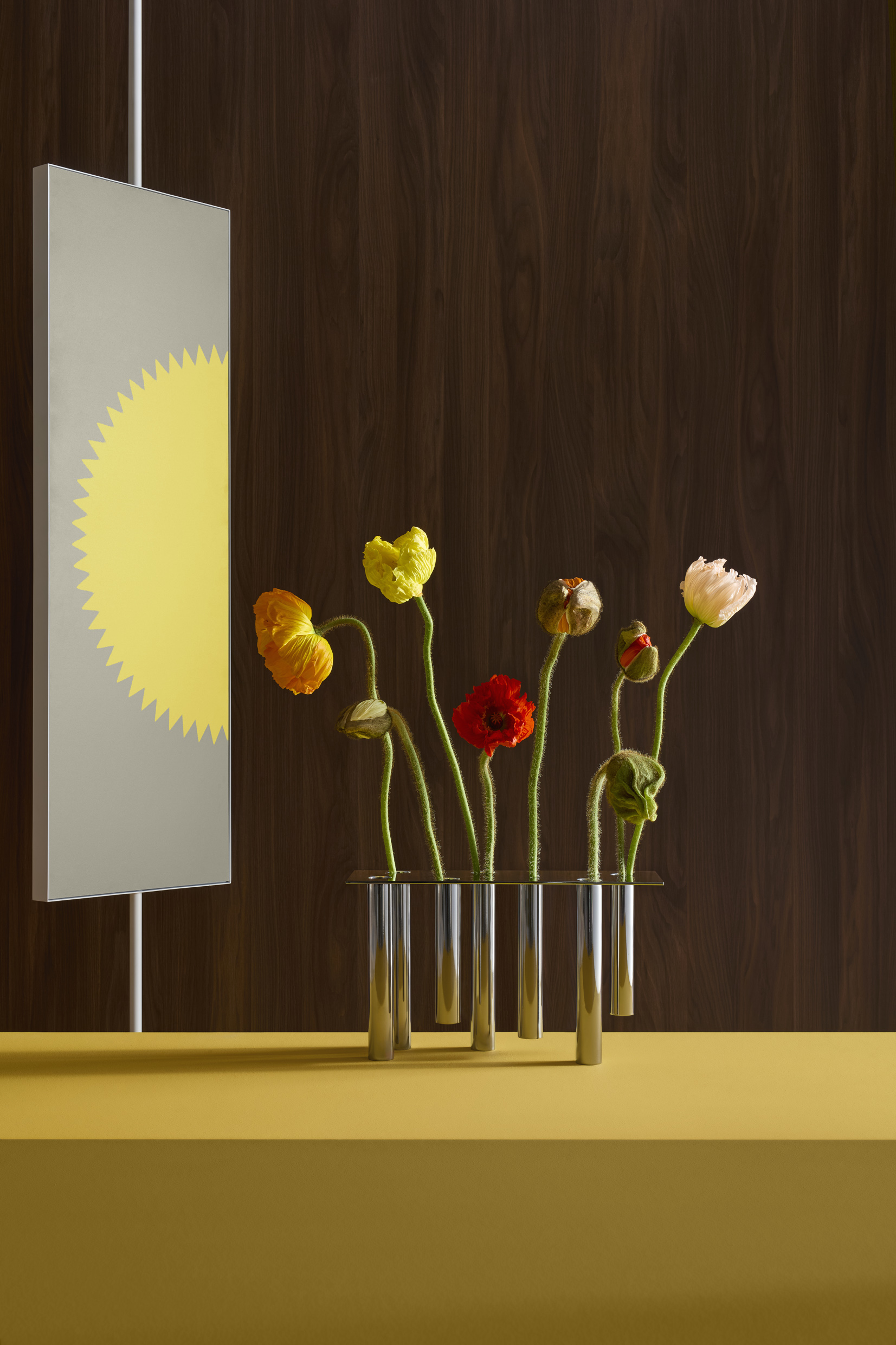 Pompei | vase, design Gio Ponti, courtesy of Gio Ponti Archives, creative direction Elisa Ossino Studio, ph. Aaron Tilley
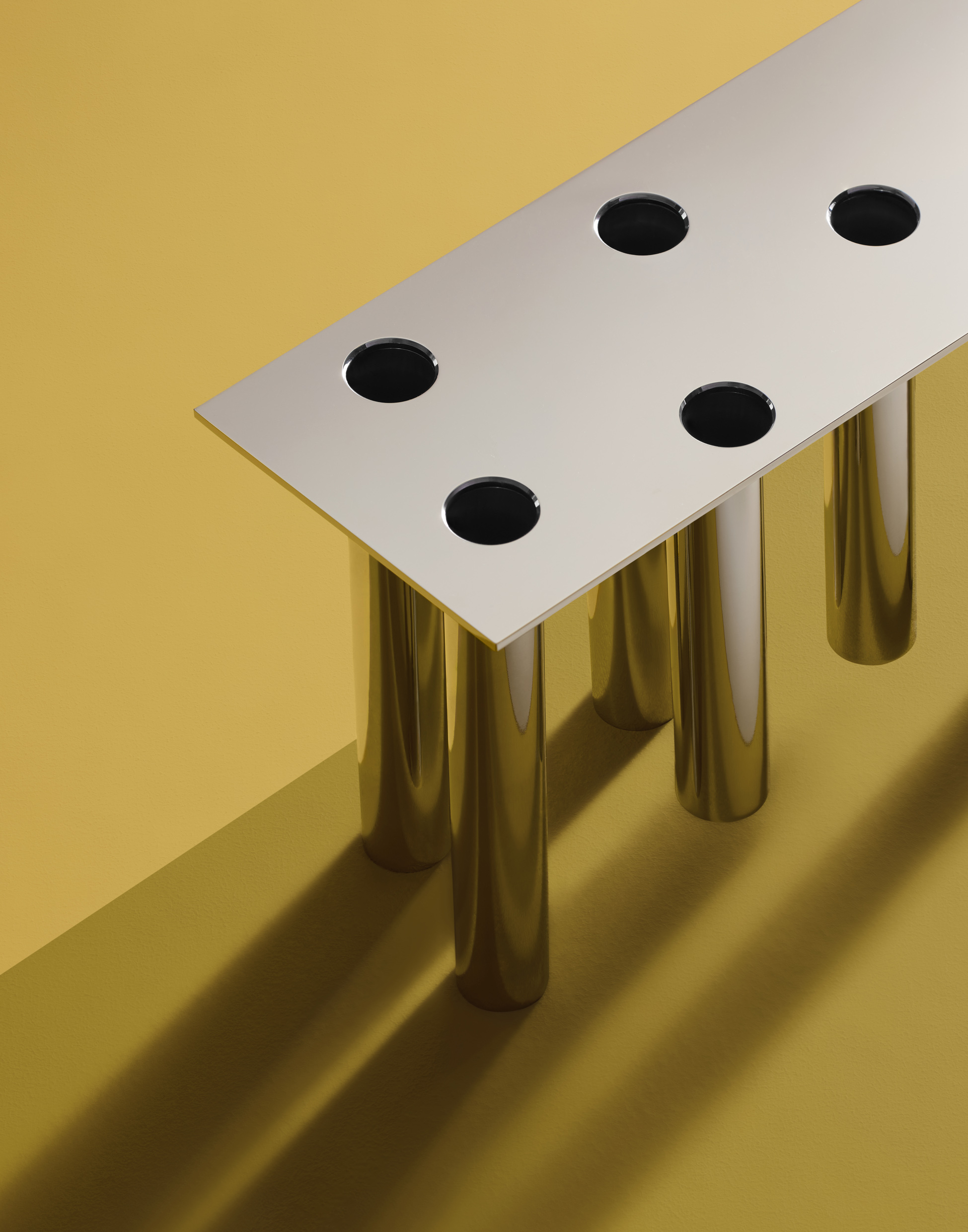 Pompei | vase, design Gio Ponti, courtesy of Gio Ponti Archives, creative direction Elisa Ossino Studio, ph. Aaron Tilley
Performance through design may have been a lifelong pursuit for Ponti, but for many people the holidays represent a time when theatre’s ideas of collective celebration, imagination and festivity come more naturally to the fore than they might throughout the rest of the year. Across the world, the holidays see people come together to celebrate with their loved ones, and everyday life becomes enchanted with new possibilities. It is a time of year that instinctively lends itself to Ponti’s approach to architecture, in which buildings were to be designed from the inside out, and focused around the ways in which people might live and interact with one another, uniting architecture, interiors and objects in a synthesis that captured his basic intuition that “the point of architecture is life.”
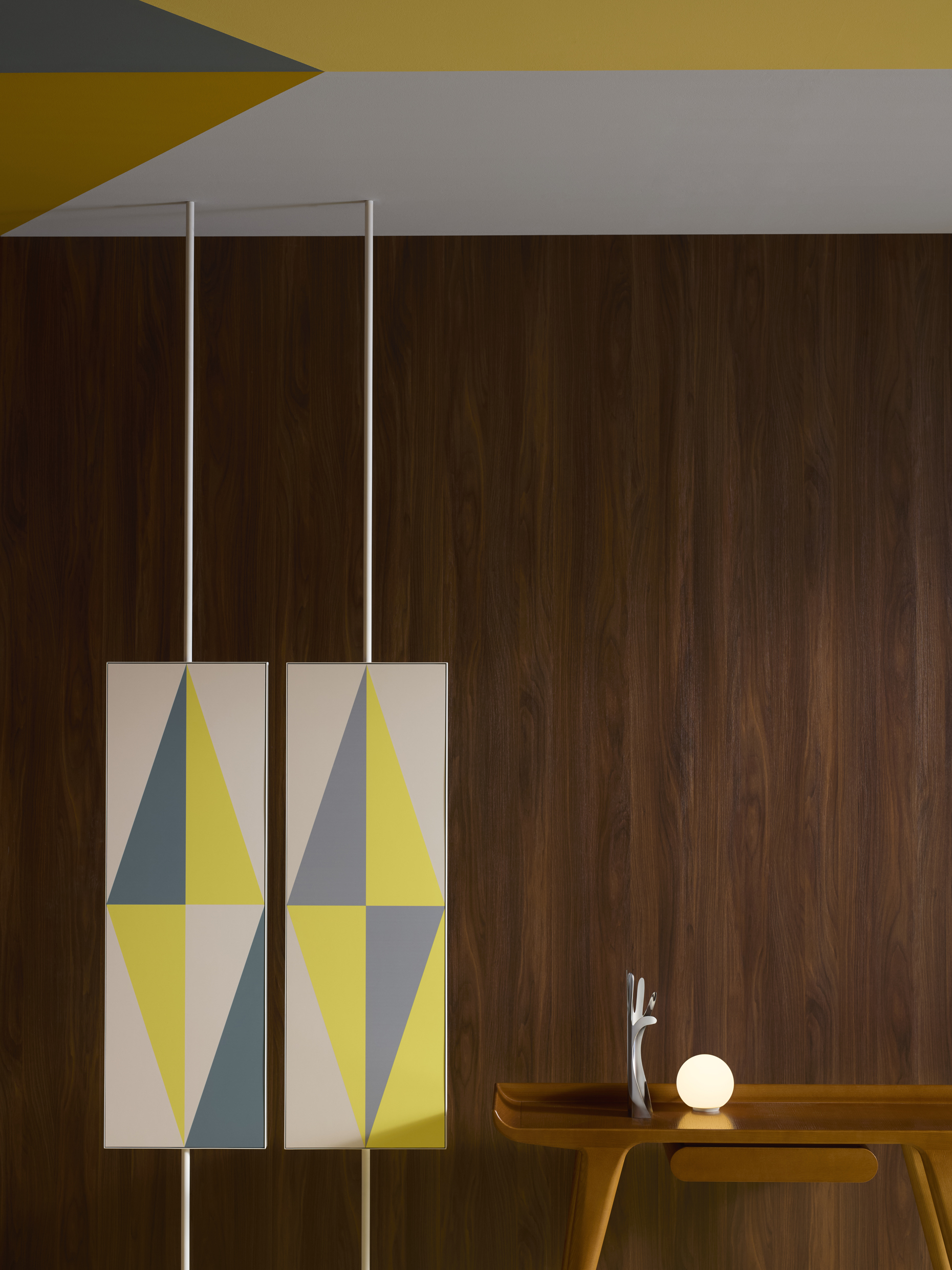 La Mano, design Gio Ponti, courtesy of Gio Ponti Archives, creative direction Elisa Ossino Studio, ph. Aaron Tilley
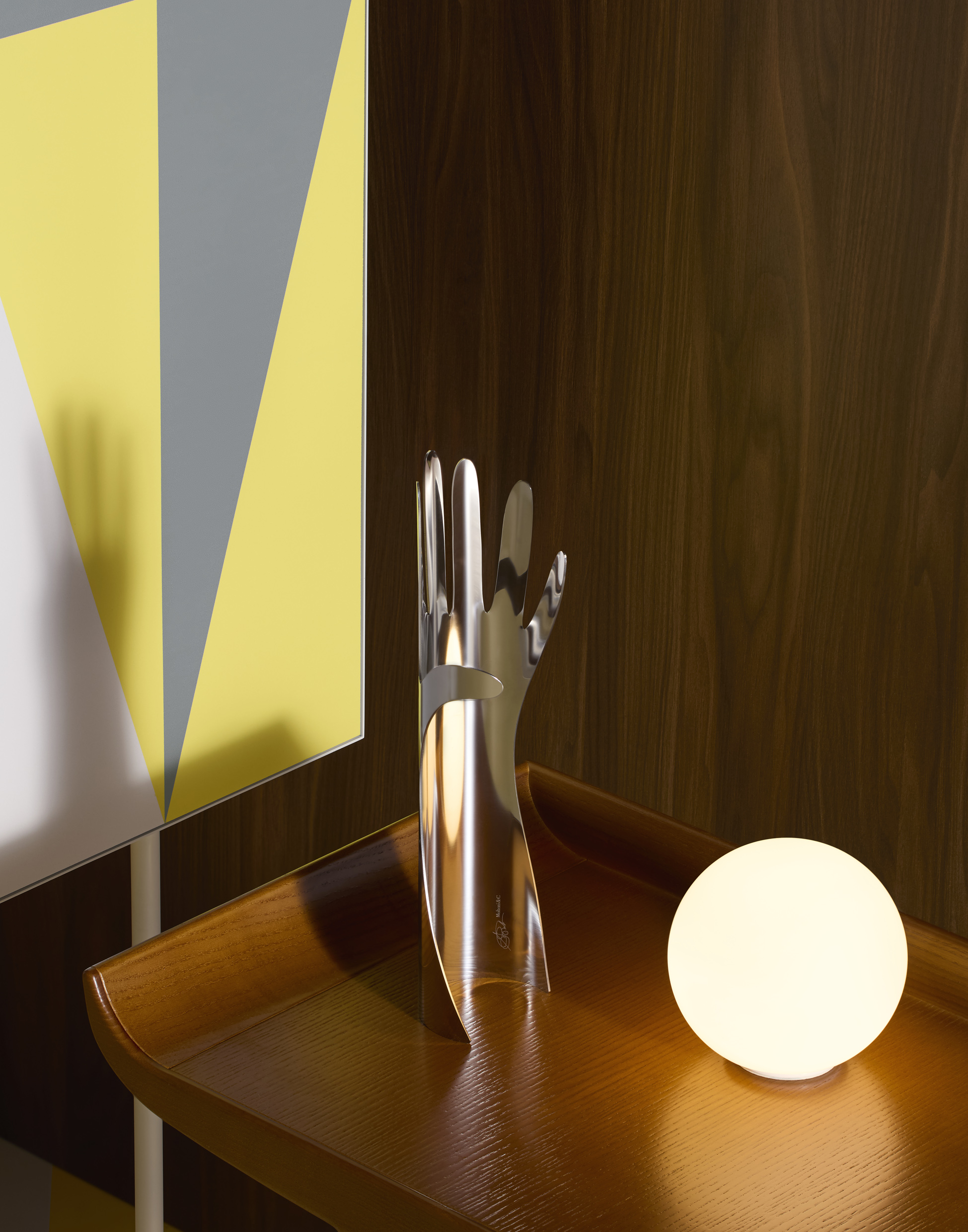 La Mano, design Gio Ponti, courtesy of Gio Ponti Archives, creative direction Elisa Ossino Studio, ph. Aaron Tilley
It was with this vision in mind that, earlier this year, Molteni&C released a new collection offering editions of a selection of the objects that Ponti designed throughout his life: the Cavallo and Colombo animal sculptures; the La Mano six-fingered hand; and the Bottiglie bottles, among others. As the year now draws towards its close, it is only right that these same pieces should step out from the wings and take centre stage across a newly curated collection of Ponti’s furnishings and objects that transform the home into a place to be shared with loved ones, and which invite anybody who enters to “live beautifully”.
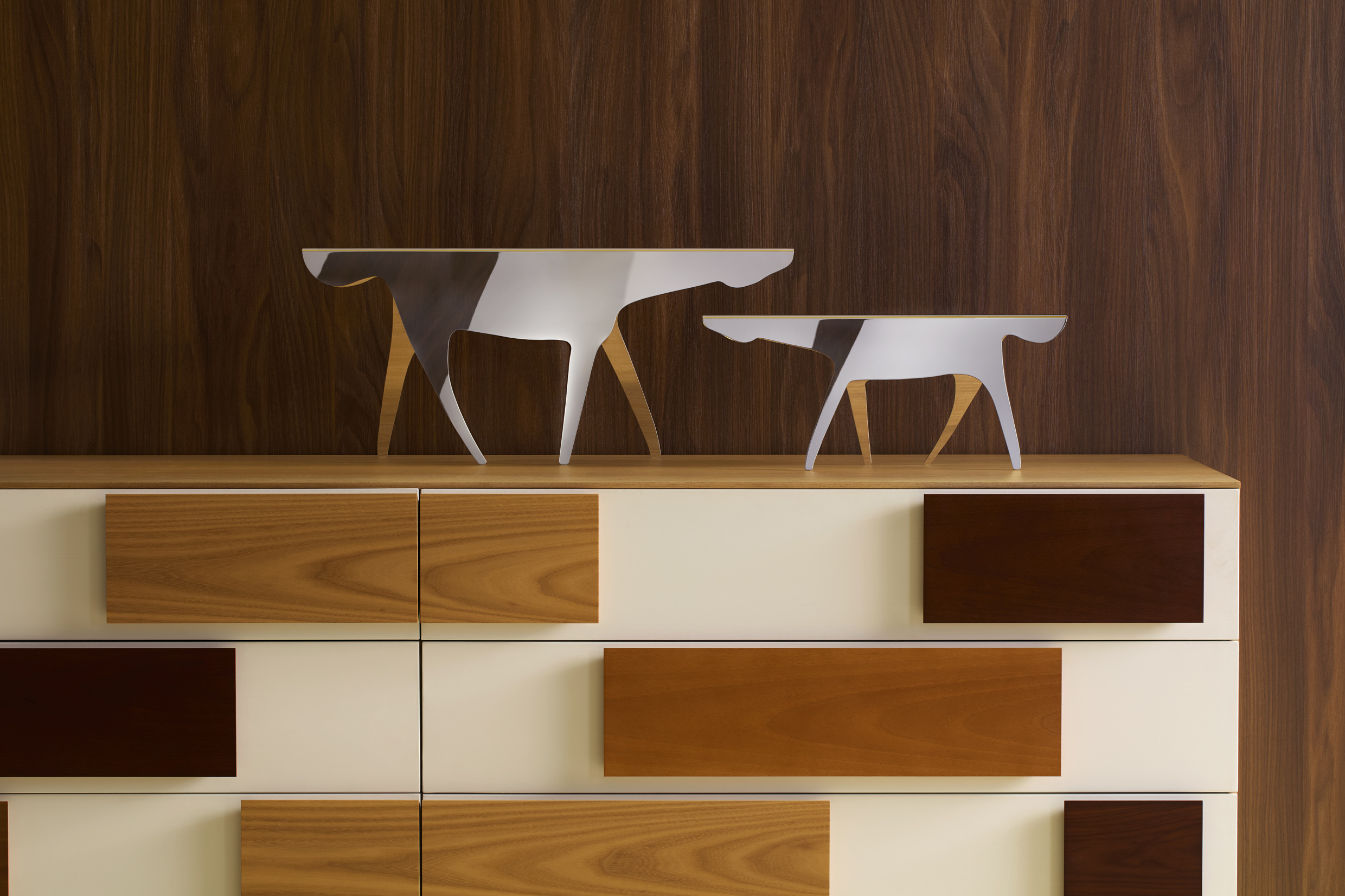
“When I return to my childhood memories of visiting my grandfather’s home, wonder was a common thread among all the objects that filled the crowded interiors,” Licitra recalls, “whether they were travel souvenirs, creations by artisans or artists, or those objects we selected for re-edition with Molteni&C because they were conceived to embody Ponti’s idea: to entrust our imagination with the meaning and value of the things that accompany our lives, whether they be architecture, art, or design.”
It is this sense of Ponti’s overarching vision for all areas of design, and the belief that a home should be considered a constantly changing work of art – one with its own rhythm, life, and consideration of every detail – that is expressed within the collection. It is an approach that is shared by Elisa Ossino, one of the people behind the campaign to support Molteni&C’s Gio Ponti Objects collection, whose work explores set design, art direction and interior architecture, and whose practice finds inspiration from, as well as common ground with, Ponti’s own practice.
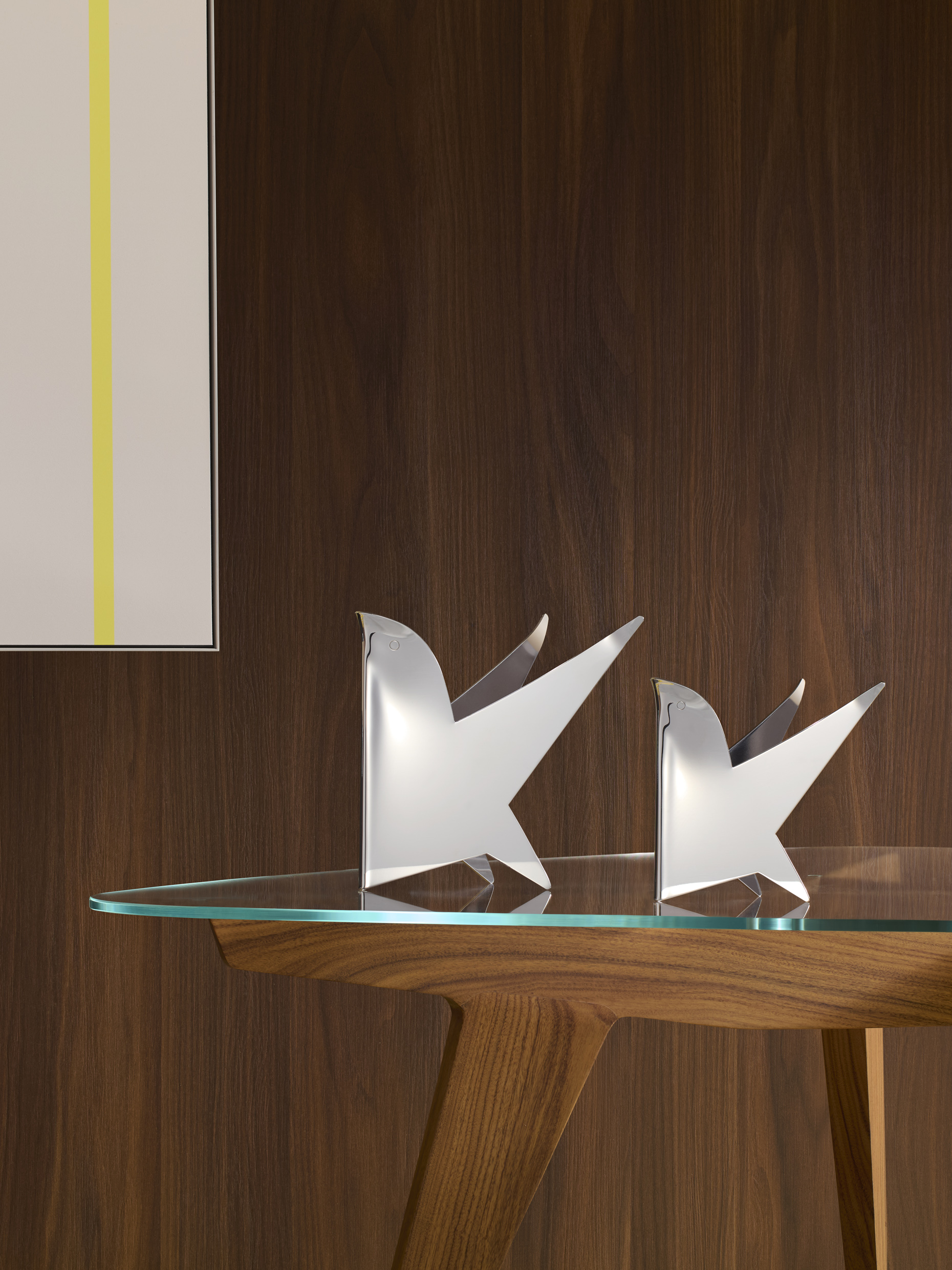 Colombo on D.552.2 | small table, design Gio Ponti, courtesy of Gio Ponti Archives, creative direction Elisa Ossino Studio, ph. Aaron Tilley
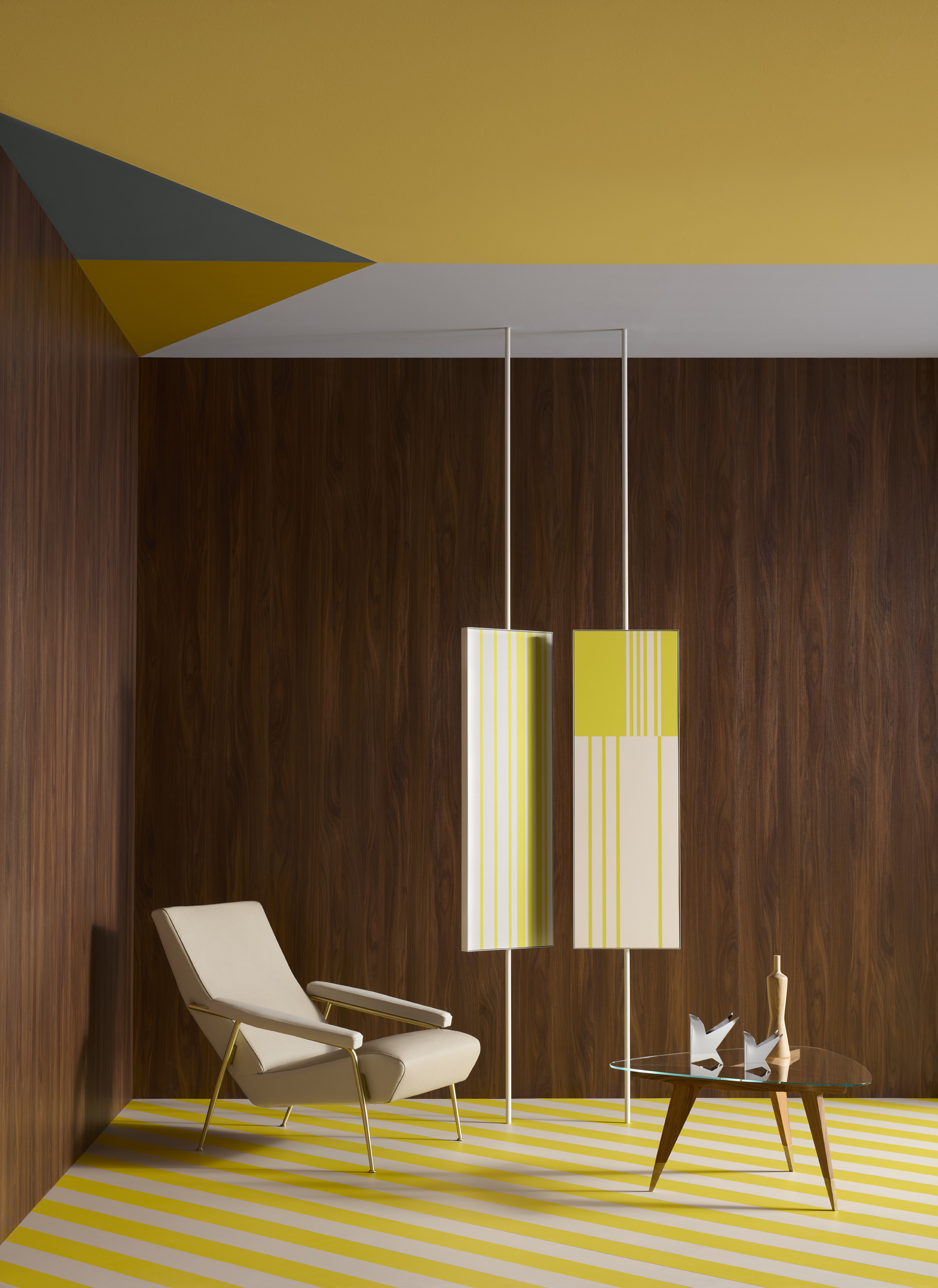 Colombo on D.552.2 | small table, design Gio Ponti, courtesy of Gio Ponti Archives, creative direction Elisa Ossino Studio, ph. Aaron Tilley
“I want to reinterpret Ponti’s work not as a legacy to be preserved, but as a living language still capable of generating new forms and meanings,” she explains. “To live beautifully, for me, means surrounding oneself with inspiring elements that elevate everyday life. In this sense, Ponti’s approach is a true lesson. He reminds us that beauty is not a luxury, but a way of thinking and inhabiting the world.”
In the new holiday installation, created by Molteni&C to celebrate the Ponti collection, a birch counter hosts a cavalcade of Ponti’s objects, set against a series of geometric patterns. These patterns have been designed to recall the motifs of Villa Planchart, the home that Ponti created for Anala and Armando Planchart in Caracas, Venezuela, and the building which best expresses Ponti’s belief in the integration of architecture and interior design to generate beautiful, transformative living spaces – he oversaw every element of the private residence’s creation, collaborating with local craftspeople to produce custom furniture, light fixtures, and artwork specifically for the villa. In Molteni&C’s interpretation of the villa, this approach transforms into geometries of coloured triangles and rhombuses that construct a space that doesn’t simply display objects, but which can stage a dialogue with them. Here, the interpretation of Ponti’s work as everyday theatre becomes apparent, with every element in conversation with one another, all in celebration of the manner in which design can support and enrich people’s lives.
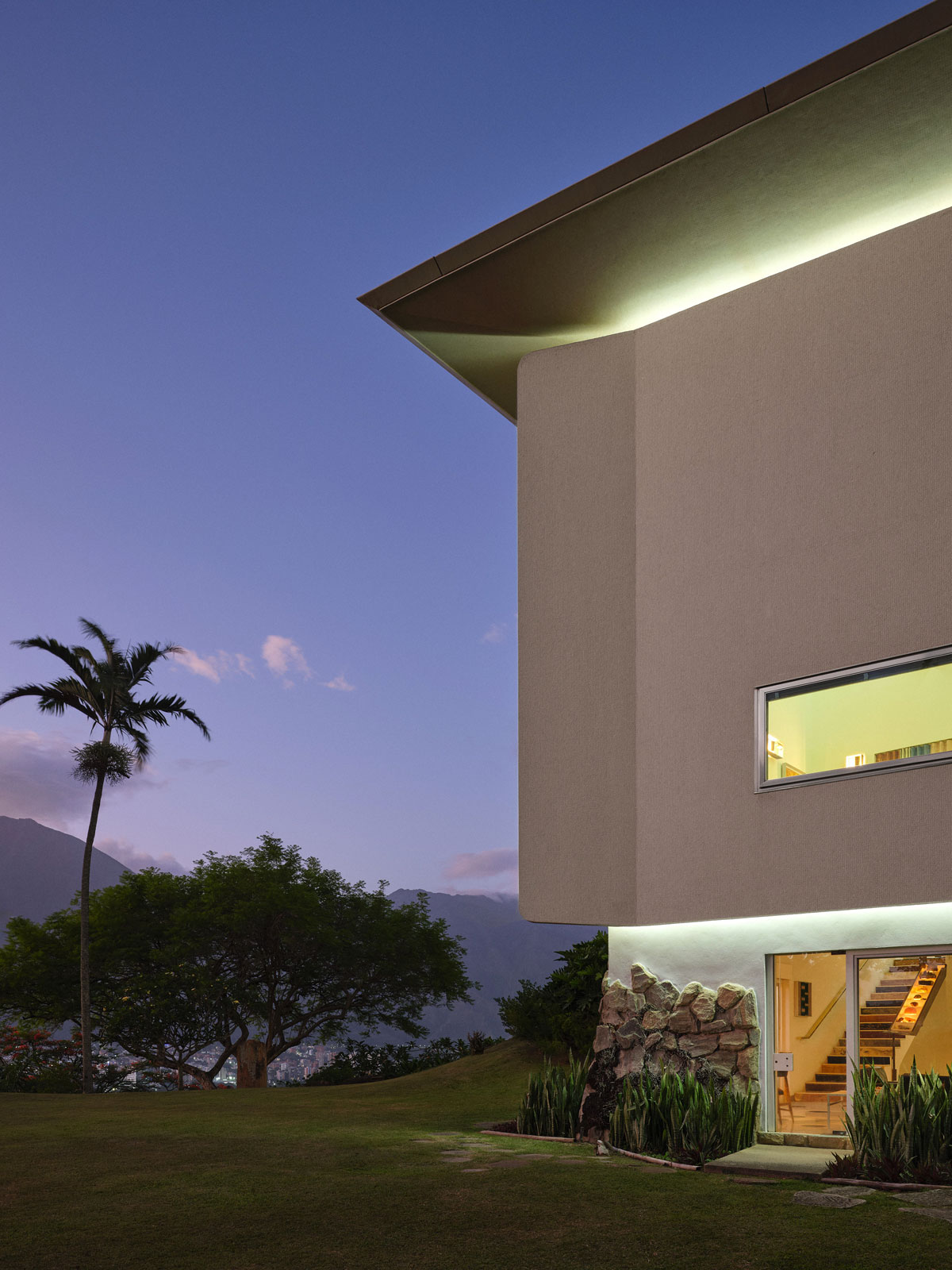 Ponti took great care to create an atmosphere on the top of the hill reminiscent of a lantern
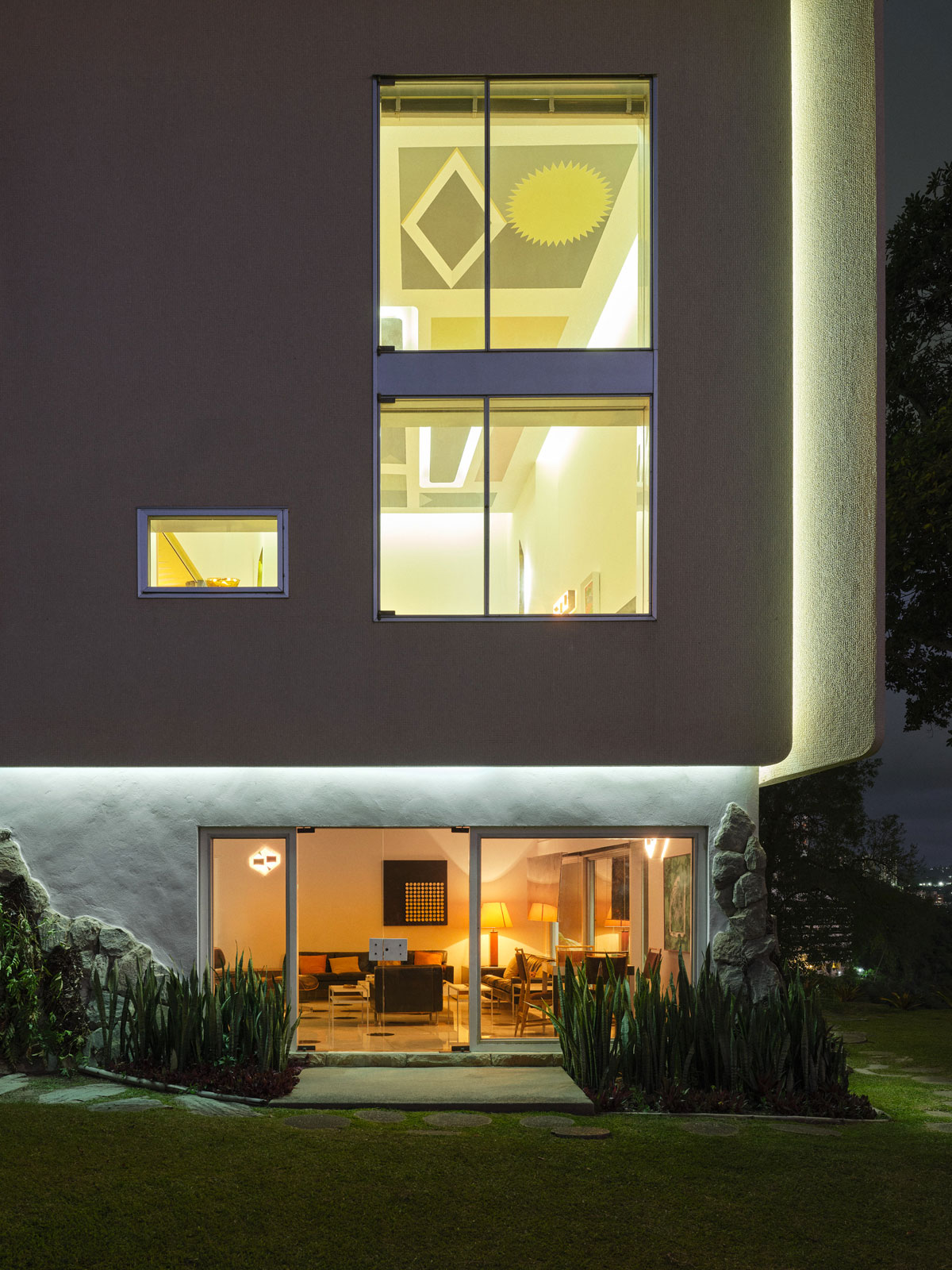 Ponti took great care to create an atmosphere on the top of the hill reminiscent of a lantern
“Ponti’s objects carry a discreet yet powerful presence,” Ossino explains. “They establish a dialogue with both the space and its inhabitants. They add lightness and a sense of everyday harmony, built on proportions, rhythm, and light.”
In this spirit, Molteni&C’s collection of Ponti’s objects speak to the enduring appeal of these qualities, which hope to add both elegance and character to a home.
“Ponti’s objects do not belong to a specific era but to an idea of design centred on balance and lightness,” Ossino says. “Their strength lies in simplicity, in that clarity of design that never ages because it stems from a profound intuition: creating beauty that is accessible, never merely decorative, but always essential.”
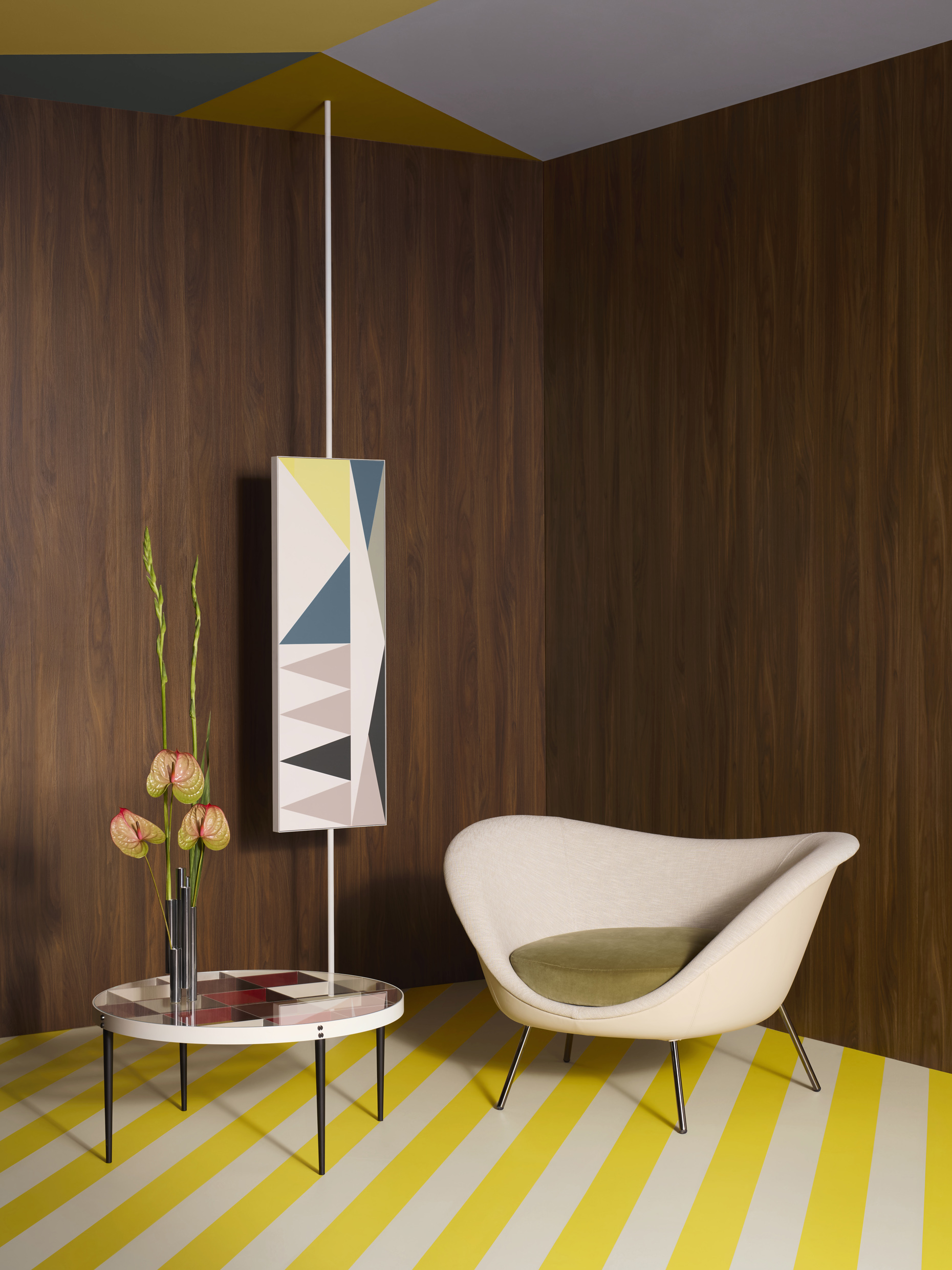 7Tubi | vase, design Gio Ponti, courtesy of Gio Ponti Archives, creative direction Elisa Ossino Studio, ph. Aaron Tilley
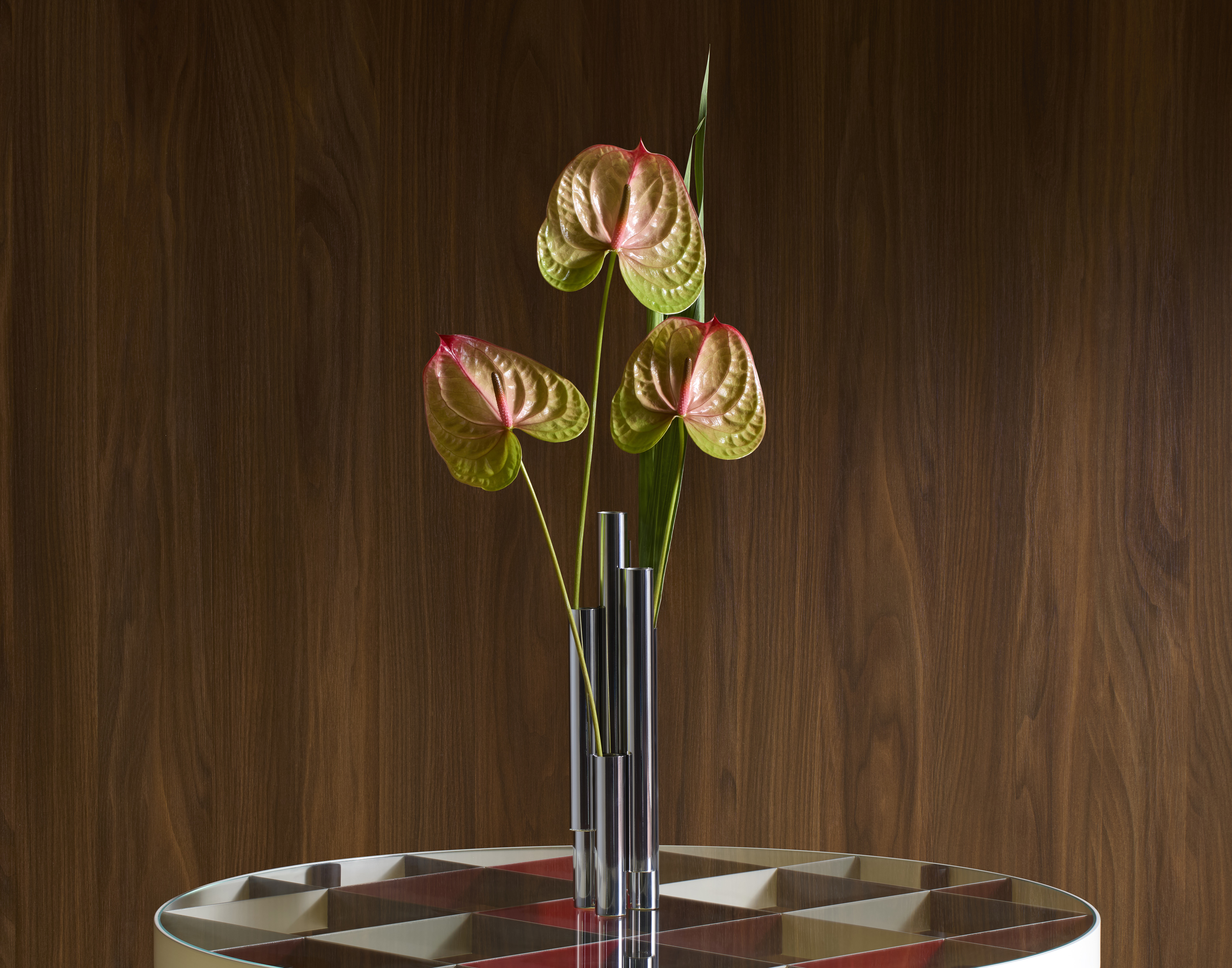 7Tubi | vase, design Gio Ponti, courtesy of Gio Ponti Archives, creative direction Elisa Ossino Studio, ph. Aaron Tilley
As the holidays draw people together, and remind us of the joy, support and love that can spread throughout a home, Ponti’s work expresses how we can all live beautifully and come to share its creator’s belief in the artistry of the everyday.
“Seeing the home as a living work of art means envisioning space as something sensitive and ever-changing, a place that breathes together with those who inhabit it,” Ossino explains, with her own work sharing Ponti’s belief in the capacity of objects and spaces to “evoke symbolic and intimate meanings, in deep dialogue with those who experience them.”
It is these same principles that caused Ponti himself to regularly return to particular motifs across his design, with many of his objects either referencing or explicitly styled as animals, or else human hands presented in the same fashion as the 1951 postcard.
“What’s important is that both hands and animals are instantly understandable and ‘readable’ by anyone, anywhere in the world,” Licitra explains. “The palette of Gio Ponti – the alphabet he used to express himself – was built from absolutely universal and accessible elements.”
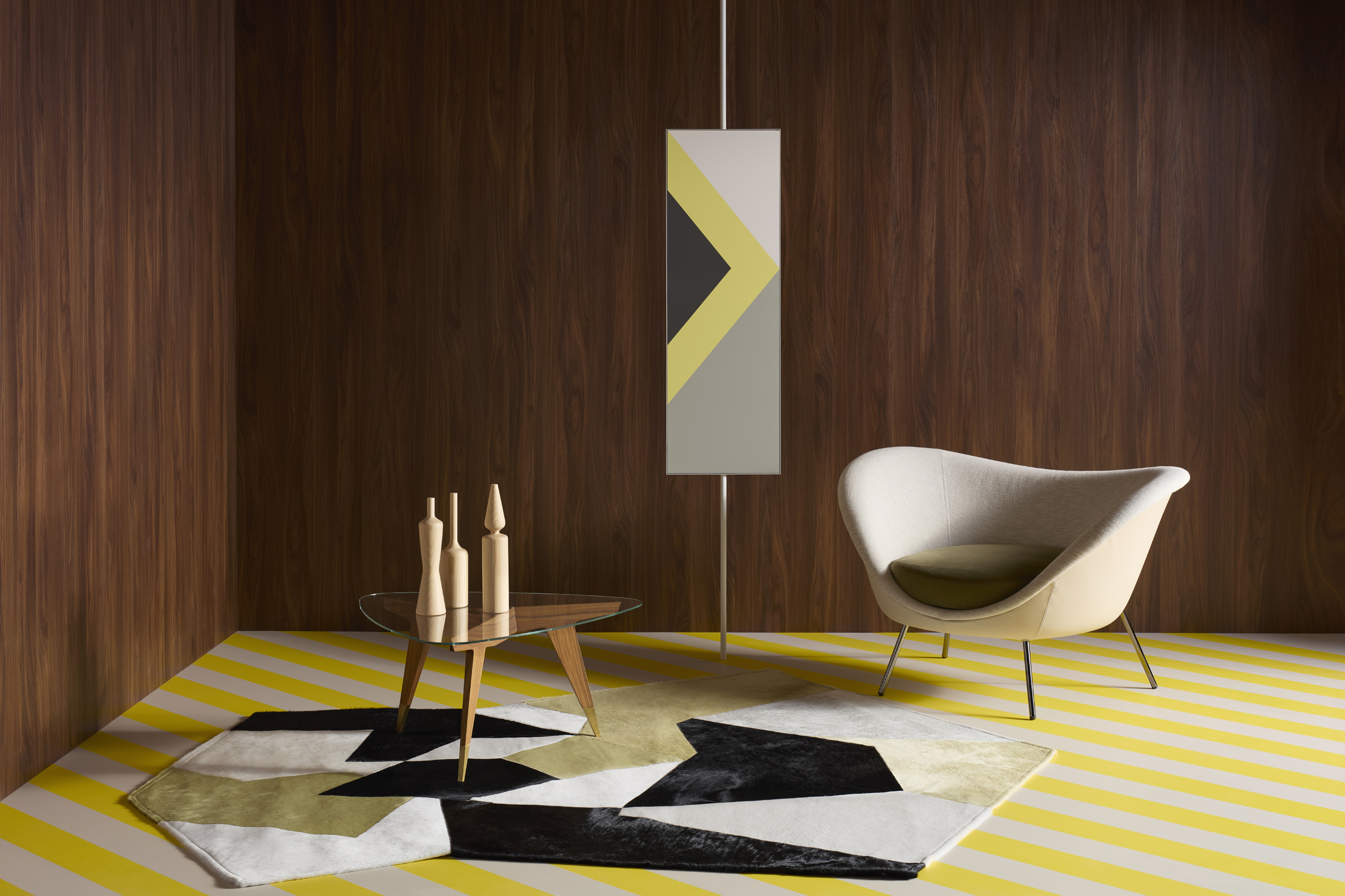
As we enter the holiday season, this lesson is worth remembering. Ponti showed how beauty should be made available to all, and that living beautifully is a way of being in the world – one that can encompass the spaces and objects we surround ourselves with, but also infuse something as simple as a pen sketching out a postcard.
With a career that spanned countless creative disciplines, Gio Ponti's object designes reveal teh Italian master's lifelong commitment to craft, tradition and contemporary industry.
Discover the history of Villa Planchart in Caracas, Venezuela, as we celebrate the Compasso d’Oro Career Award for Products for Gio Ponti’s D.154.2 armchair.
Like many of Gio Ponti's other pieces, the D.154.2 was conceived for a private client, the collectors Anala and Armando Planchart, as part of the project for their villa in Caracas, Venezuela.


