browse by topics

Filmmaker Luca Werner is known for the sensitivity and nostalgia with which he approaches the everyday. Rumpled white bedsheets, a ladybird crawling across a boy’s hand, and people slicing pears or riding escalators are all treated with meditative fascination.
Having gotten his start through filming extreme sports, Werner’s work is defined by movement, from silhouetted swimmers in Palazzo (2020) to underwater bodies in Pools (2024). This motion extends to his commercial work, where he has filmed Spanish tennis prodigy Carlos Alcaraz’s shadow bouncing across the court for Louis Vuitton, and dancers Severin and Quirin Brunhuber’s synchronised choreography for Rimowa.
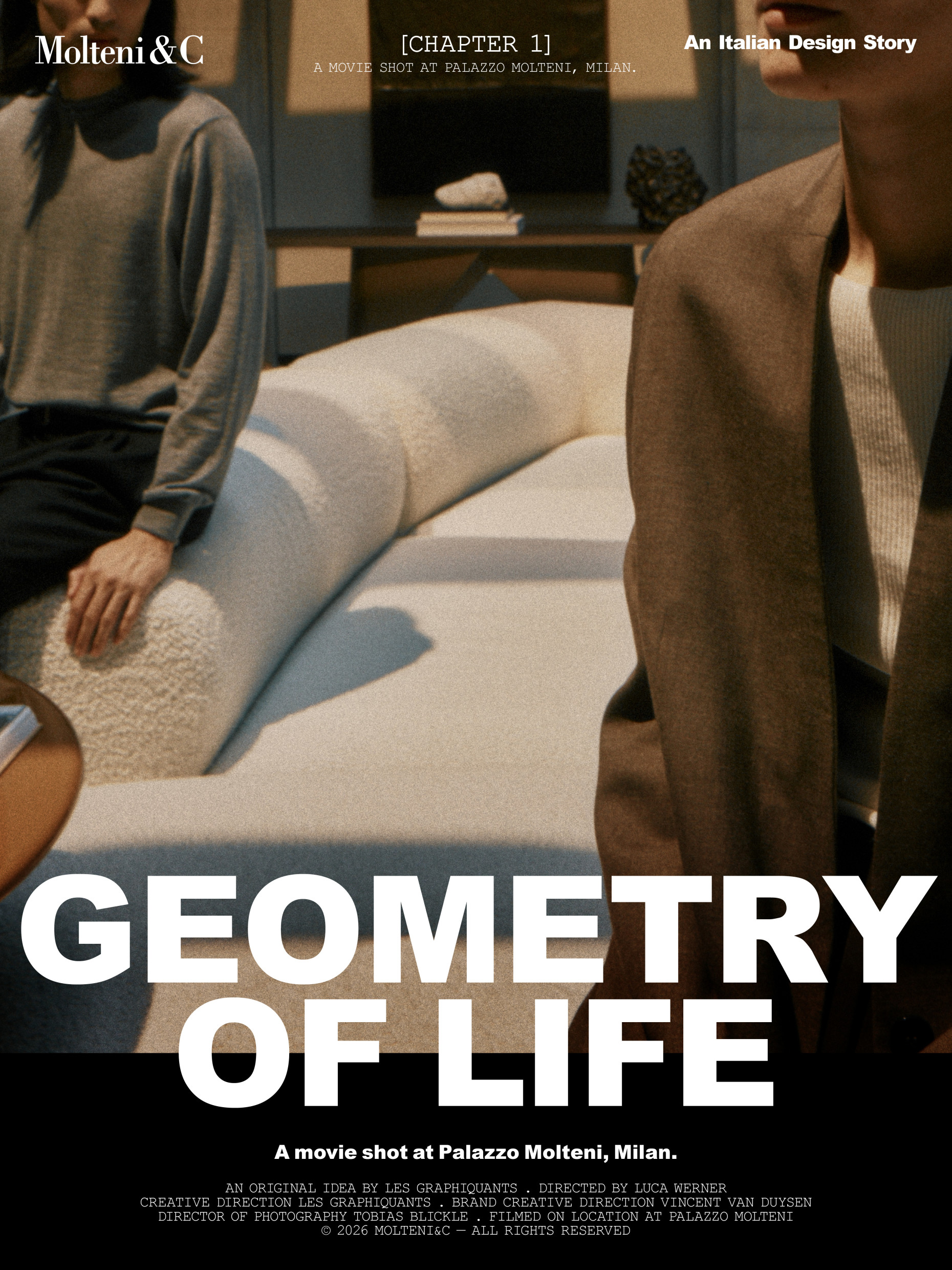
In his new short film Geometry of Life for Molteni&C, Werner uses his deep appreciation for graceful movement and life’s small details to infuse the Palazzo Molteni’s architecture and interiors with a sense of home. From the quiet intimacy of flicking the page of a book or resting an elbow on a sofa, to the gentle beauty of reflections on a mirrored wardrobe or a leaf drifting onto a skylight, Werner creates an atmosphere of warmth and wonder.
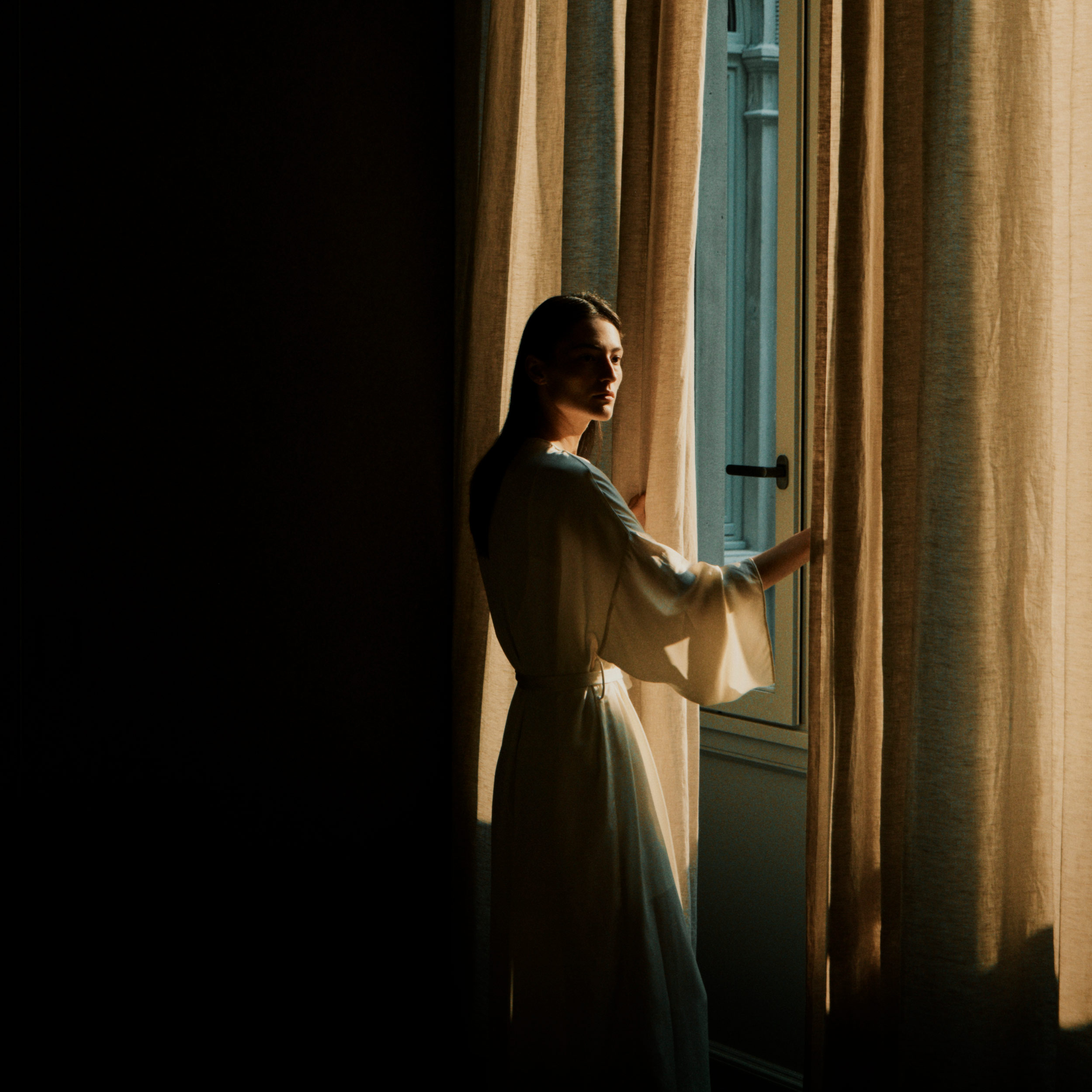 Images taken from Molteni&C's Geometry of Life campaign, directed by Luca Werner. Images: Maxime Tétard
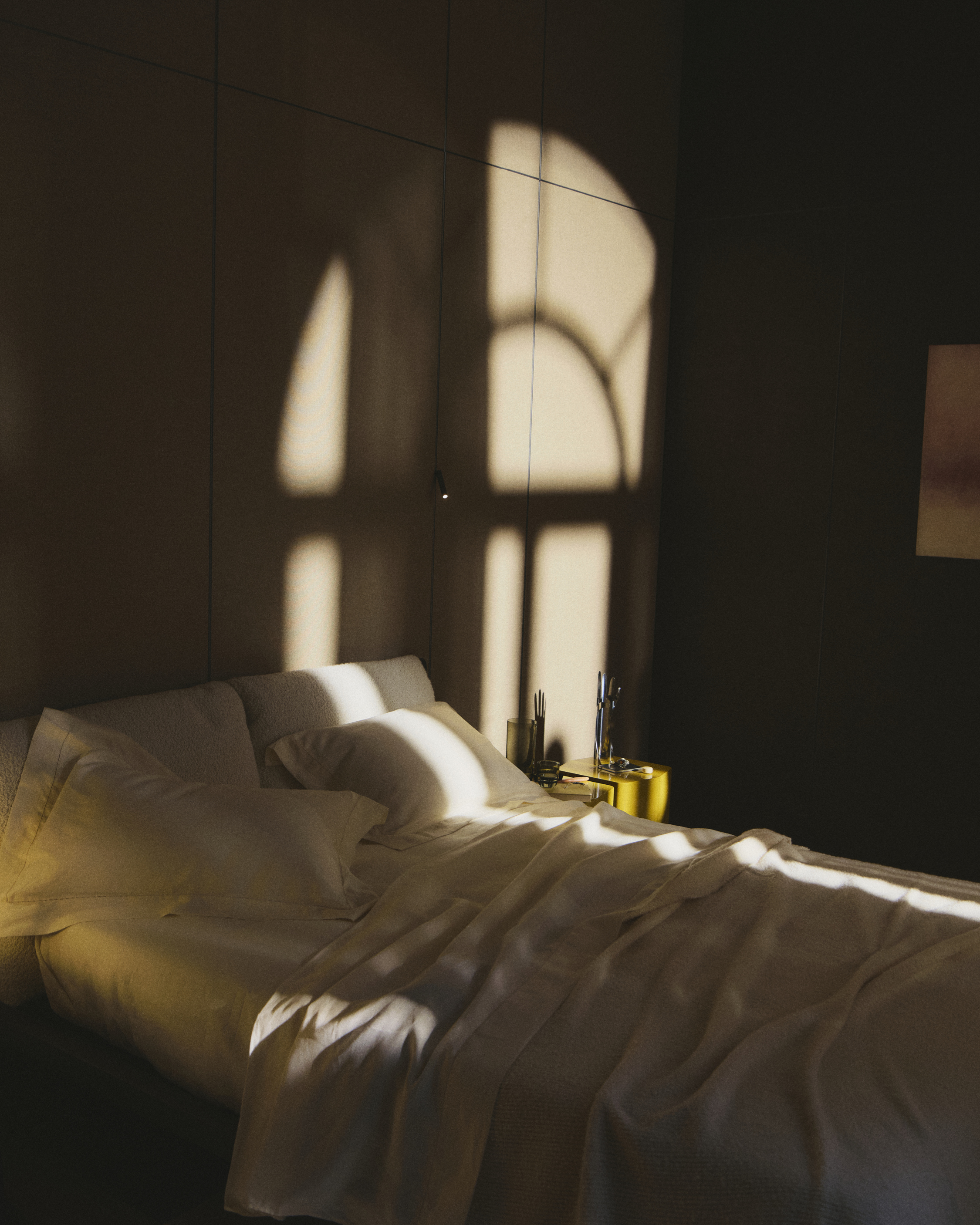 Images taken from Molteni&C's Geometry of Life campaign, directed by Luca Werner. Images: Maxime Tétard
How did you become interested in filmmaking?
I actually wanted to become a professional snowboarder from the age of around 14 to 16, and then unfortunately I broke my collarbone five times in a row – the doctors actually said that I needed to stop for two or three years. So my dream kind of faded away, because if you take a break there’s not really a chance to catch up, even when you’re that young. I was already filming my friends and myself with a GoPro, and I started to love these Red Bull videos and the feeling they created from having extreme sports combined with a certain type of music. I had some friends who did parkour and skateboarding, and so I went to Hong Kong to do roofing – where you climb on roofs, basically. I was able to take a camera with me, and that’s where the spark happened. It’s a bit of a cliché that when one door closes, another one opens, but I guess it’s the truth.
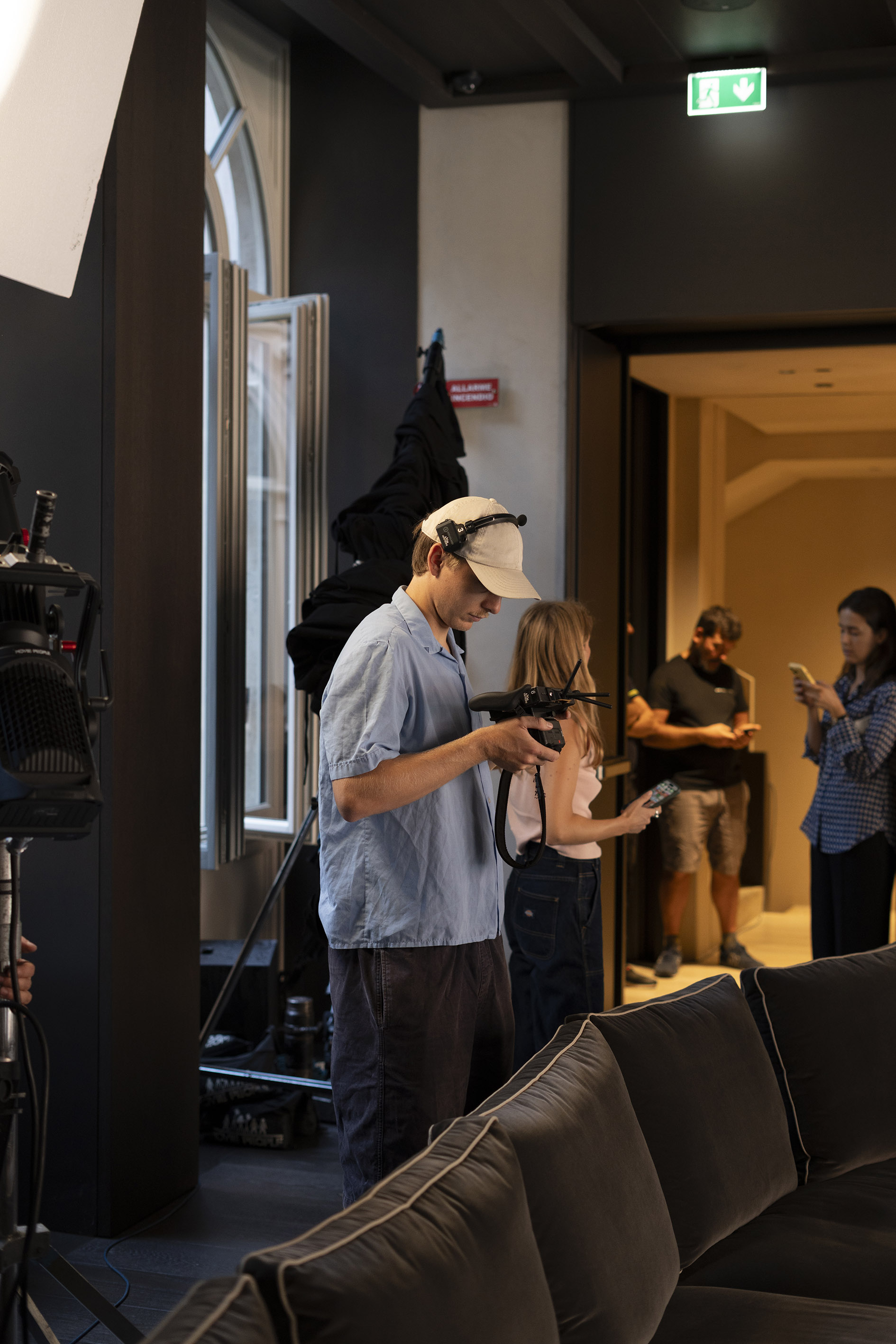 Behind-the-scenes shots from the Geometry of Life film
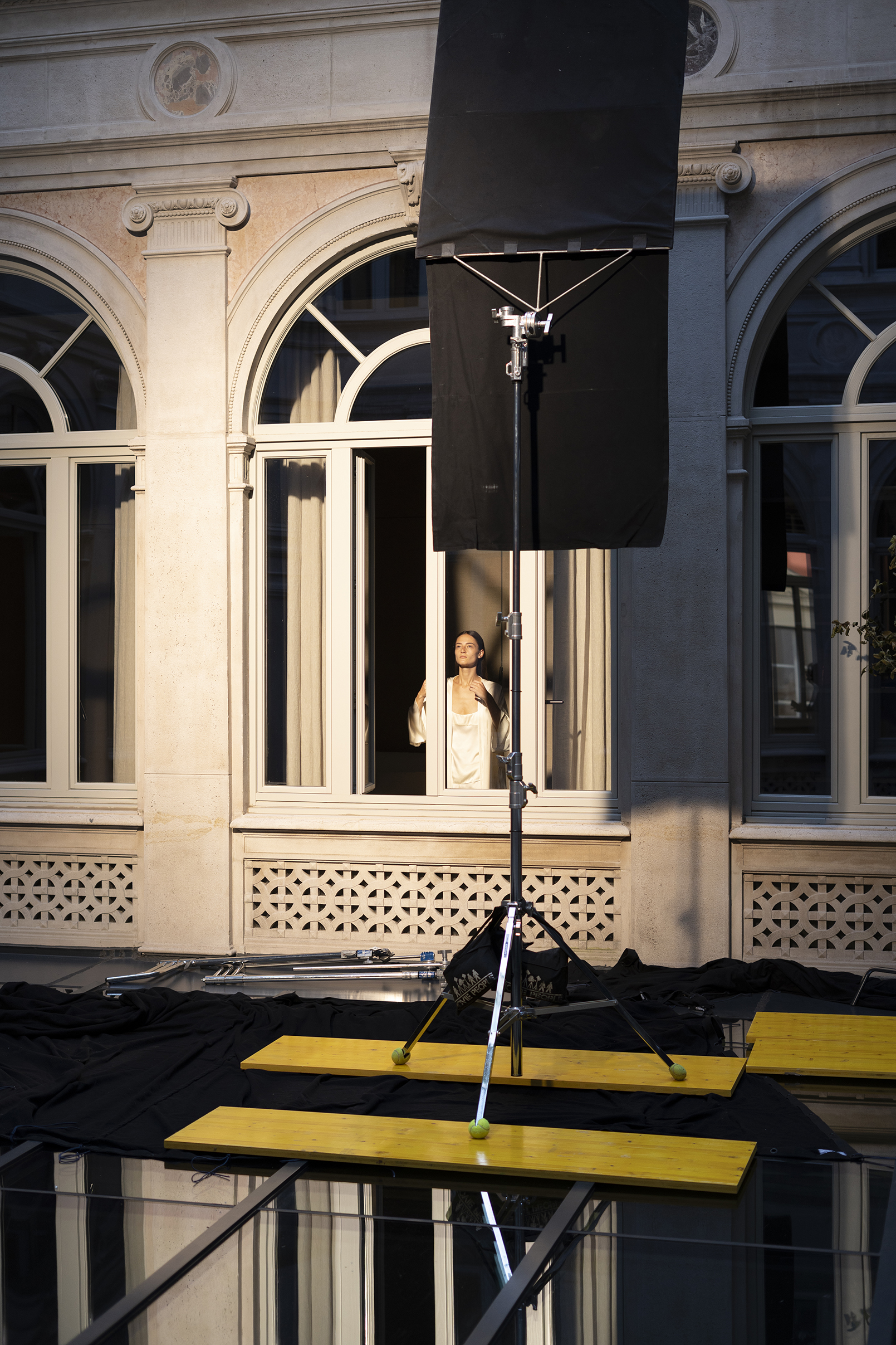 Behind-the-scenes shots from the Geometry of Life film
Which artists and filmmakers inspire you?
Well, I started filmmaking around when Vimeo was getting big, so that was the first time I saw videos of people skating or doing crazy stuff in the snow, but there was also an artistic point to it. When I was younger, I was a big fan of Mark Steinmetz’s black and white photography, but my references have changed as I’ve grown older. I remember back when I didn’t understand Wolfgang Tillmans’ pictures at all, but now I think there’s something very raw and honest about his photography, which not everyone manages. When it comes to video art, I’m really interested in Arthur Jafa and Cyprien Gaillard; when it comes to narrative film, probably Jonathan Glazer.
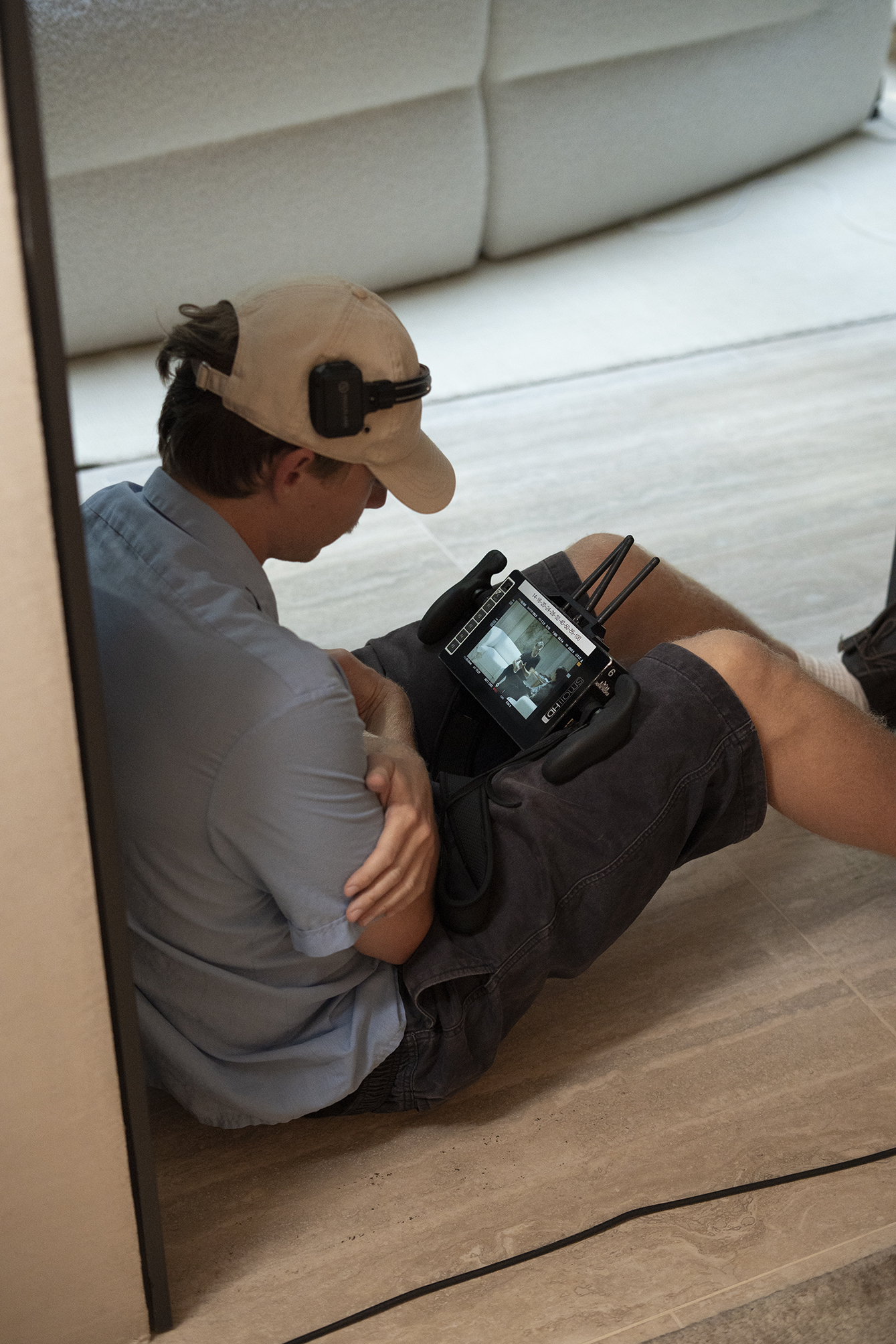 Luca Werner directing actors during the shooting of the Geometry of Life film
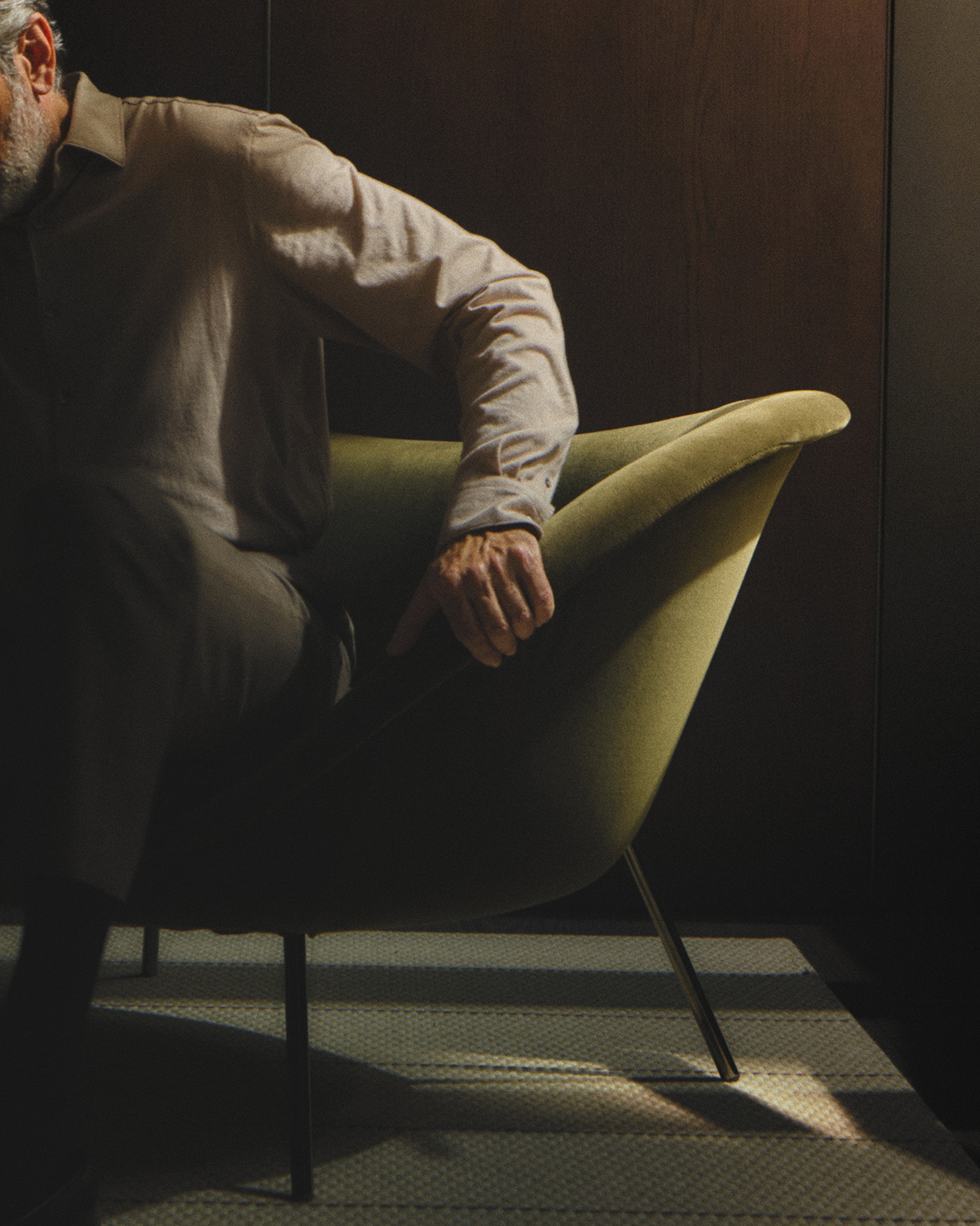 Images taken from Molteni&C's Geometry of Life campaign, directed by Luca Werner. Images: Maxime Tétard
What is the most impactful project you’ve worked on?
I did a video installation last year, Mayasume Trailers, together with a Japanese art collective [called] Mé, and it was basically three different stories of individuals in Paris, focusing on this overlooked poetry in everyday life. It was about what we are all struggling with right now: to stop and actually look around and see some light shining on your buttered bread in the morning, and there being something magical about noticing that. It was a very important project for me, because it was the first time I did a film longer than eight or nine minutes. It felt more complex, personal and artistic.
What is your creative process like?
When I start a project I like to spend time really feeding my brain with different things – images, texts and music. My references are never too literal – I think that’s a bit of a problematic thing about this industry: people are often just copying things – but maybe there’s some light that I really like, or the colour of a room. The way it works for me is that I have a certain type of music and images in my mind, and then I start to visualise the film in my head, which is really important. If you can’t imagine it, then it’s very hard to actually execute it. For Geometry of Life, for example, I listened to a lot of old Italian music to connect to the atmosphere of the Palazzo Molteni. We had this dressing room at the Palazzo, and I had watched a lot of old Italian films, which have scenes of people dressing themselves and listening to music. We tried to give [the film] this old-fashioned Italian flair, but without overdoing it.
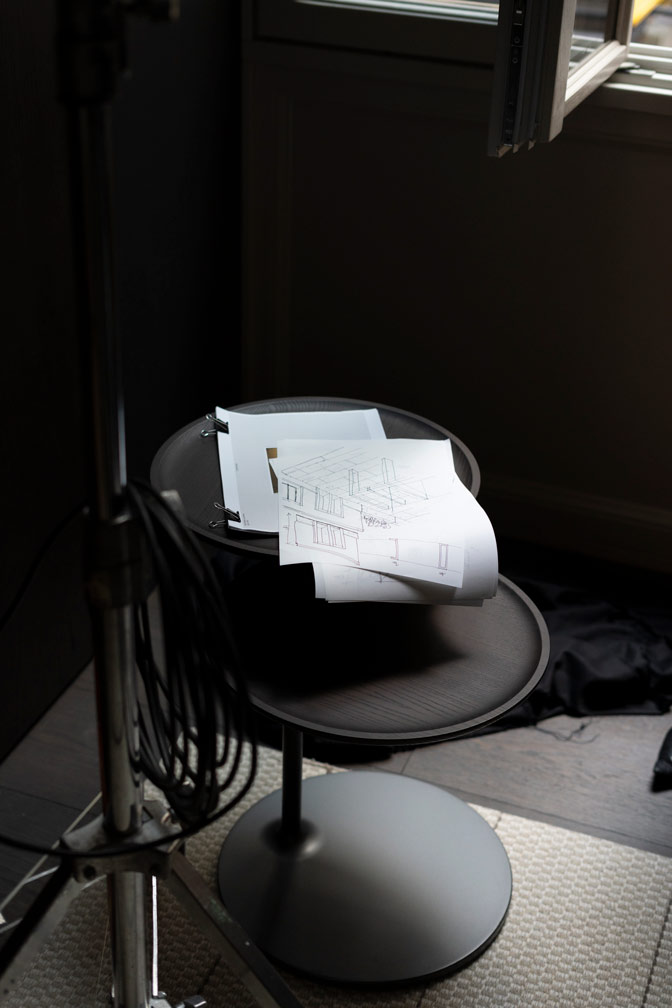 Behind-the-scenes shots from the Geometry of Life campaign
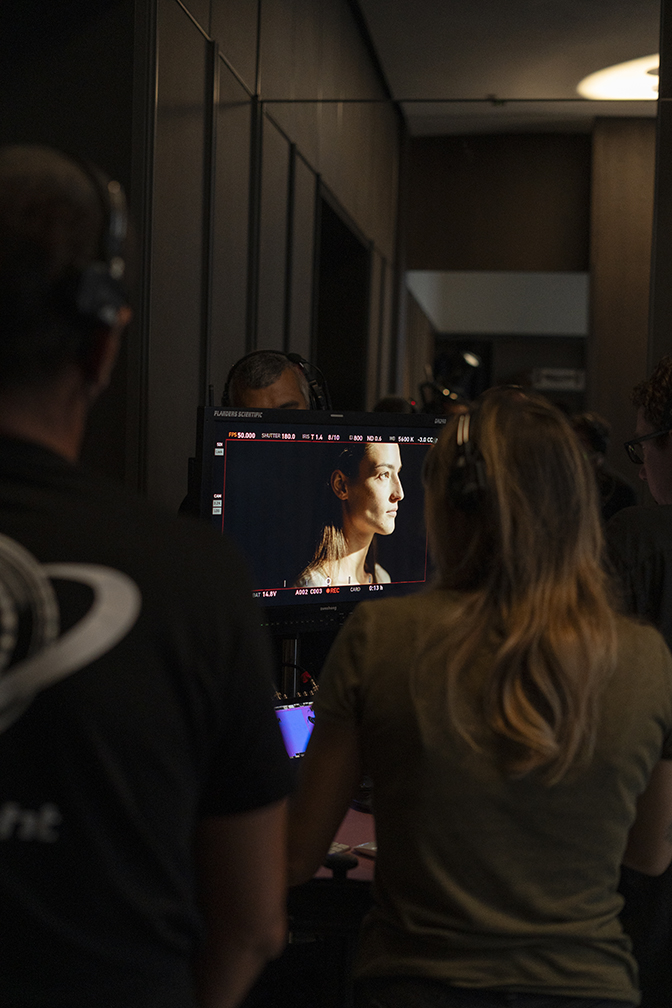 Behind-the-scenes shots from the Geometry of Life campaign
How do you create a particular mood or atmosphere in your work?
There’s just such a different feeling to different light scenarios – I mean, everyone knows that feeling when you wake up in the morning when the sun is about to rise, and there’s this timeframe which is quite magical. I think, funnily enough, you connect this type of light to certain memories in your life: maybe the first party where you stayed up until 6am, and suddenly the sun was rising. People have very strong memories connected with sunsets too, and I think there’s something very human about that. Another part is sound or music. I was reading Peter Zumthor’s book Atmospheres recently and he talks about how he will always remember the sound of pots and pans in the kitchen when his parents were cooking. Even the sound of an air conditioning unit really connects you to warm places – those are the kinds of things you can use to create a certain atmosphere.
What are some of the challenges of capturing a feeling of home on film?
A tricky part is identifying what type of person is living in that space – in the case of Geometry of Life, the idea was that he was an art lover. I really like when you’re able to create a narrative film that feels very honest and real, even when it comes down to things like pieces of paper on a desk or some jewellery next to the bed. These little things make it feel a bit more human, and there can be a quite beautiful aspect to having a bit of mess.
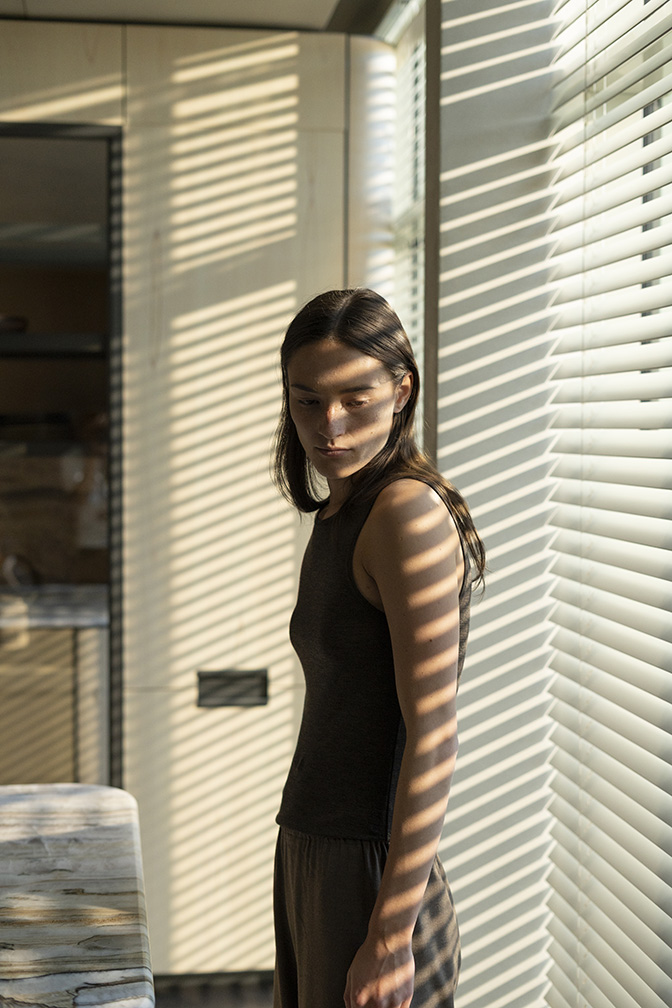 Behind-the-scenes shots from the Geometry of Life campaign
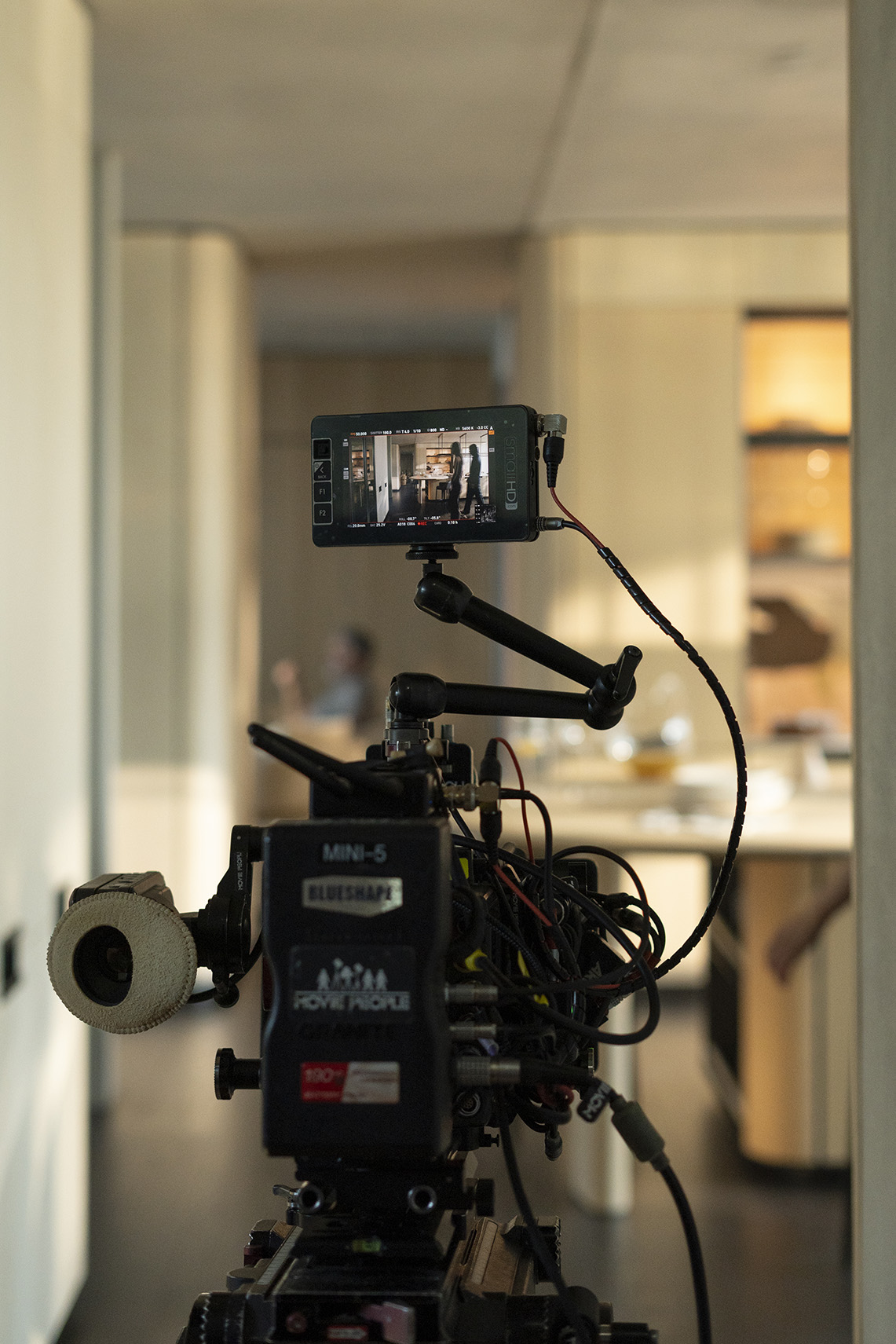 Behind-the-scenes shots from the Geometry of Life campaign
Why did you want to shoot the Geometry of Life campaign photography at the same time as you were making the film?
The idea was to create something a little bit different to other furniture campaigns, and to choose some more unplanned moments. For example, there is a scene in the living room where we just let the three actors talk for 30 minutes. Sometimes an actor would make a few movements which would be a bit unusual to shoot if you were only taking a picture, but actually became quite interesting for the campaign because they felt more human than a pose. There's a certain type of strangeness that I think people can relate to in normal life, which you wouldn't really see on a commercial.
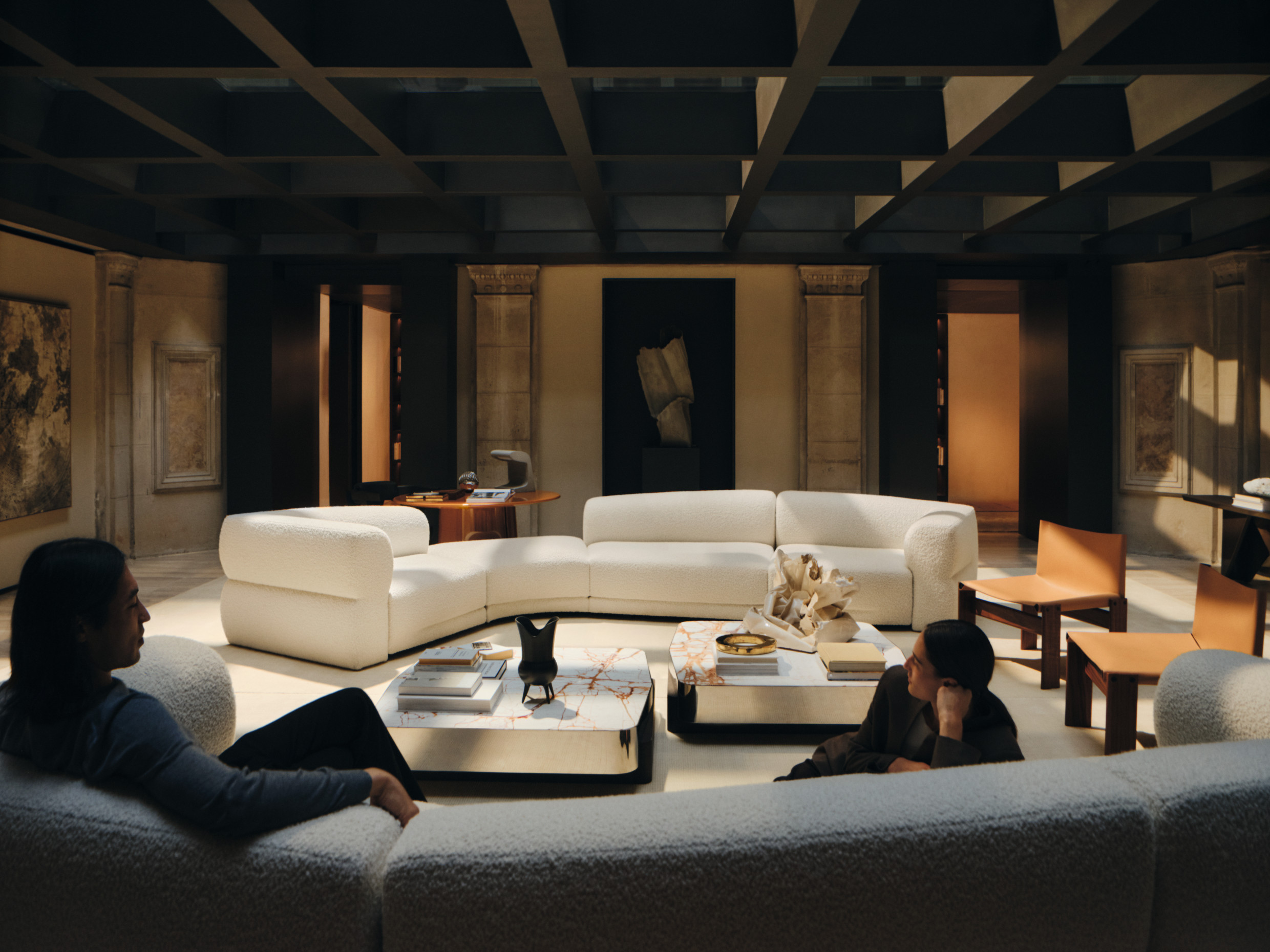 Images taken from Molteni&C's Geometry of Life campaign, directed by Luca Werner. Images: Maxime Tétard
Geometry of Life
Watch the short movie in two chapters directed by Luca Werner and shot at Palazzo Molteni.
watch nowMain Video: Molteni&C's Geometry of Life campaign, directed by Luca Werner.
A century of sound, design, and memory explored through an elegant reflection on acoustics as an emotional and architectural experience, in the enduring spirit of Bang & Olufsen.
The Future Perfect’s David Alhadeff and ceramicist Carmen D’Apollonio guide us through the cultural hotspots of the city they call home: Los Angeles.
Porosity between the exterior and interior space defines contemporary luxury in a series of new developments that open up buildings to the great outdoors.


