browse by topics


Meeting Michele De Lucchi is always a source of comfort. Whether for an hour or just a mere moment, time spent with him opens onto another dimension – intimate and reflective – where thoughts and emotions are freely shared. It happens in his cedar-scented studio in Milan, or at the Chioso, his atelier housed in a former chicken farm: a rural retreat beside the iconic Rocca di Angera, suspended above Lake Maggiore. It was here, on a warm summer’s day, that Il conforto dell’architetto – The Architect’s Relief, an exhibition for Palazzo Molteni in collaboration with Galleria Jannone, took shape.
“I’m the last chicken left,” Michele jokes, as he leads us into the woodworking shop beneath the portico, where he shapes wooden models with a chainsaw – objects that later become sculptures. From here, we cross a broad green lawn dominated by an old tree, and finally enter the archive: crates filled with prototypes, sketches and photographs of his projects for Olivetti and for those of fellow designers such as Andrea Branzi. The journey ends in the gallery atelier, where works on paper, watercolours, stitched wood and small model houses are displayed. This is where De Lucchi seeks inspiration for architecture, working through visions, attempts and missteps, answerable only to himself, with no clients in sight. Here, he finds comfort in the contradictions of his profession.
In his homonymous book Il conforto dell’architetto, written with psycho-socioanalyst Giuseppe Varchetta, Michele reflects on the pain architects feel when they see a piece of land burdened by a new building.
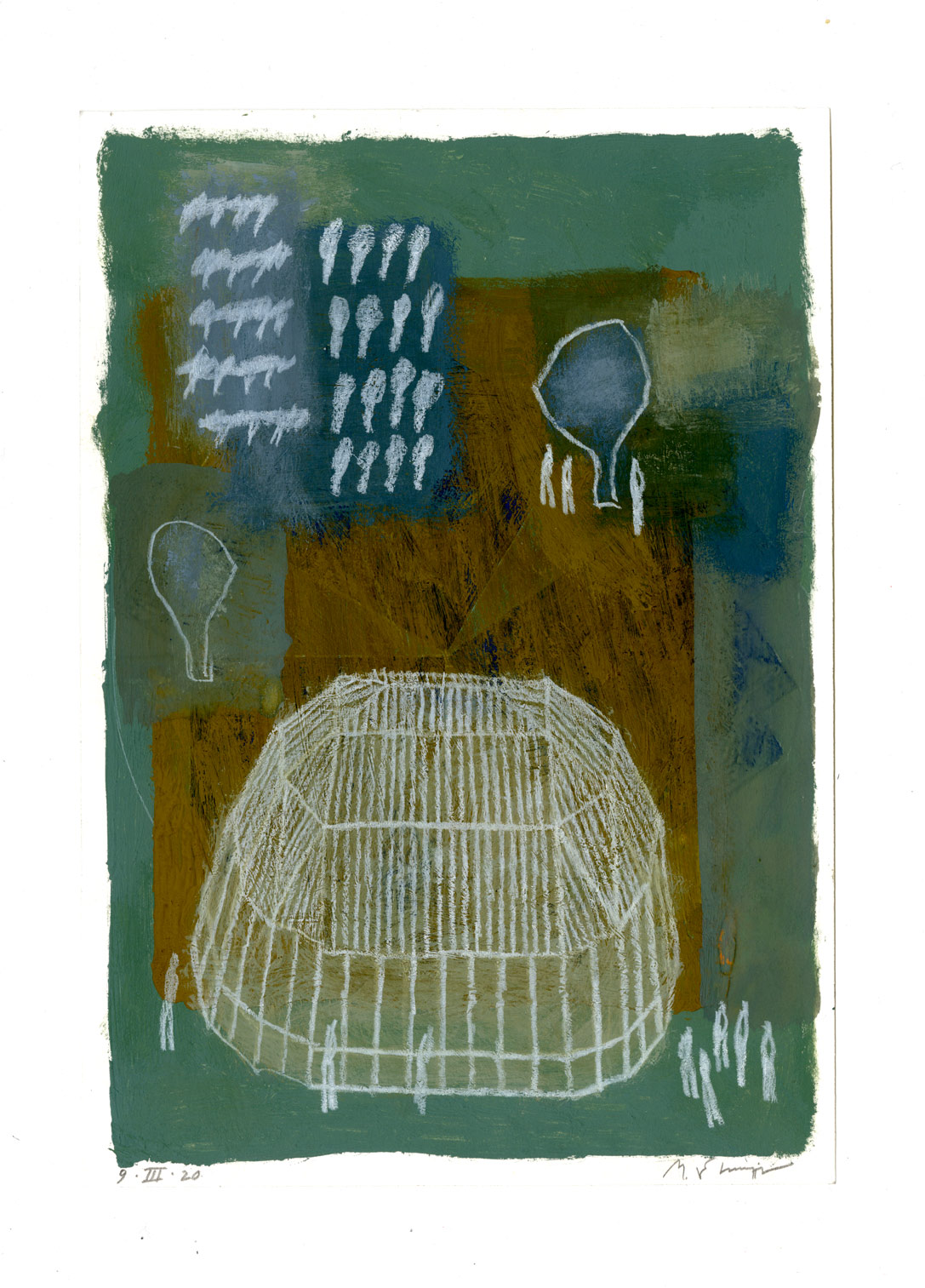 Cultivation Station, a 2020 drawing made from tempera and white pencil on paper. Image: Michele De Lucchi
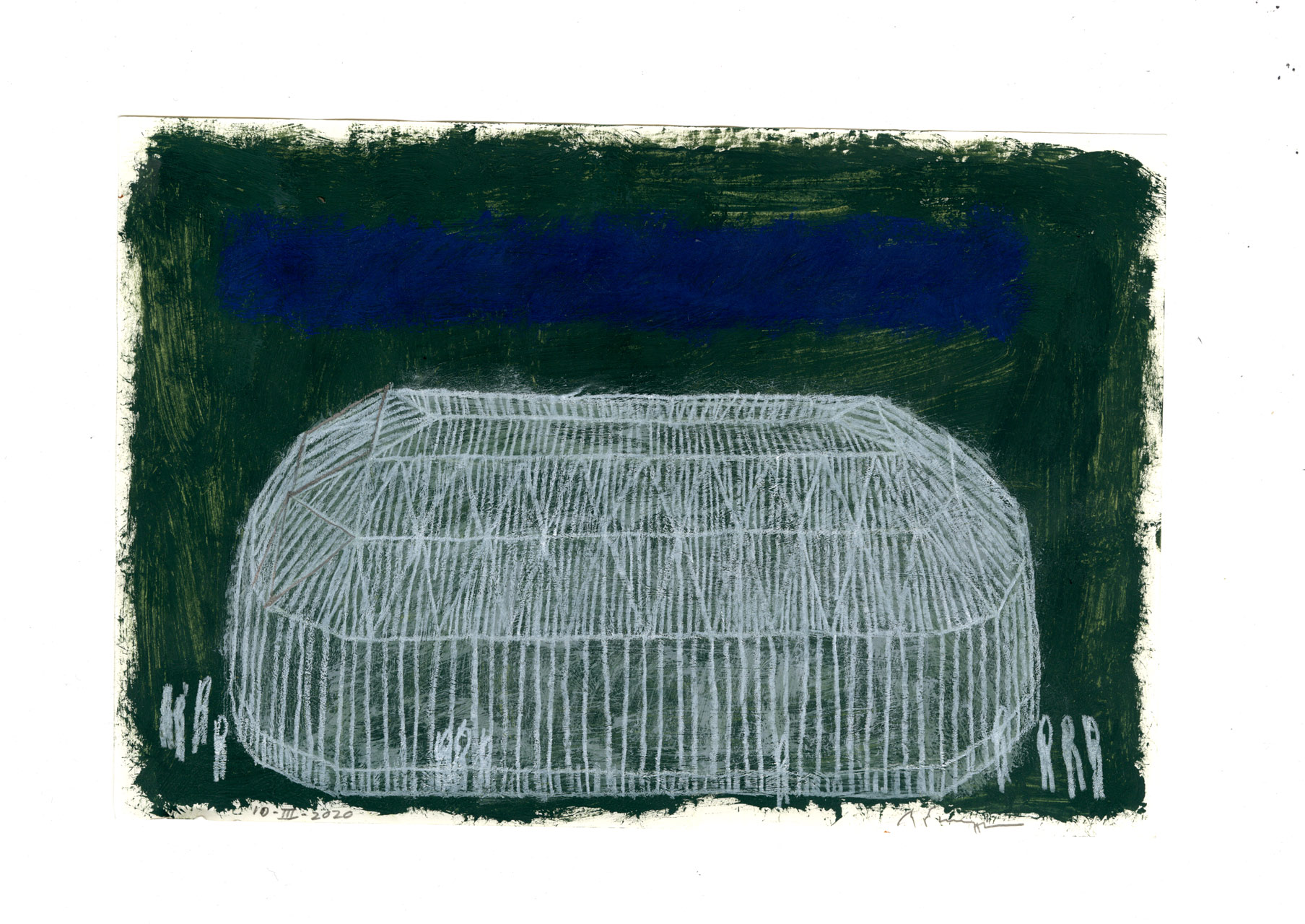 Cultivation Station, a 2020 drawing made from tempera and white pencil on paper. Image: Michele De Lucchi
“As architects,” he writes, “we are living through a paradox. To do our job, we keep building, occupying space and land, perpetuating a practice that today feels increasingly invasive toward nature. And nature seems to be rebelling against the work of humans, sending signals through climate change and extreme weather events. Yet, someone has to shape our living environment, an environment essential to our expectations and ambitions, because – whether we like it or not – we are creatures that are constantly changing.”
Back in the Milan studio of AMDL Circle, a collective of designers united by the aim of improving the quality of the environment in which we live, Michele shows us how he creates handmade diaries from blank notebooks, carefully drawing lines and writing dates. “It’s a Zen exercise,” he explains, “one that helps you think about the passage of time, because every line is a day.” And so, as we reflect on the passage of time toward April 14, the opening date of the exhibition, we begin to think together about the works to be displayed and their meaning.
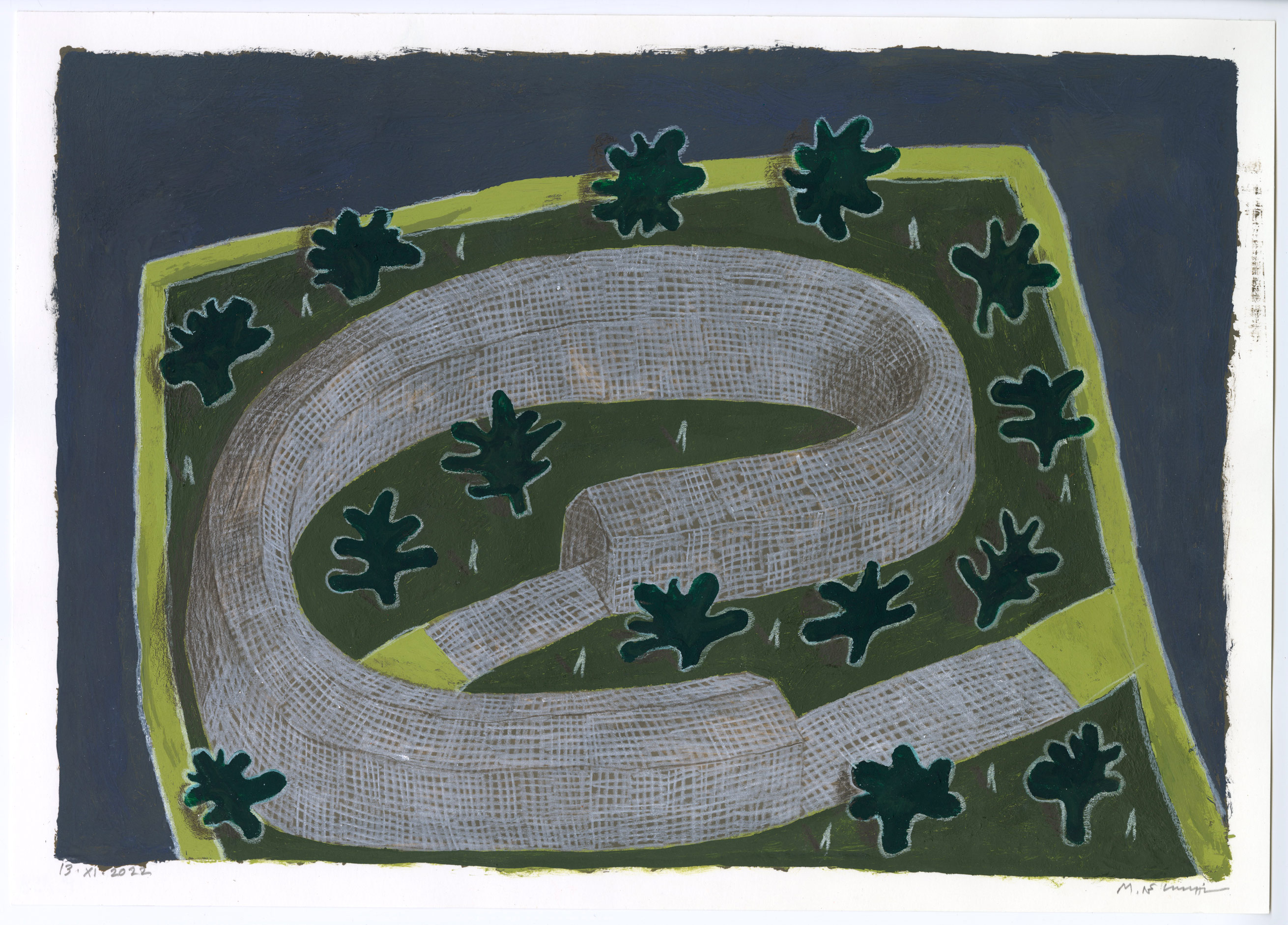 Architettura ideografica, a 2022 drawing made from tempera and white pencil on paper. Image: Michele De Lucchi
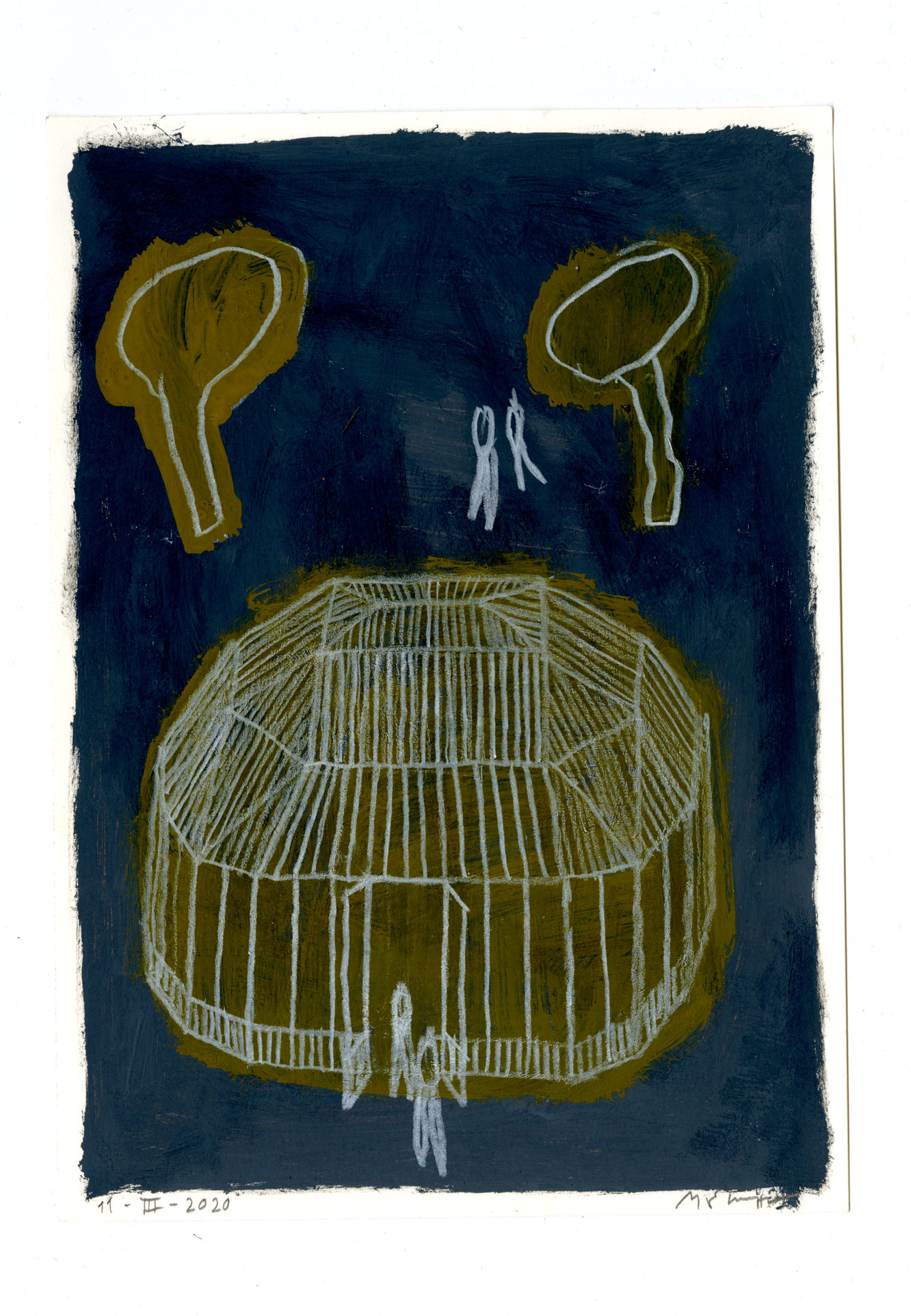 Cultivation Station, a 2020 drawing made from tempera and white pencil on paper. Image: Michele De Lucchi
“The most interesting question,” he says, “is asking ourselves what is the job of an architect. Did you know that in Florence there is still an academy called the Accademia delle Arti del Disegno [Academy of the Arts of Drawing]? Architecture was once considered the discipline that made the most accomplished use of the arts of drawing.”
It was in Florence that Michele graduated in 1975 and first encountered Radical Architecture, later becoming a key figure in the Alchimia and Memphis movements.
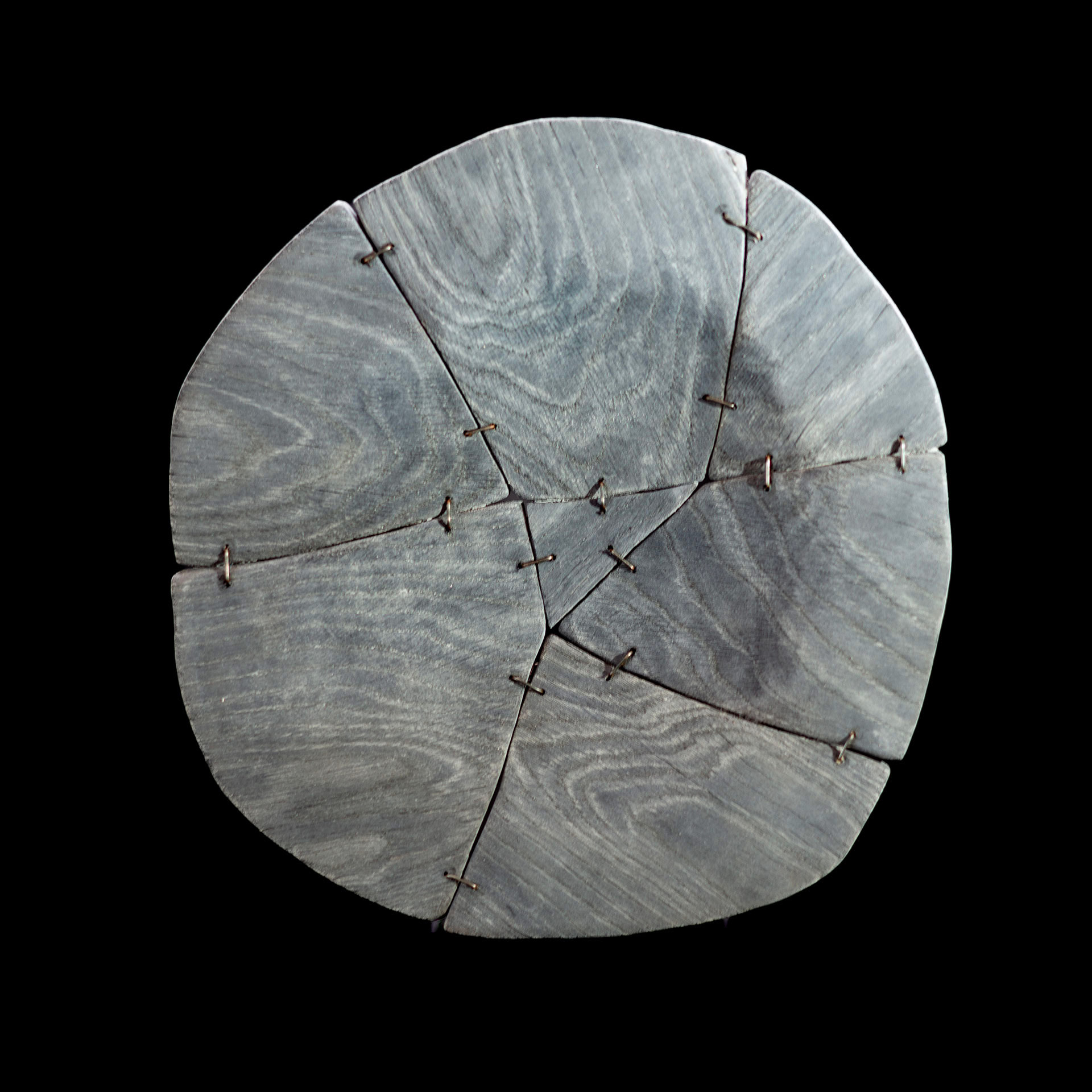 Legno cucito 475, a hand-sewn wooden sculpture made in 2020. Image: Michele De Lucchi
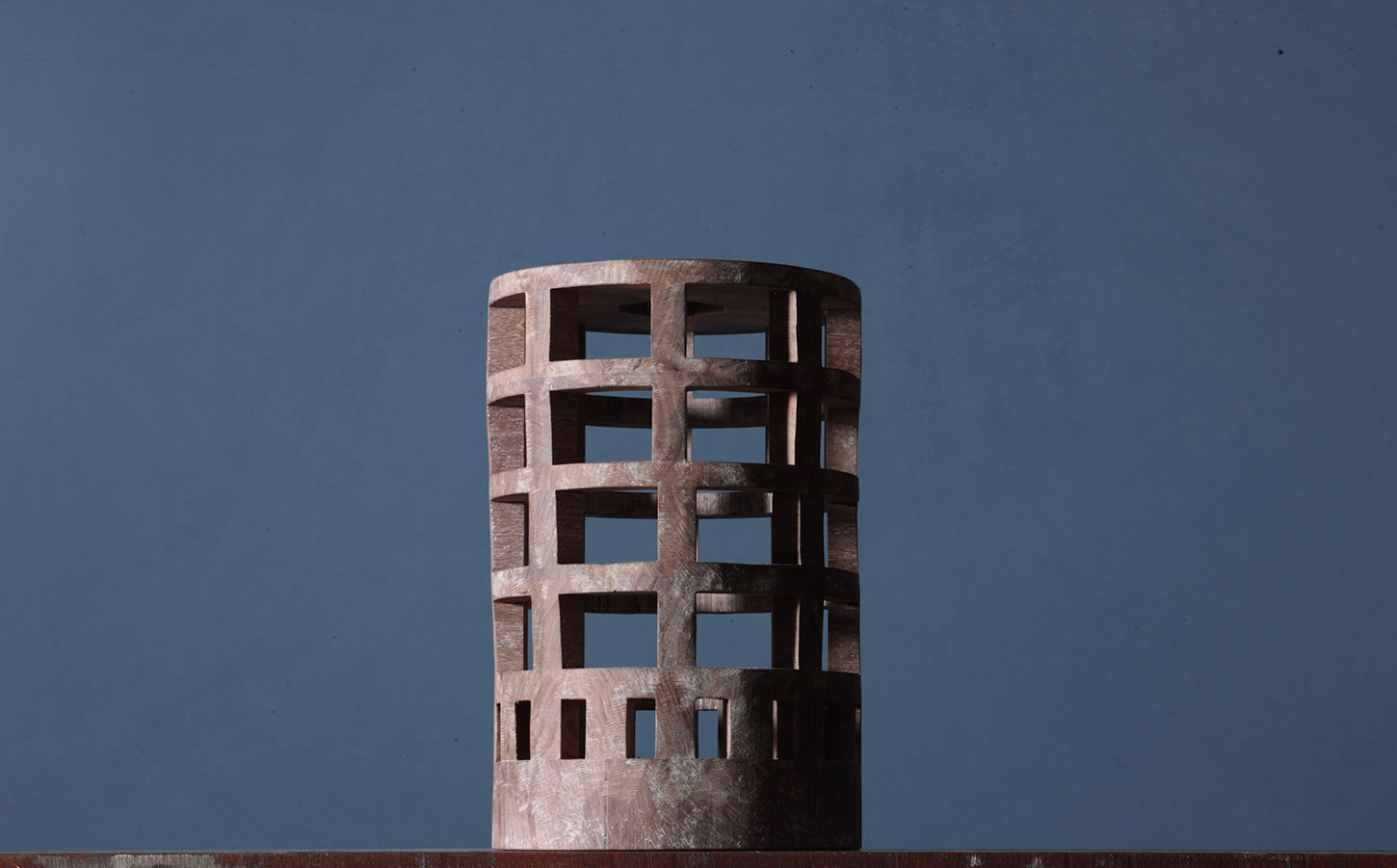 Edificio vuoto 323, a walnut sculpture of an empty building made in 2013. Image: Michele De Lucchi
“Ever since university,” he recalls, “I’ve been asking myself what is the role of the architect in society. In the era of Radical Architecture, for the first time, the idea of the architect as merely a technician and builder was challenged, opening up a much broader, more political and open perspective. Its job was to connect with society and transform it. Thus, at the time, architects were said not to design spaces, but to design behaviours. I often think back to that period. With Ettore Sottsass, we explored the relationship between architecture and art, between the technical-scientific-engineering world and the cultural-artistic one. And here I am, 50 years later, still asking myself: what does an architect actually do? What is the true contribution that an architect makes?”
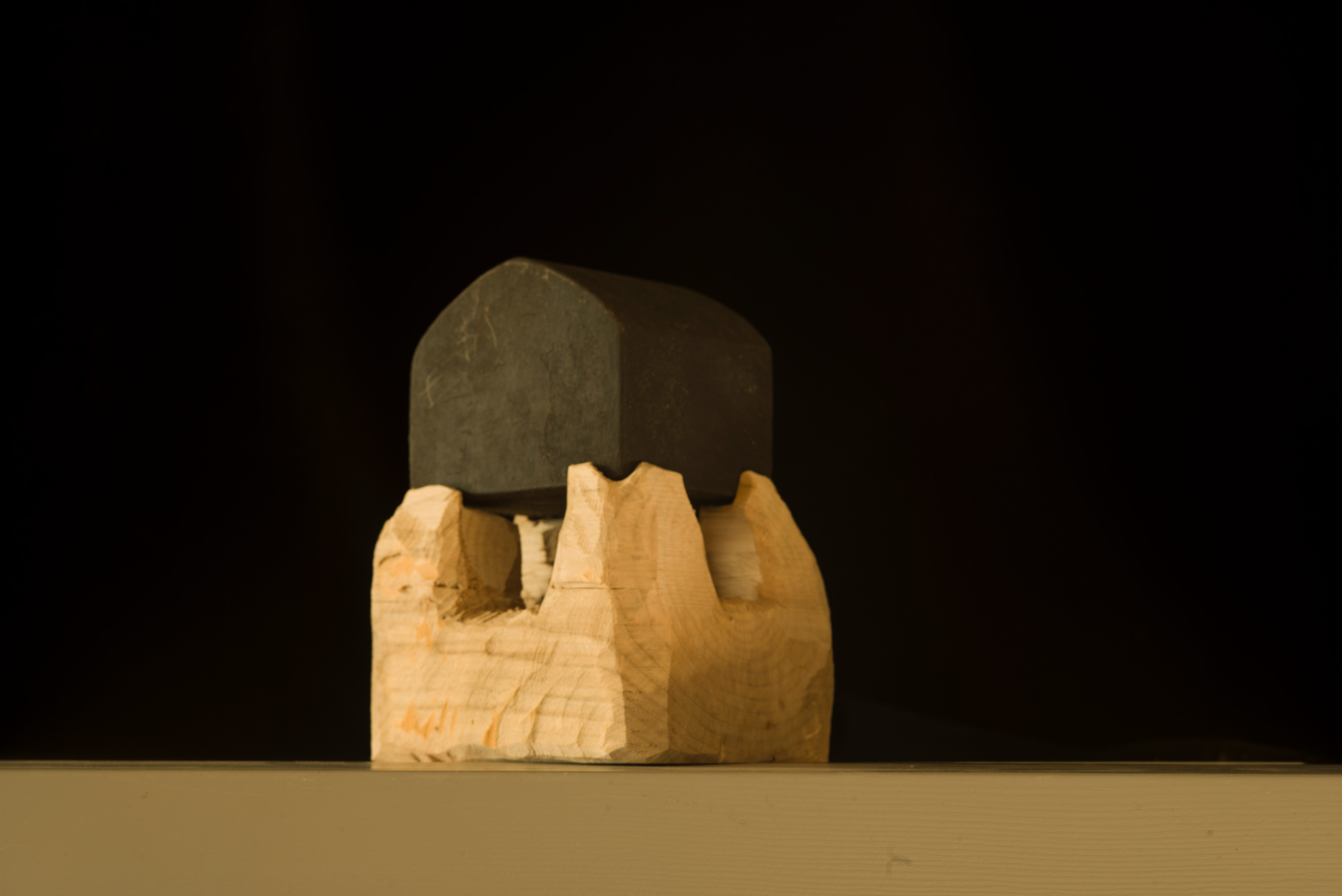 Casetta 490, a birch and walnut sculpture of a small house made in 2023. A previously unpublished work. Image: Michele De Lucchi
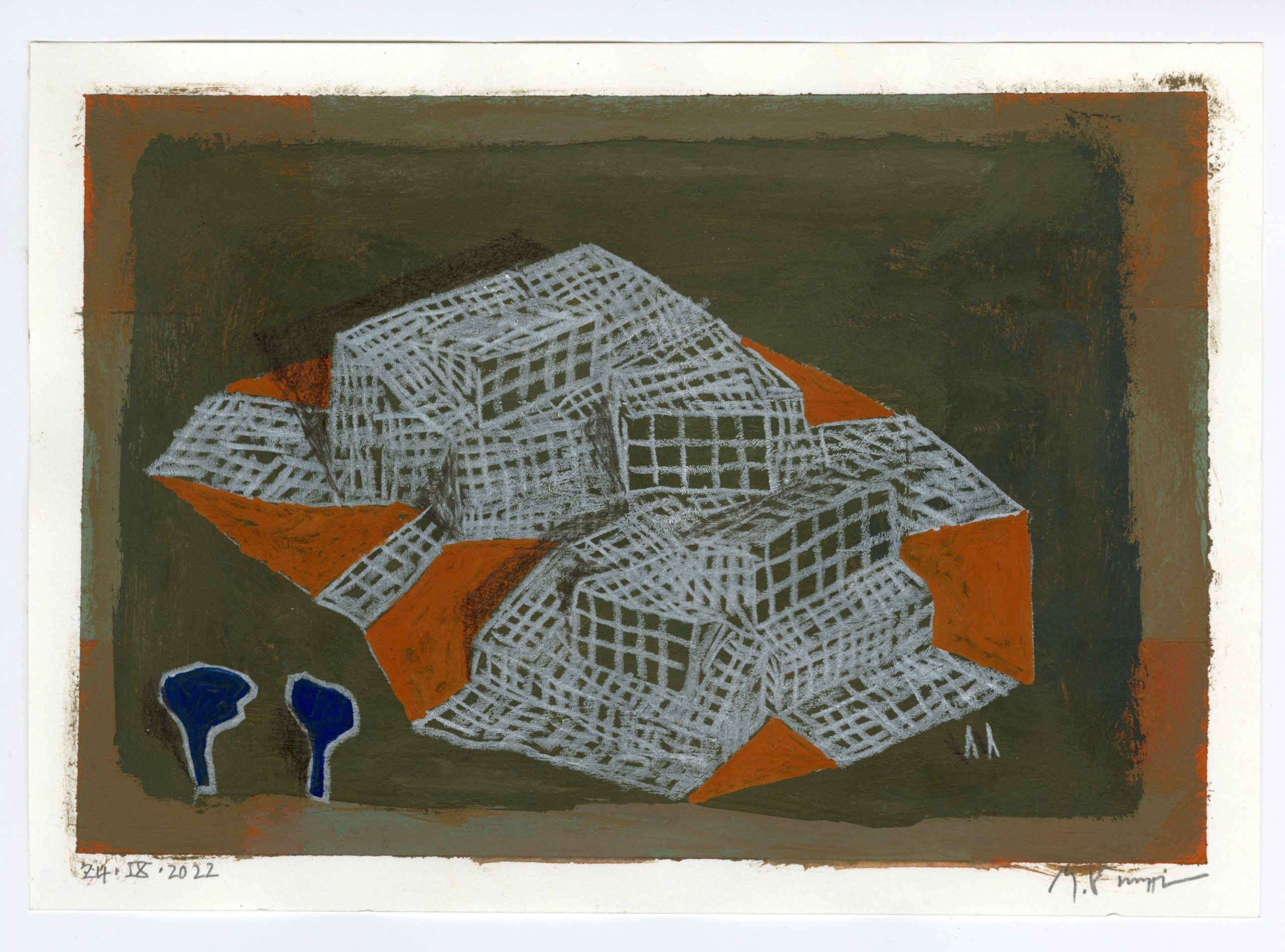
These questions give rise to the works on display in the exhibition, around 40 in total: sculptures such as Sasso, Edificio vuoto, Pagliaio, Legno Cucito and Casetta; tempera paintings on paper including Cultivation Station, Architettura ideografica and Casa con Abbaini; stitched oak pieces and drawn picture frames. They are reflections on the materials, personal gestures and artefacts that follow the logic of thought and storytelling.
“The stitched-wood architectures bound with iron wire,” he explains, “carry an imperfect aesthetic that reminds me of ancient buildings, made with artisanal techniques that always express the joy of making.”
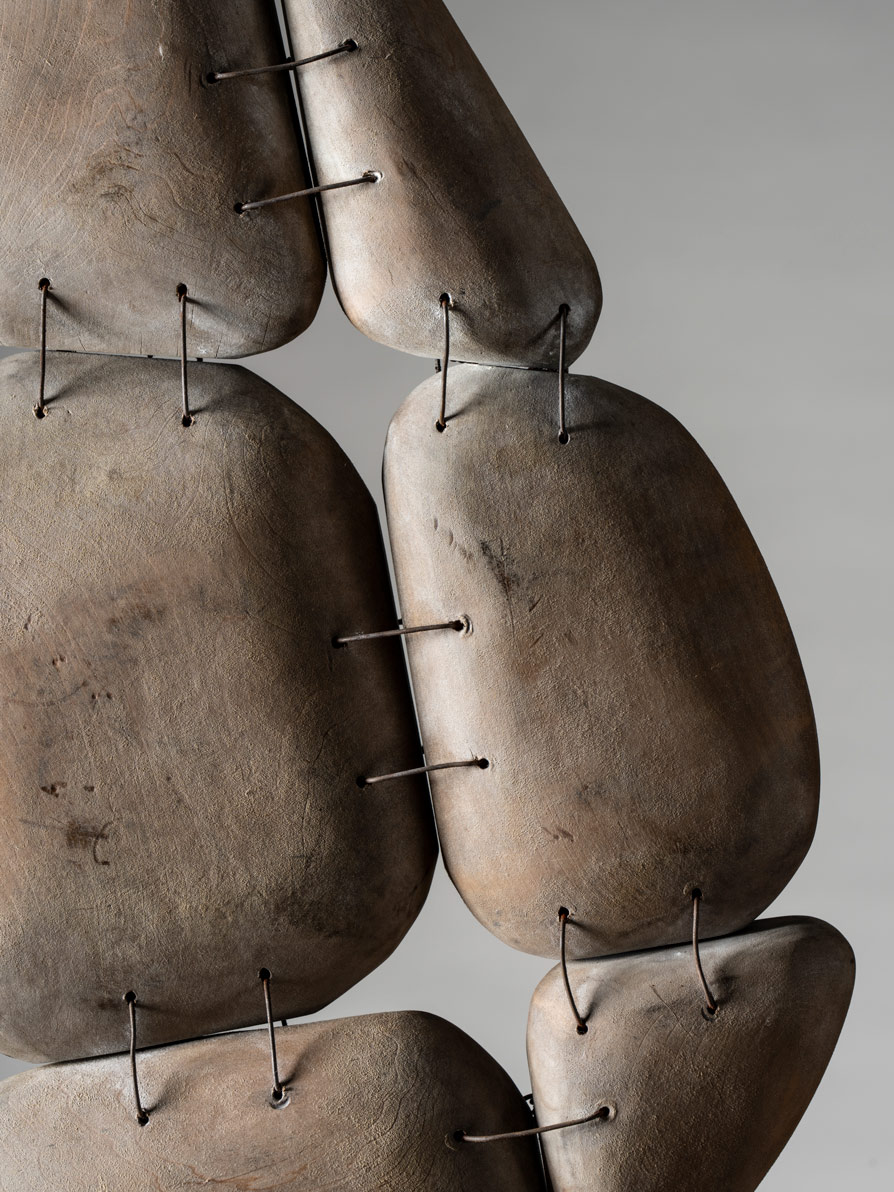 Legno cucito 456, a hand-sewn wooden sculpture made from Sapele mahogany in 2020. Image: Luca Rotondo
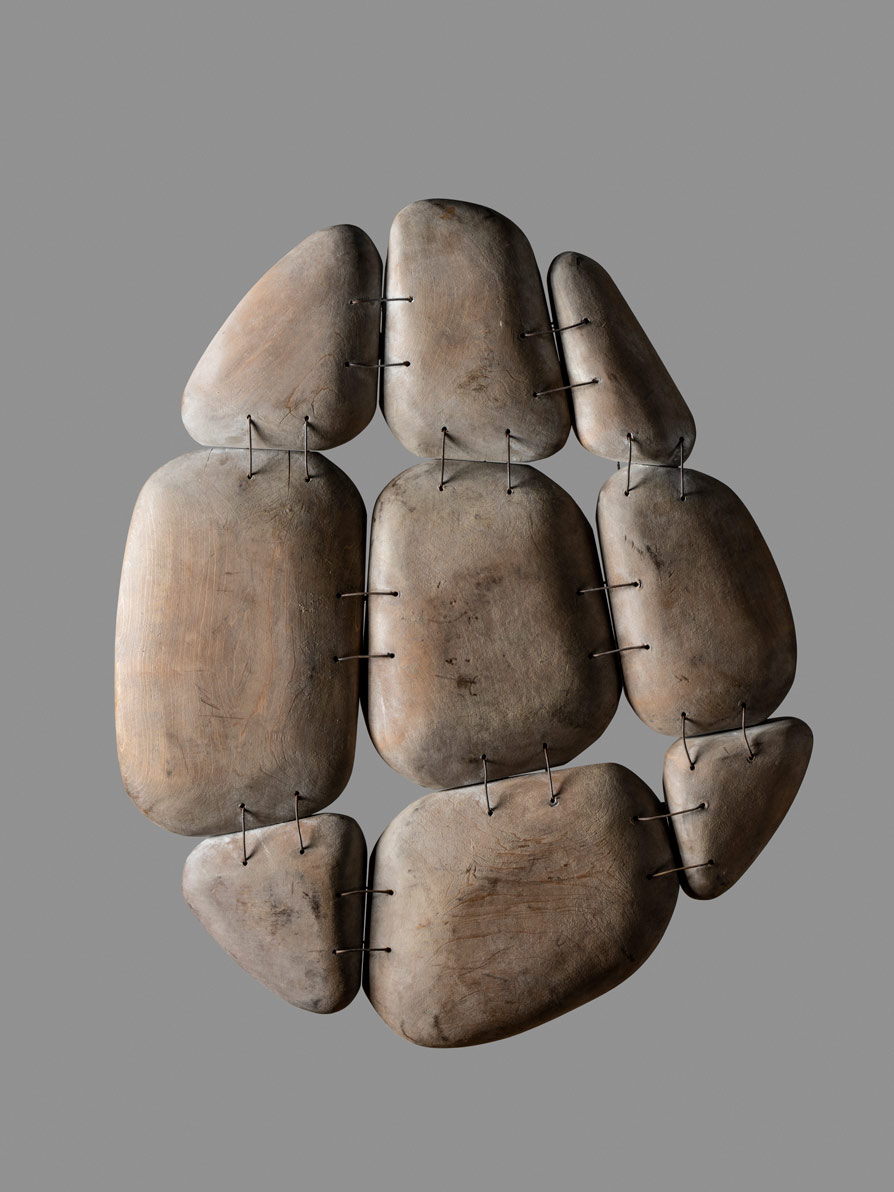 Legno cucito 456, a hand-sewn wooden sculpture made from Sapele mahogany in 2020. Image: Luca Rotondo
“The architect’s job,” Michele continues, “is precisely to analyse society, to understand how the world and new generations are evolving, what are their dreams and desires. In the end, we forget about the human environment. It was Vitruvius who said: How can you design a roof if you don’t know which part of the sky you are going to hide? You don’t build a roof just to protect yourself from rain, snow, bad weather, or sun; you build it because you are giving up something in your relationship with the universe. My relationship with art comes from this as well. The fundamental difference between artists, architects, and designers, is that an artist works in the absence of judges – working on themselves, on their perceptions, on their meaning of things.”
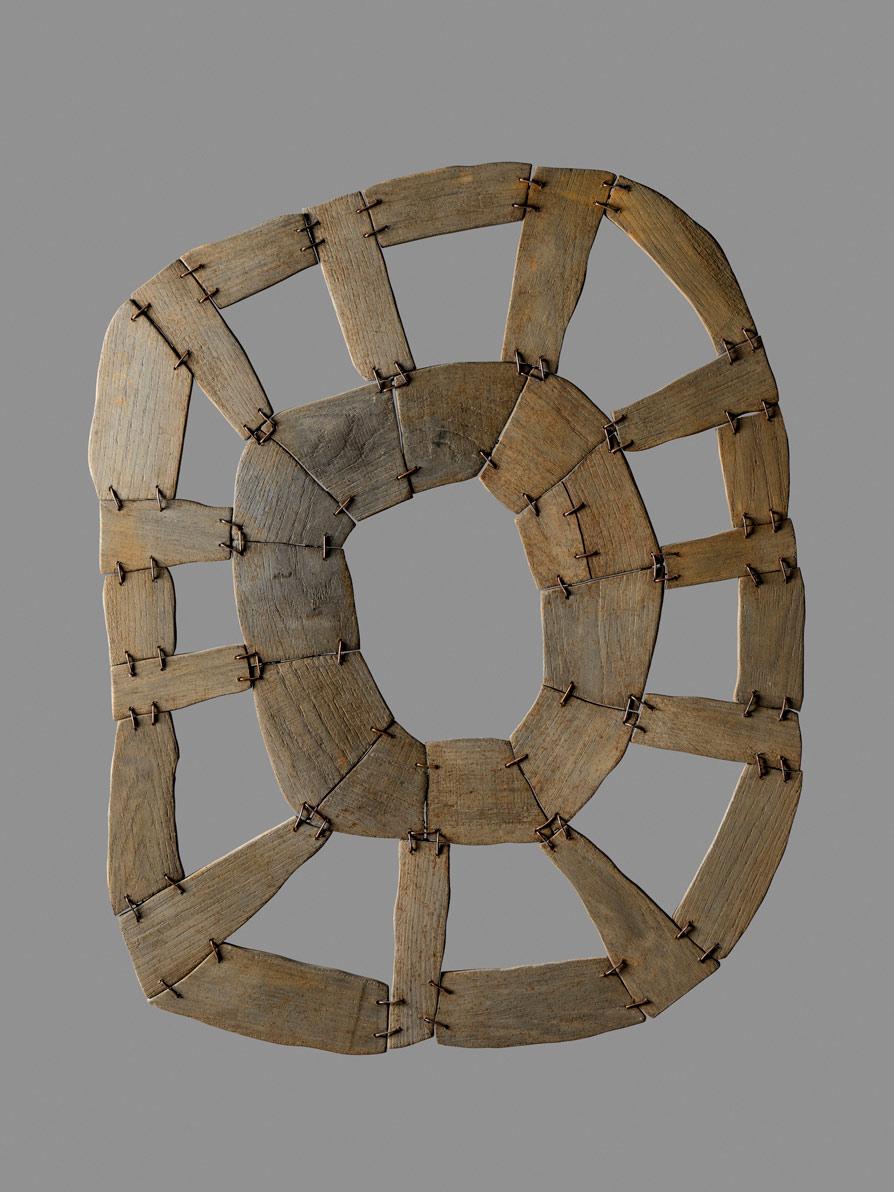 Legno cucito 456, a hand-sewn wooden sculpture made from Sapele mahogany in 2020. Image: Luca Rotondo
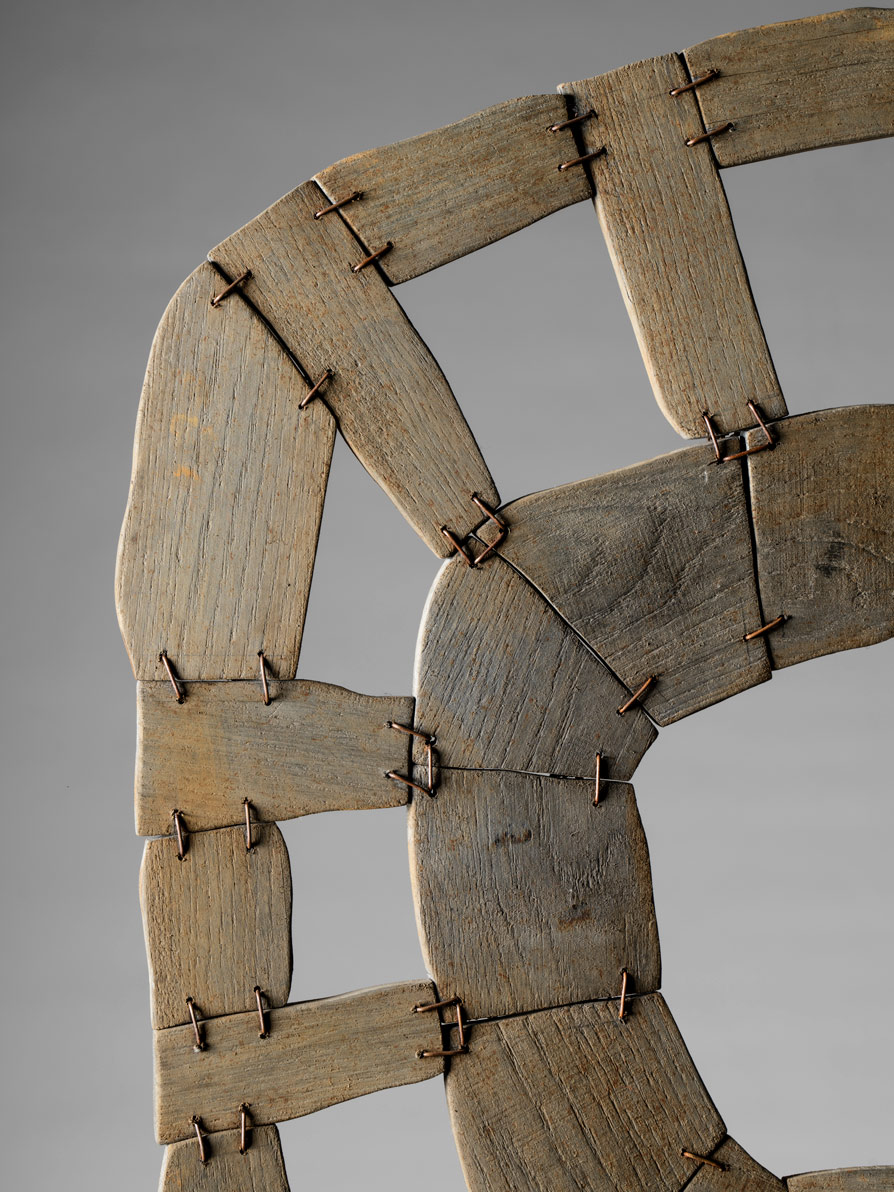 Legno cucito 456, a hand-sewn wooden sculpture made from Sapele mahogany in 2020. Image: Luca Rotondo
“A designer works with the market as its judge; if what they design doesn’t sell, they are no longer a designer,” Michele explains. “An architect, on the other hand, is judged not only by oneself, by the marketplace, by the building contractors or the building’s inhabitants, but by everyone – even those who don’t care about the building at all. Often, they are the most important judges, because they suddenly find themselves facing a massive intrusion that they did not want and did not need. The beauty of these works that I’ve made – even as an artist, a designer, and an architect – is that I had the liberty to choose them myself. They let you choose who you want to engage with. When you need to work on yourself, free from the prejudices imposed by the environment you live in, that is art. The stitched wood, the small paintings, the watercolours, the stained-glass drawings.”
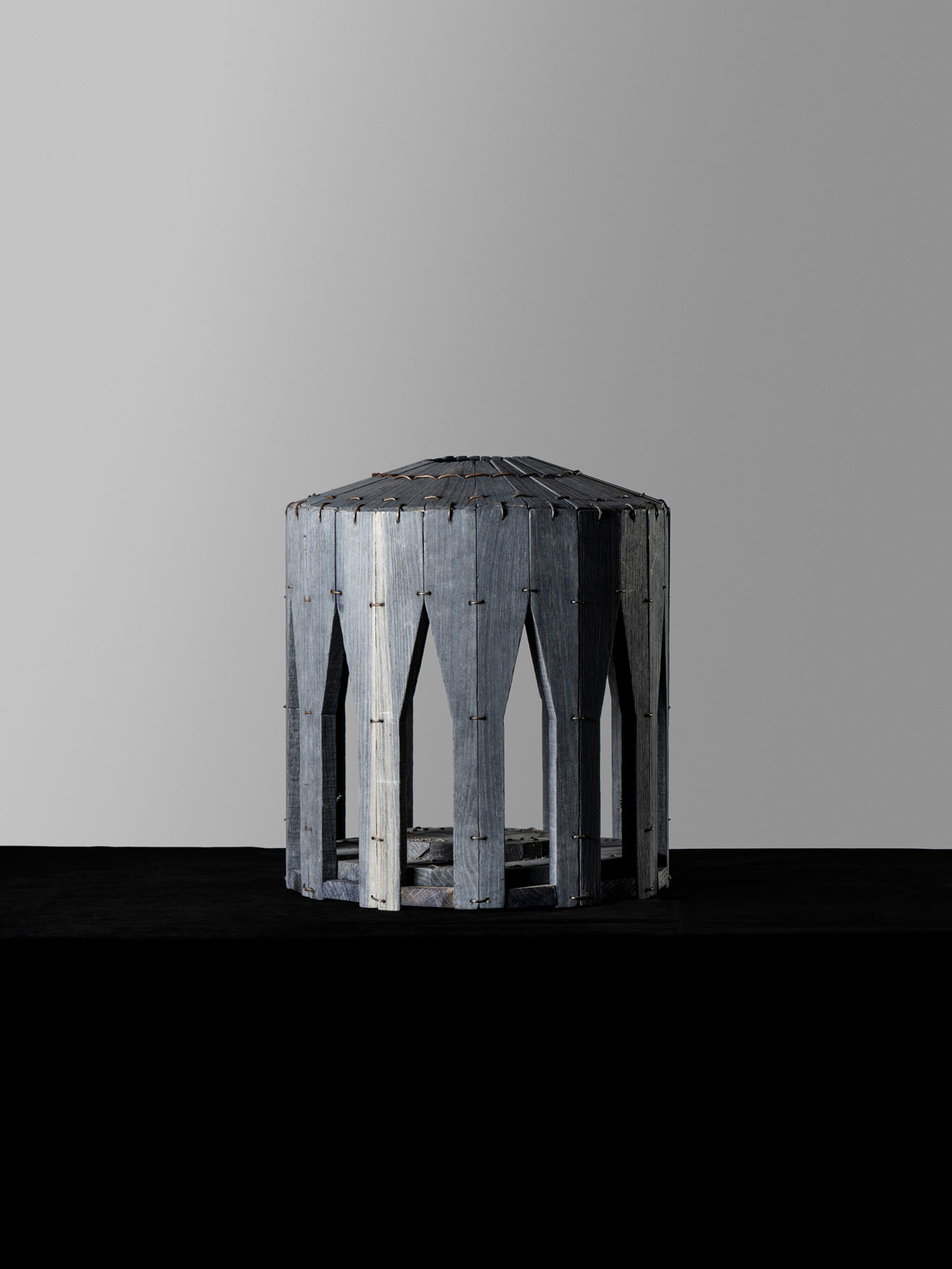 Legno cucito 456, a hand-sewn wooden sculpture made in 2021. Image: Luca Rotondo
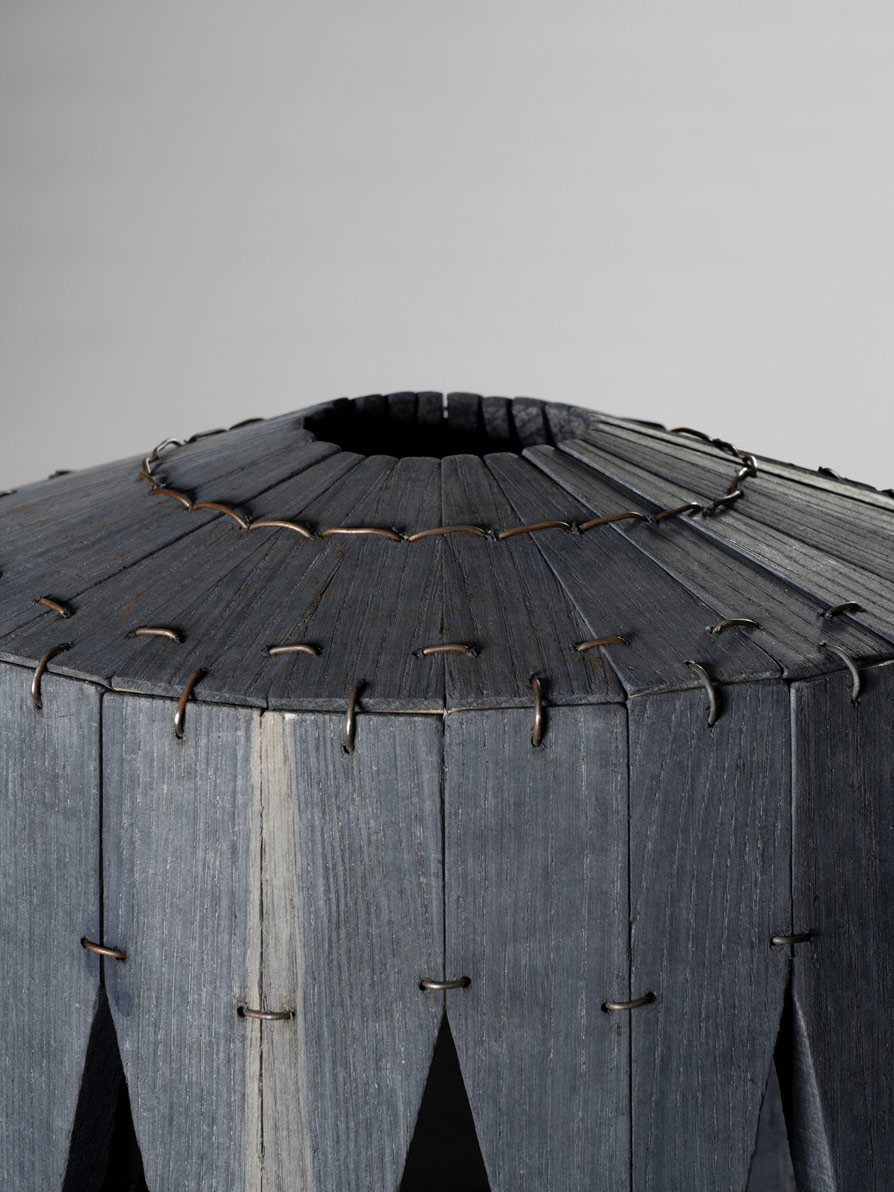 Legno cucito 456, a hand-sewn wooden sculpture made in 2021. Image: Luca Rotondo
Michele smiles. He meditates, thinks, designs, and travels, spreading the virus of radical thought, the thought of “who knows what my grandfather would have done?”, and a measure of comfort for those who will inhabit the spaces first imagined on paper. Line upon line, day after day, a new mark traces the passage of time – unrelenting and poetic.
Il conforto dell’architetto – The Architect’s Relief
Works by Michele De Lucchi
in collaboration with Galleria Jannone
Galleria di Palazzo Molteni, Via Manzoni 9, Milan
From April 14, 2026
Main Image: Casa con abbaini, a 2022 drawing of a house with dormer windows made from tempera and white pencil on paper.
Image credit: Michele De Lucchi
A century of sound, design, and memory explored through an elegant reflection on acoustics as an emotional and architectural experience, in the enduring spirit of Bang & Olufsen.
The Future Perfect’s David Alhadeff and ceramicist Carmen D’Apollonio guide us through the cultural hotspots of the city they call home: Los Angeles.
Porosity between the exterior and interior space defines contemporary luxury in a series of new developments that open up buildings to the great outdoors.


